Miami Wire - News, Business & Entertainment

BREAKING NEWS
The Redland: Miami's Working Agricultural Belt and Why It's Still Disappearing

The Redland: Miami’s Working Agricultural Belt and Why It’s Still Disappearing

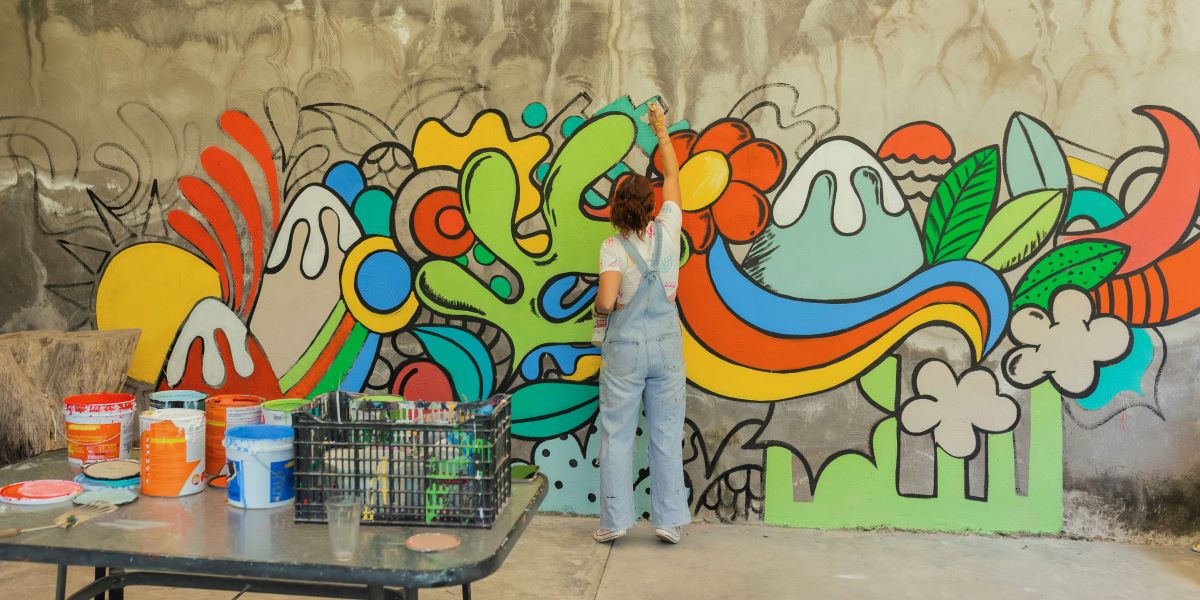
The Redland is the loose stretch of farmland in South Miami-Dade, running roughly along Krome Avenue and south of Kendall-Tamiami Executive Airport, where Redland farming has operated on rock-hard oolitic limestone soil for generations. It survives because a handful of growers, packing houses, and fruit stands refuse to sell out, even as subdivisions creep closer every year. That tension between agricultural tradition and land value is the story of the entire district. Key Takeaways The Redland sits in unincorporated South Miami-Dade near Homestead and Florida City, bounded roughly by Krome Avenue and the county’s Urban Development Boundary. Hurricane Andrew in 1992 destroyed much of the district’s tree canopy and pushed many growers toward smaller operations or agritourism. Limestone quarrying competes
PAMM John Baldessari Retrospective Exhibition Opens August 2026

PAMM Opens John Baldessari Retrospective and Video Art Survey on August 20, Anchoring a Landmark Exhibition Season in Downtown Miami

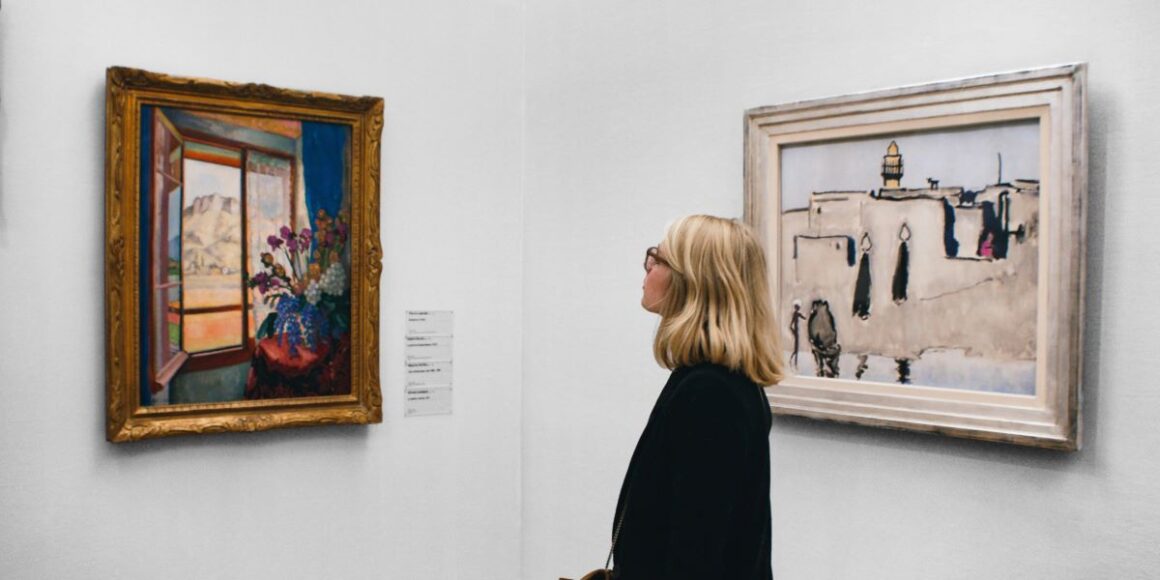
Pérez Art Museum Miami will open two exhibitions on August 20 that expand the museum’s 2026 programming in distinct directions: “John Baldessari: The End of the Line,” a 50-year retrospective drawn entirely from the collection of Miami design leader Craig Robins, and a new iteration of “Fragments of Time: Selections from PAMM’s Collection,” a video-art survey exploring memory, loss, and the passage of time through works from the museum’s permanent holdings. Key Takeaways “John Baldessari: The End of the Line” opens August 20 and runs through July 23, 2027, presenting five decades of the late conceptual artist’s work from the private collection of Craig Robins, one of Baldessari’s closest friends and collectors. “Fragments of Time: Selections from PAMM’s Collection” also

Florida No Income Tax What Miami Residents Pay

How Florida’s No Income Tax Policy Works: What Miami Residents Actually Pay

Florida does not impose a personal income tax on its residents, and the state constitution prohibits one from being enacted without a constitutional amendment approved by at least 60 percent of voters. That prohibition has been in place since 1924 and was reinforced by a 2018 amendment that requires a two-thirds legislative supermajority to impose any new state taxes or fees. For Miami residents, the absence of a state income tax creates real savings compared to peers in New York, California, or Illinois — but it does not mean Florida is a low-tax state. The money comes from somewhere, and understanding where reveals a tax structure that hits consumption, property ownership, and real estate transactions harder than most newcomers expect.