The Coconut Grove Arts Festival is returning to Miami for its 62nd year, bringing thousands of visitors, hundreds of artists, and a wide range of performances to the waterfront neighborhood over Presidents’ Day weekend. For more than six decades, the outdoor event has stood as one of the nation’s most recognized cultural gatherings, blending visual art, music, food, and community celebration into a three-day experience along Biscayne Bay.
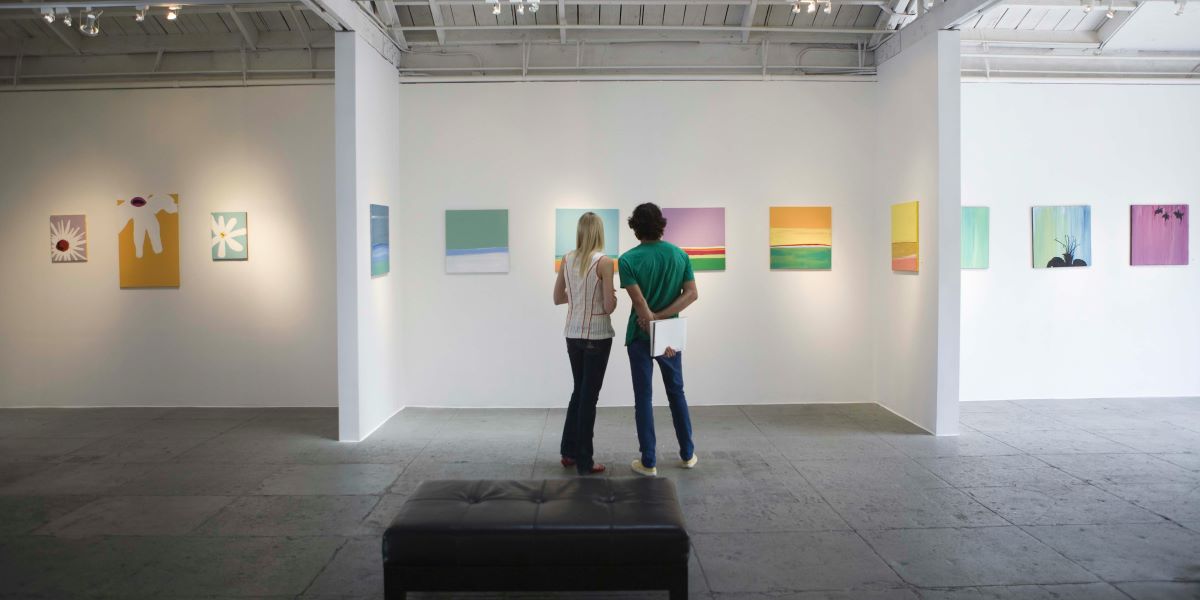
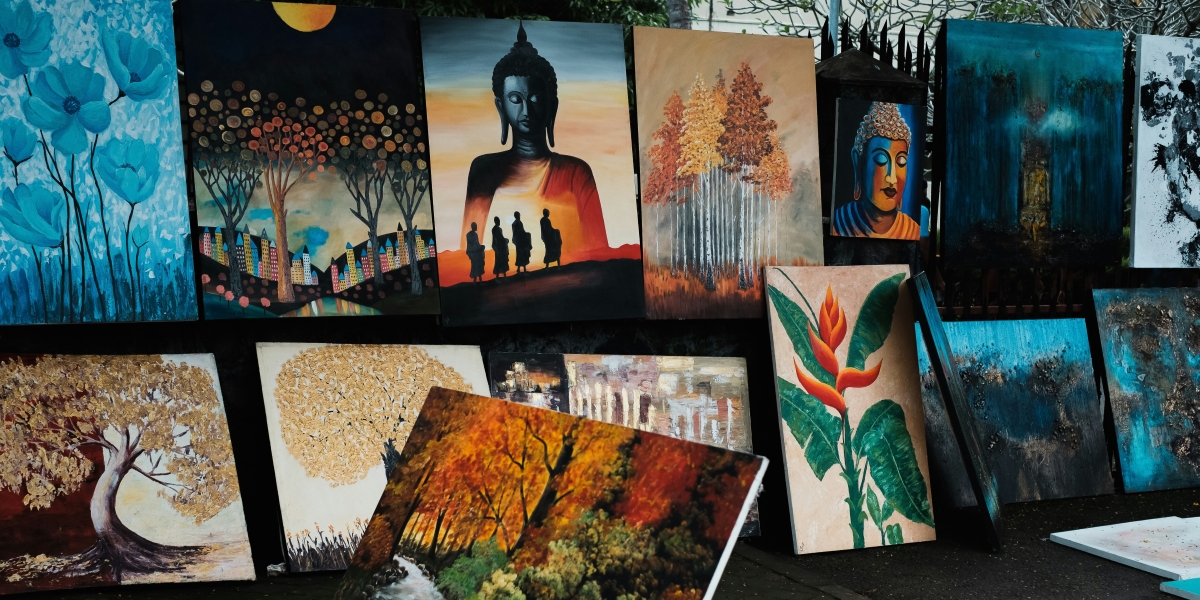
Organizers describe the festival as a meeting point for creativity and public life. The event welcomes art lovers, families, and visitors to explore works from more than 275 juried artists across multiple mediums, including painting, sculpture, photography, and mixed media. The scale of participation reflects the festival’s reputation as a competitive showcase. Each year, artists from across the United States and beyond apply for a limited number of exhibition spaces, reinforcing the event’s status within the national arts circuit.
Festival leaders say the quality of work continues to rise. Executive Director Camille Marchese explained the strict selection process, noting that entries are carefully scored and only top-rated submissions are accepted. “Nobody that was below a 7.2 was in this show. It’s outstanding art,” she said, emphasizing the high standard expected from participating artists.
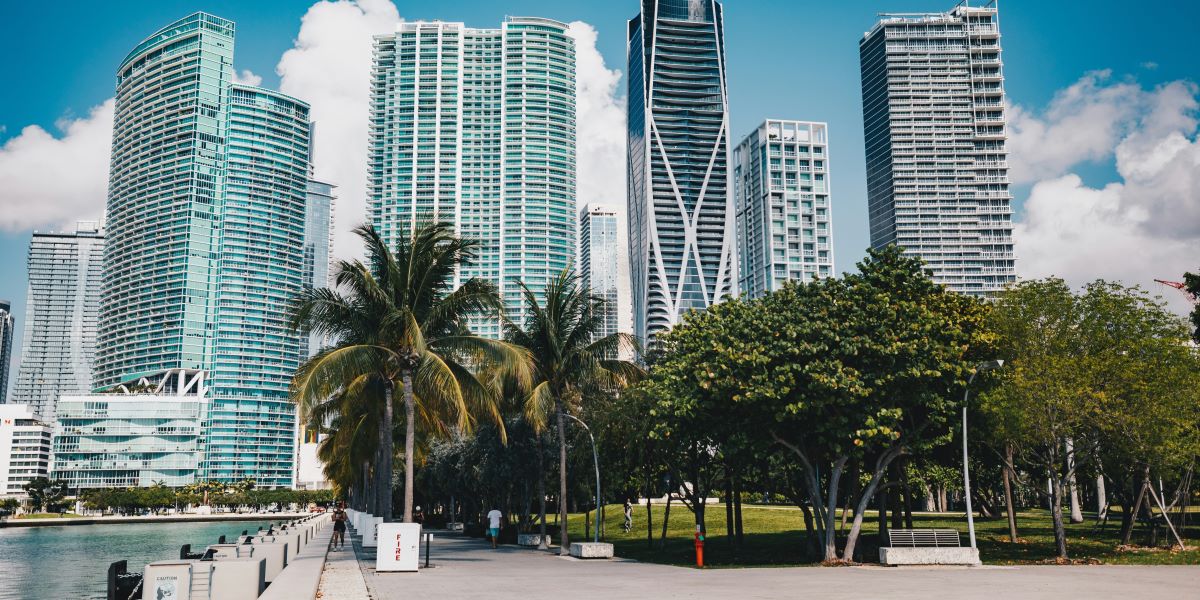
Beyond the art itself, the festival transforms Coconut Grove into a dense cultural marketplace. Streets surrounding Regatta Park and the Dinner Key Marina fill with live entertainment, culinary demonstrations, interactive family zones, and public art activities such as mural painting and music performances. This mix of experiences helps explain why the festival continues to draw tens of thousands of attendees and remains one of the busiest weekends of the year for the neighborhood’s businesses and restaurants.
Local leaders and artists often frame the festival as part of Miami’s long cultural history. The event began in 1963 as a small publicity effort connected to the Coconut Grove Playhouse, but it quickly evolved into a yearly tradition that shaped the artistic identity of the area. Over time, it grew into a major public gathering capable of attracting large audiences and national attention while still maintaining ties to the surrounding community.
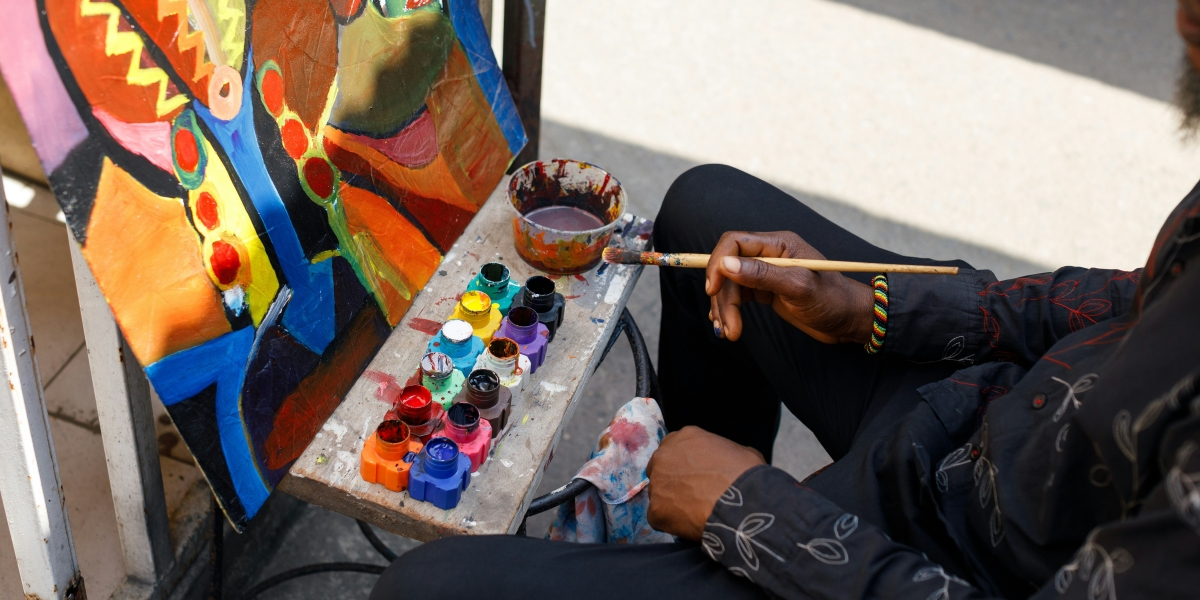
Artists themselves describe the emotional connection to the festival. Kenneth Kudulis, the designer of the official 2026 poster, said representing the event carried special meaning. “To represent a show that’s as prestigious as the Coconut Grove Arts Festival is awesome. It’s an honor,” he explained, recalling how the neighborhood’s peacocks and Florida’s citrus heritage inspired his artwork. His comments reflect how the festival blends professional recognition with local symbolism.
Community identity remains central to the event’s mission. The nonprofit organization behind the festival supports scholarships, educational outreach, and emerging-artist programs throughout Miami-Dade County, extending the impact far beyond the three-day celebration. These year-round initiatives position the festival not only as entertainment but also as cultural infrastructure that nurtures future generations of artists.
Economic influence is another defining feature. Large crowds increase demand for restaurants, retail shops, and hospitality services across Coconut Grove, creating a seasonal boost during the winter tourism period. Organizers note that businesses prepare for heavy foot traffic as visitors arrive to explore the open-air gallery and the surrounding neighborhood. This connection between culture and commerce highlights how public art events contribute to Miami’s broader creative economy.
The festival’s longevity is especially notable in a rapidly changing city. Cultural institutions in Miami often struggle to endure, yet the Coconut Grove Arts Festival has continued to evolve, recover from disruptions, and attract growing audiences. One producer described the atmosphere during a recent anniversary celebration by saying, “The streets were jam packed with people, and there was just this feeling in the air.” Such moments illustrate the emotional energy that keeps the tradition alive.
At the same time, organizers continue refining the experience to remain relevant. New programming, interactive exhibits, and diverse artistic voices help the festival respond to changing audiences while preserving its historic character. The combination of innovation and continuity allows the event to function as both a heritage celebration and a contemporary cultural platform.
For Miami residents, the festival represents more than a weekend attraction. It reflects the city’s identity as a place where international creativity meets neighborhood life in public space. Families walk the waterfront, collectors search for new work, and performers animate the streets, creating a shared cultural environment that is accessible to a broad audience.
Looking ahead, the continued success of the Coconut Grove Arts Festival will likely depend on maintaining this balance between artistic excellence, community connection, and economic vitality. Strong attendance, competitive artist participation, and sustained nonprofit programming all suggest the event remains firmly rooted in Miami’s cultural landscape.
As the 62nd edition opens, the festival again positions Coconut Grove at the center of the city’s creative calendar. With world-class art, public celebration, and deep community ties, it demonstrates how a local tradition can grow into a national cultural landmark while still belonging to the neighborhood that created it.