
The Miami Police Department has announced a series of traffic diversions and street closures for the Ultra Music Festival, which runs from March 27 to March 29, 2026. To prepare for the massive crowds, the city will begin closing major sections of Biscayne Boulevard starting on Thursday, March 26. These changes are designed to keep the thousands of electronic music fans safe while managing the heavy traffic that often paralyzes downtown Miami during this annual cultural event.
Major Traffic and Street Changes
The most significant change for drivers involves Biscayne Boulevard, a main artery through the city. Starting at 9:00 PM on Thursday, March 26, the northbound lanes of the boulevard will be closed between Southeast First Street and Northeast Fourth Street. All northbound traffic will be rerouted to travel along Northeast Second Avenue.
Southbound lanes on Biscayne Boulevard will remain open but will be redirected at Northeast Sixth Street to ensure that traffic does not enter the festival zone at Bayfront Park. These diversions will stay in place until early Monday morning, March 30, when the festival equipment is cleared.
“Traffic is one of our biggest issues and concerns,” said Miami Police Chief Manny Morales. “We will have plenty of officers on hand to look at the interruptions and help people get where they need to go safely.”
Economic Impact and Tourism
Ultra Music Festival is not just a party; it is a major economic engine for South Florida. In 2025, city officials estimated that the three-day event brought approximately $200 million to the local economy. This money comes from hotel bookings, restaurants, transportation, and local shopping.
| Economic Factor | Estimated Impact (2026) |
| Total Economic Impact | $200+ Million |
| Direct Spending | $80 Million |
| Jobs Supported | 900+ |
| Daily Attendance | 55,000 |
With about 60% of attendees traveling from outside the Miami area, hotels in Downtown and Brickell are often fully booked months in advance. “It really benefits the local businesses the most, and that’s what makes it significant for the city,” noted Adam Russakoff, the festival’s director of business affairs.
The Debate Over Ultra’s Future
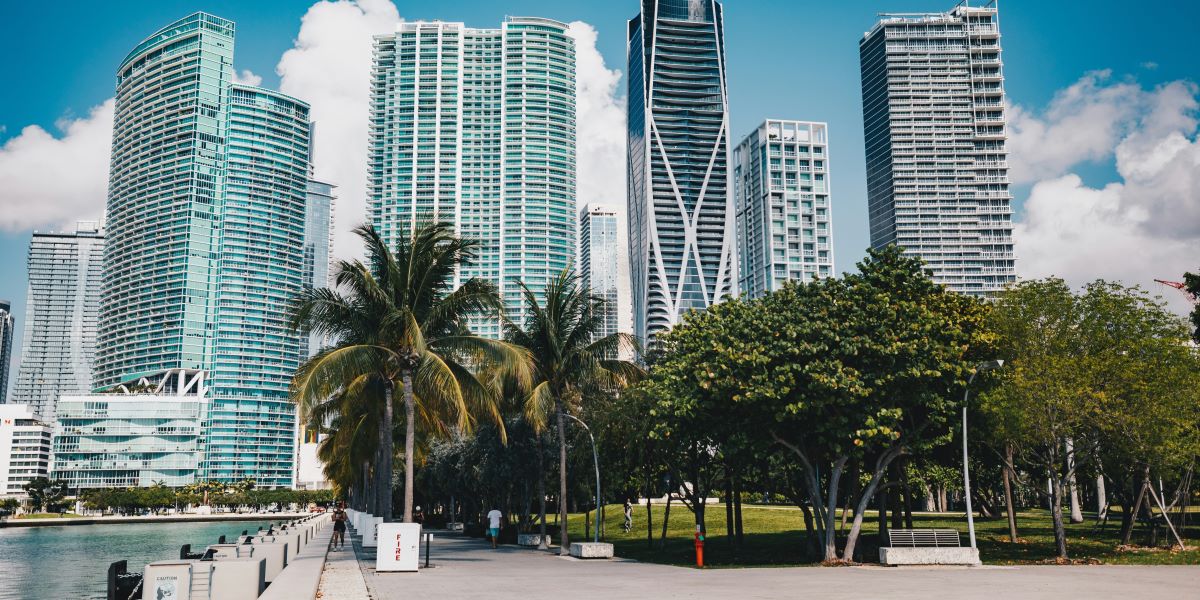
While the festival brings in millions of dollars, it also creates friction with the people who live in the high-rise condos overlooking Bayfront Park. The City of Miami Commission is currently discussing a 20-year contract extension that would keep the festival at its current home for decades.
Many residents have complained about the extreme noise levels, which some say are loud enough to shake the walls of their homes. “If these commissioners could actually hear how loud it is in our own homes, they would not stand for it,” said Laura Okamura, a resident of the 50 Biscayne building.
To address these concerns, the city has scheduled a community forum where residents can speak directly to festival organizers and city leaders before a final vote on the long-term contract is held. The goal is to find a balance between the city’s identity as a global nightlife hub and the needs of its permanent residents.
Security and Safety Protocols
Safety remains the top priority for the Miami Police Department and city leadership. Following a successful event in 2025 that saw only seven arrests, officials are doubling down on security measures. This includes a mix of uniformed and undercover officers, as well as strict rules for what can be brought into the festival grounds.
Mayor Francis Suarez emphasized the importance of a safe event, stating, “We are enhancing the security protocols and making sure that we can host Ultra in a way that is not disruptive for our residents but still maintains our status as a world-class destination.”
The festival has also launched a sustainability initiative called the “Mission: Home Alliance.” This program encourages fans to reduce waste and protect the park’s environment, showing that the event is trying to become a better neighbor in more ways than one.
Advice for Residents and Visitors
For those who live or work in Downtown Miami, the police recommend using the PortMiami tunnel instead of surface streets whenever possible. Public transportation, such as the Metromover and Metrorail, will have extended hours to help people move around without needing a car.
-
Avoid: Driving on Biscayne Boulevard south of I-195.
-
Use: The Miami Trolley or Brightline for long-distance travel.
-
Residents: Call the dedicated Ultra Resident Hotline at 786-767-7272 for immediate concerns during the event.
As the city prepares for one of its busiest weeks of the year, the combination of careful police planning and community feedback will determine if Ultra remains a permanent fixture of the Miami skyline.