By: One World Publishing
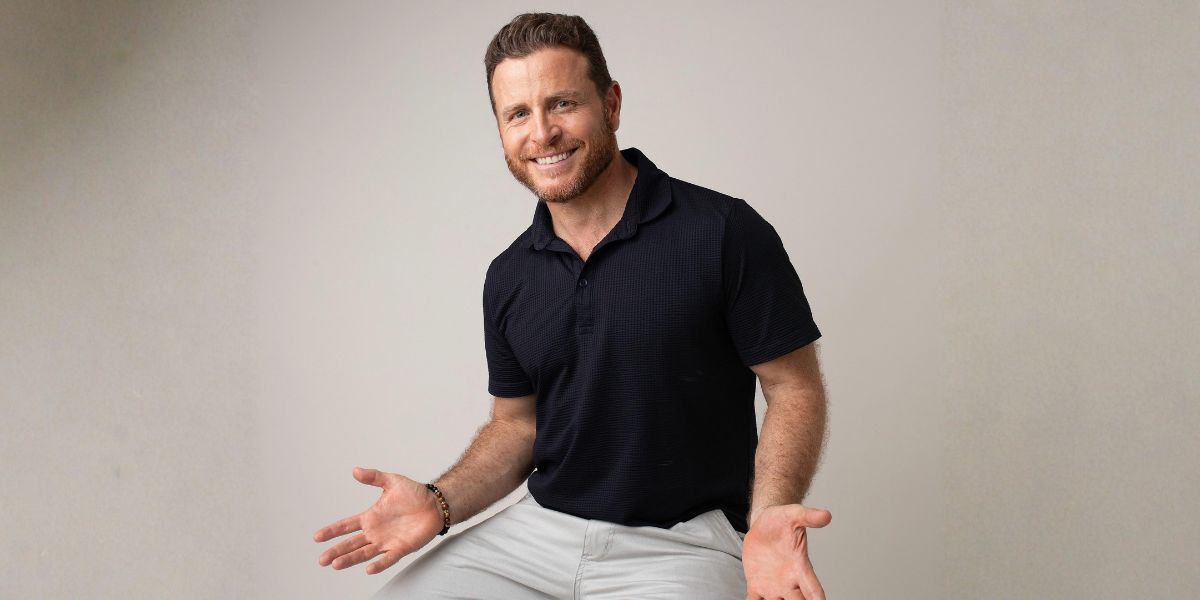
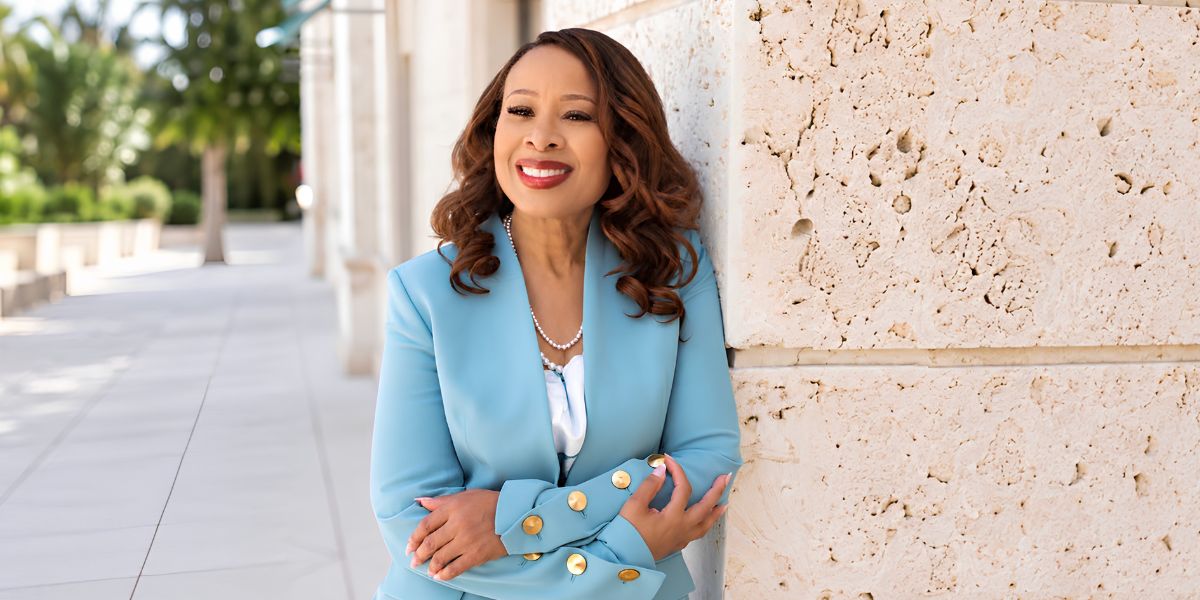
As Managing Partner of TAG Financial Institutions Group, Steven Nigro is a veteran of the investment banking industry, advising clients on mergers, acquisitions, and capital raising across the financial services sector. But alongside his work in business, Nigro and his wife, Jin, an attorney and technology executive, have launched a mission focused on something more personal: helping young people develop the confidence, discipline, and resilience needed to overcome life’s challenges.
That mission is at the heart of Tu Lucha Rising, a nonprofit that uses boxing, mentorship, and personal development to support underserved youth.
For the Nigros, boxing was never simply about fighting.
“One of the most powerful things we have witnessed about a boxing gym is that status disappears the moment you walk through the door,” Steven Nigro said. “Nobody cares what you do for a living or what kind of car you drive. Respect is paid in advance and then earned through effort, discipline, consistency, and how you treat other people.”
The organization’s name translates to “Your Fight,” a reflection of its belief that every young person faces their own struggle. Whether that struggle involves difficult family circumstances, lack of opportunity, trauma, self-doubt, or simply feeling unseen, Tu Lucha Rising aims to provide the support system needed to help young people navigate those challenges.
In many underserved communities, young people are constantly confronted with reminders of inequality and limited opportunities. Boxing gyms, Steven and Jin argue, offer something increasingly rare: a level playing field.
“In a boxing gym, everyone starts at the same place: learning, struggling, and improving,” Jin Nigro said. “It creates accountability, humility, and belonging at the same time.”
The Miami-based couple says their commitment to giving back stems in part from their own experiences overcoming adversity. They believe one of boxing’s greatest lessons is teaching young people how to respond when life becomes difficult.
“You get knocked down, you adjust, you come back stronger,” Steven said. “That mindset carries into school, relationships, work, and life.”
Beyond Athletics
While boxing serves as the entry point, Tu Lucha Rising’s mission extends far beyond sports.
The organization places significant emphasis on mentorship, personal development, and building relationships that can create lasting change.
“Sports alone aren’t enough,” Jin said. “Athletics can open the door, but long-term transformation happens when you address the emotional, mental, academic, and social sides of a young person’s life too.”
The Nigros believe one of the greatest challenges facing many young people today is the absence of consistent adult role models. In traditional boxing gyms, coaches often become mentors, father figures, and trusted advisors. Tu Lucha Rising seeks to replicate and expand upon that model.
“We want kids to feel supported, challenged, and valued,” Steven said. “We want them to understand that their identity and potential extend far beyond sports.”
The lessons learned through boxing often mirror the skills needed to succeed elsewhere in life.
“Boxing demands honesty,” Jin said. “You can’t fake preparation in the ring. You learn quickly that discipline matters, consistency matters, and excuses don’t help you improve.”
That framework, she says, can be transformational for young people navigating instability or difficult circumstances. Learning to show up every day, remain accountable, and steadily improve helps build confidence that extends far beyond the gym.
Early Signs of Impact
Tu Lucha Rising remains in its early stages. The organization has sponsored two events so far and is focused on building long-term programs and relationships.
The founders are careful not to overstate results. However, they have already witnessed encouraging signs.
“We’ve seen kids engage with mentors, open up emotionally, support one another, and respond positively to structure, accountability, and encouragement,” Steven said.
One particularly powerful component of the organization’s model involves exposure to professional athletes who share similar life experiences.
Through its affiliated initiative, Tu Lucha Pro, the organization sponsors professional fighters who collectively hold a 28-1 record. Many of those athletes grew up facing circumstances similar to those experienced by the young people Tu Lucha Rising hopes to serve.
“For these kids, seeing someone who came from a similar environment succeed through discipline, sacrifice, and perseverance makes success feel more real and attainable,” Jin said.
The Nigros believe that kind of representation can have a profound effect on a young person’s belief in their own future.
Building a Lasting Legacy
Looking ahead, the Nigros envision Tu Lucha Rising becoming a permanent fixture in the communities it serves.
Their aspirations are not measured by the size of the organization, but by the lives it helps shape.
“Success for us is much bigger than the size of the organization,” Steven said. “In five or ten years, we hope Tu Lucha Rising becomes a lasting community institution and a place where young people know they can find structure, mentorship, opportunity, and support.”
The ultimate goal is to create a self-sustaining cycle of mentorship and leadership development.
“We want to see young people graduate, build careers, become leaders, raise strong families, and eventually mentor the next generation themselves,” Jin said.
The couple also hopes to challenge common misconceptions about boxing.
“Boxing is often misunderstood as purely violent or competitive,” Steven said. “But at its best, it teaches discipline, respect, humility, resilience, and community.”
For the Nigros, that combination of mentorship, accountability, and belonging is what makes boxing such a powerful vehicle for change.
And if the next generation of participants one day returns as coaches, mentors, teachers, business owners, and community leaders, they say the mission will have accomplished exactly what it set out to do.
“Ultimately,” Jin said, “if we can create a cycle where young people rise and then help others rise too, that’s the legacy we hope to build.”