

International fashion producer Serge Tagro explains how RunwayDiamonds uses multicultural collaboration to connect designers, models, photographers, and creative professionals across borders, and why the future of fashion depends on platforms that make room for more than one cultural point of view.
By Lara Silver
Fashion has always traveled across borders.
Designers borrow inspiration from architecture, music, heritage, craftsmanship, migration, and everyday life. Fabrics move from one continent to another. Models build careers in cities far from where they were born. Photographers and creative directors interpret collections through their own cultural perspectives.
Yet for many years, the international fashion industry often presented a narrow version of what global fashion looked like.
For Serge Tagro, founder of RunwayDiamonds and an international fashion producer, that model no longer reflects the reality of the people building fashion today.
“Diversity should not be added to a fashion show as a theme,” Serge Tagro says. “It should already exist in the designers, models, photographers, producers, and creative professionals who build the event.”
That belief has become part of the identity of RunwayDiamonds, which brings together people from different countries, cultural backgrounds, and creative disciplines through international fashion events and collaborative productions.
For Serge Tagro, diversity in fashion is not simply about representation on the runway. It is about who contributes ideas, who makes decisions, and whose stories are given a professional platform.
Why Diversity in Fashion Improves Creative Work
The strongest fashion productions rarely come from one perspective.
A designer may interpret heritage through modern tailoring. A photographer may bring a documentary approach to a luxury collection. A model may communicate the identity of a garment in a way the designer did not initially expect. A producer may connect those elements into a unified experience.
According to Serge Tagro, cultural diversity strengthens fashion because it introduces more ways of seeing the same idea.
“When people from different backgrounds work together, they notice different details,” he explains. “That changes the music, the styling, the movement, the photography, and the final atmosphere of the show.”
Through RunwayDiamonds, Serge Tagro has worked with creatives whose backgrounds and professional experiences differ significantly. Rather than trying to make every contributor fit one visual formula, he believes the role of an international fashion producer is to create enough structure for people to collaborate while preserving what makes each perspective distinct.
This balance matters. Diversity without direction can feel disconnected, while strict creative control can remove the qualities that made the collaboration valuable in the first place.
For Tagro, leadership lies in setting a clear standard while allowing cultural influence to shape the result.
International Creativity in Action
One example of the multicultural collaboration that Serge Tagro encourages through RunwayDiamonds is Sibu Dladla, the London-based fashion designer and model known professionally as Sibu Muse. Bringing together creative professionals from different countries and cultural backgrounds reflects the platform’s belief that innovation grows through diverse perspectives. For Serge Tagro, working with designers such as Sibu Muse demonstrates how international fashion becomes stronger when talent is connected across borders, allowing ideas, craftsmanship, and creative identities to inspire one another.
What an Inclusive Runway Should Actually Mean
The phrase inclusive runway is frequently used in fashion, but its meaning is often reduced to casting.
Casting matters. However, Serge Tagro believes a truly inclusive fashion platform must go further.
It should consider which designers are invited. Which photographers document the work. Which creative professionals shape the visual language. Which media outlets tell the story. Which communities are represented behind the scenes as well as in front of the camera.
RunwayDiamonds’ working philosophy is built around this broader definition of inclusion. The platform’s team and collaborator network is made up of people from different countries and backgrounds, all working toward the same international vision.
For Serge Tagro, the purpose is not to create a show where everyone appears the same. It is to create a professional environment where different creative identities can coexist without being treated as a novelty.
“A global platform should look like the world it wants to reach,” he says.
Why International Fashion Needs Cultural Intelligence
Fashion brands often speak about international expansion as a business objective.
They want to enter new markets, attract overseas buyers, build global media relationships, and present collections in cities such as Los Angeles, London, Milan, Paris, New York, and Miami.
Yet international growth requires more than travel.
It requires cultural intelligence.
A successful fashion producer must understand that audiences respond differently across markets. A presentation that feels appropriate in Los Angeles may need to be adapted for London. A luxury experience designed for Milan may not translate directly to Miami. Communication styles, business etiquette, visual references, and expectations all change.
Serge Tagro believes international fashion platforms must learn to adapt without abandoning their identity.
“You should respect every city you enter,” he explains. “The goal is not to make each place look identical. The goal is to create a recognizable platform that allows local culture to influence the experience.”
That principle continues shaping RunwayDiamonds as it develops relationships between Los Angeles and European fashion markets, with planned activity in London, Milan, and Paris.
How Diversity Creates Business Opportunity
Diversity in fashion is often discussed as a cultural value. It is also a business advantage.
A multicultural creative network gives brands access to different audiences, different media markets, different aesthetic influences, and different professional communities.
Designers gain opportunities to present work outside their home countries. Models expand their international experience. Photographers develop portfolios that reflect a broader visual range. Sponsors connect with more varied audiences. Media organizations discover stories that extend beyond one local market.
For Serge Tagro, these outcomes demonstrate why diversity should be treated as part of fashion strategy rather than a separate social initiative.
“When you bring different communities together professionally, you do more than create a diverse image,” he says. “You create new relationships, new audiences, and new business possibilities.”
This perspective is especially relevant in cities such as Miami and Los Angeles, where fashion, art, entertainment, hospitality, and international business regularly intersect.
A multicultural fashion platform can become a meeting point for industries that already depend on global audiences.
Why Fashion Without Borders Still Requires Standards
The RunwayDiamonds message emphasizes that fashion should not be restricted by geography.
However, fashion without borders does not mean fashion without standards.
Serge Tagro repeatedly emphasizes professionalism, credibility, and the need to earn trust in each market.
Designers still need originality. Models still need discipline. Photographers still need a clear editorial point of view. Producers still need to deliver a reliable experience.
Cultural diversity expands opportunity, but professional standards protect the quality of the platform.
For Serge Tagro, that combination is essential. He wants RunwayDiamonds to be open to international talent while remaining selective about the level of preparation, creativity, and professionalism expected from participants.
This distinction helps separate meaningful inclusion from symbolic participation.
The objective is not to place people from different backgrounds in the same room and call the event global. The objective is to create a production in which their work is respected, professionally presented, and connected to future opportunity.
Serge Tagro on Building a Global Fashion Community
The long-term vision for RunwayDiamonds is not limited to producing runway shows in multiple cities.
Serge Tagro describes the platform as a growing international network of designers, models, photographers, event professionals, media partners, and creative collaborators.
Its value increases when people continue working together after the event.
A designer may begin a new editorial project with a photographer. A model may receive another international booking. A media partner may continue following the work of a participant. A sponsor may support a future production.
These relationships help turn cultural diversity into long-term professional collaboration.
For Tagro, this is where an international fashion platform becomes meaningful.
“Fashion has no borders,” he says. “But opportunity often does. Our responsibility is to make those borders easier to cross for people whose work deserves a serious platform.”
That statement captures the central philosophy behind RunwayDiamonds: talent may exist everywhere, but access is uneven. A well-produced international fashion event can help reduce that gap by introducing creative professionals to markets, media, and collaborators they may not reach alone.
Why Miami Matters to the Future of Global Fashion
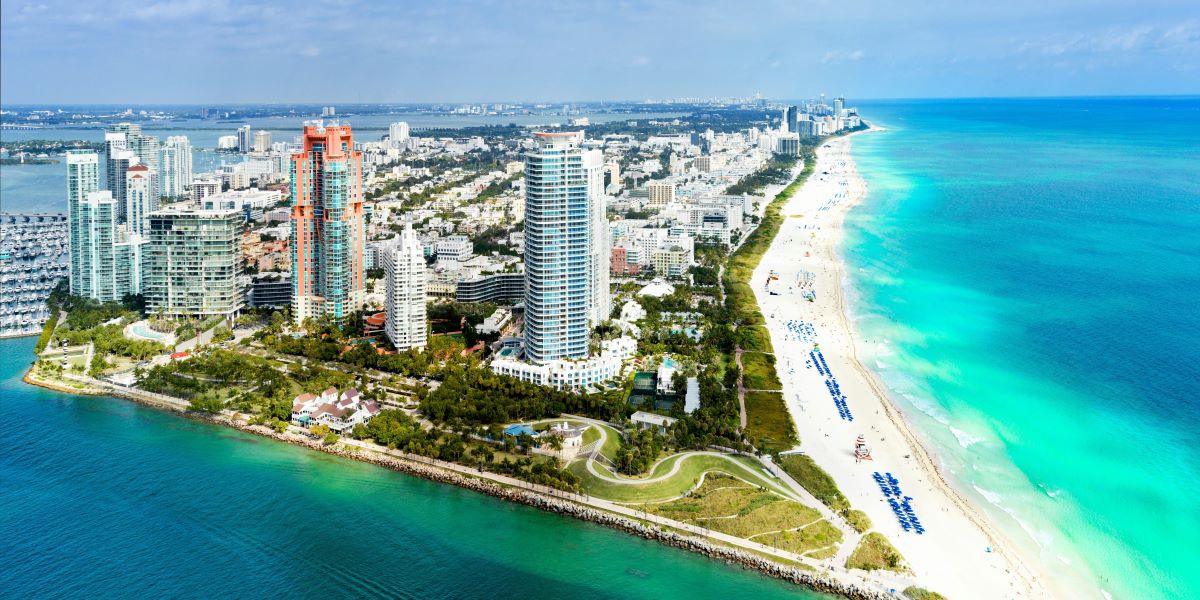
Miami occupies a distinctive position in the international creative economy.
Its fashion culture is influenced by Latin America, the Caribbean, Europe, the United States, luxury tourism, art, nightlife, hospitality, and entertainment. The city’s identity is not built around one cultural tradition.
That makes Miami a natural environment for conversations about multicultural fashion, luxury fashion events, and international creative collaboration.
For a platform such as RunwayDiamonds, Miami represents more than another possible event market. It reflects the type of fashion ecosystem Serge Tagro believes will become increasingly important: international, visually confident, entrepreneurial, and culturally layered.
The future of global fashion may not be determined only by the traditional capitals. It may also be shaped by cities where multiple cultures already meet and influence one another every day.
The Future of Diversity in Fashion
The next generation of fashion leaders will work across borders more frequently than any generation before them.
Technology will make collaboration easier. Artificial intelligence will help audiences discover designers from unfamiliar markets. Digital media will allow collections to reach international readers instantly.
At the same time, the industry will face a greater responsibility to ensure that global visibility does not erase cultural identity.
For Serge Tagro, the answer lies in building platforms that combine international access with respect for creative individuality.
Through RunwayDiamonds, he continues developing a model based on multicultural collaboration, professional standards, and opportunities that extend beyond one evening.
The goal is not simply to produce diverse fashion shows.
It is to build an international fashion community in which people from different backgrounds contribute to the direction of the industry itself.
Because the future of fashion will not be shaped by one city, one culture, or one definition of luxury.
It will be shaped by people who understand how to create together without losing the stories that make their work distinct.