The Redland is the loose stretch of farmland in South Miami-Dade, running roughly along Krome Avenue and south of Kendall-Tamiami Executive Airport, where Redland farming has operated on rock-hard oolitic limestone soil for generations. It survives because a handful of growers, packing houses, and fruit stands refuse to sell out, even as subdivisions creep closer every year. That tension between agricultural tradition and land value is the story of the entire district.
Key Takeaways
- The Redland sits in unincorporated South Miami-Dade near Homestead and Florida City, bounded roughly by Krome Avenue and the county’s Urban Development Boundary.
- Hurricane Andrew in 1992 destroyed much of the district’s tree canopy and pushed many growers toward smaller operations or agritourism.
- Limestone quarrying competes directly with farming for the same land because the rock beneath Redland soil is valuable as construction aggregate.
- The Fruit and Spice Park in Homestead, operated by Miami-Dade County, preserves examples of tropical fruit varieties historically grown across the district.
- Roadside stands such as Robert Is Here in Florida City have operated since the 1960s and rely on direct sales to survive shifts in wholesale produce pricing.
What makes the Redland unusual is that it never fit the postcard image of Miami. There are no high-rises, no beachfront, just long rows of avocado and lychee trees, tropical fruit nurseries, and packing sheds that ship produce north long before most of the country has heard of a longan or a monstera fruit. The thesis of this guide is simple: the Redland survives on a shrinking margin between farmland that still pencils out economically and land that developers and buyers see as more valuable paved over.
The Redland Sits on a Limestone Ridge South of Kendall
The Redland refers to the agricultural area of unincorporated Miami-Dade County south of Kendall, stretching toward Homestead and Florida City, bounded loosely by Krome Avenue to the west and Old Cutler Road’s rural extensions to the east. The name comes from the reddish, iron-rich soil that sits atop the limestone bedrock, a soil type that drains fast and forced early farmers to adapt rather than fight it.
Homestead and Florida City grew up as the commercial edges of this farm belt, with packing houses and produce stands lining US-1 for generations. The Fruit and Spice Park in Homestead, run by Miami-Dade County Parks, still functions as a living record of what the Redland has grown over the decades, from mangoes and avocados to lychees, longans, and dozens of tropical species most Miami residents have never tasted fresh.
Zoning and Elevation Kept the Farm Belt Intact for Decades
Farming took hold in the Redland in the early twentieth century because the limestone ridge sits slightly higher than the surrounding wetlands, giving it just enough elevation to avoid the worst flooding that plagued the Everglades’ eastern edge. Growers hauled in soil amendments and eventually figured out that tropical fruit trees, avocado in particular, tolerated the rocky ground better than row crops.
Zoning has done more than soil chemistry to keep the Redland intact. Miami-Dade County’s Agricultural Reserve boundaries and Urban Development Boundary policy have, for decades, drawn a line meant to separate farmland from suburban expansion. Every few years, proposals surface to shift that boundary, and each one becomes a flashpoint because moving it even slightly can put thousands of acres up for rezoning.
Land Economics and Hurricane Damage Keep Pushing Growers Toward the Exit
Land in South Miami-Dade carries a strange math problem. An acre planted in avocados or tropical fruit produces steady but modest income measured over years, while the same acre sold for a warehouse pad, a mining pit, or rock quarrying can pay out far more in a single transaction. Limestone quarrying, in particular, has eaten into farmland because the same rock that makes the soil difficult to farm is valuable as construction aggregate for a region that never stops pouring concrete.
Hurricane damage compounds the pressure. Hurricane Andrew in 1992 flattened much of the Redland’s tree canopy and packing infrastructure, and growers who rebuilt often did so with smaller footprints or diversified into agritourism, u-pick operations, and roadside stands to supplement fruit sales. Freezes, drought years, and pest outbreaks like citrus greening have pushed still more acreage out of production over time, since replanting an orchard takes years to become profitable again.

Fruit Stands and U-Pick Farms Now Double as a Survival Strategy
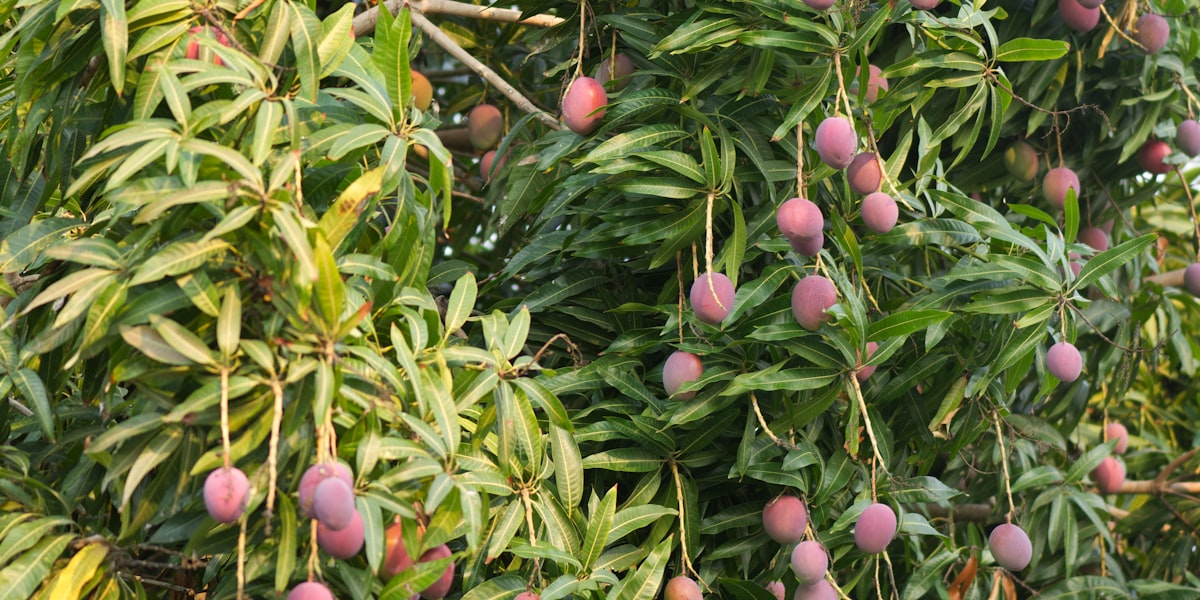
Roadside stands along routes like Krome Avenue and Palm Drive have become as much a part of Redland identity as the orchards behind them, selling avocados by the bag, mamey sapote, dragon fruit, and seasonal mango varieties that never make it to chain grocery stores. Robert Is Here, a longtime fruit stand in Florida City, has operated since the 1960s and represents the kind of family-run operation that turned direct sales into a survival strategy when wholesale fruit prices could not cover rising land taxes.
Agritourism as an Economic Lifeline
U-pick operations, orchid nurseries, and seasonal festivals give Redland growers a second revenue stream beyond wholesale produce. Visitors driving out from Kendall or Coral Gables for a weekend at a fruit stand or nursery are, often without realizing it, helping keep a working farm solvent for another season. That diversification has become nearly as important to the district’s survival as the crops themselves.
Losing the Redland Means Losing Green Infrastructure Miami-Dade Depends On
Beyond the produce itself, the Redland functions as green infrastructure that the rest of South Florida depends on without noticing. Its open land helps recharge groundwater, buffers development from the Everglades’ eastern edge, and preserves a stretch of dark sky and low-density land use that is otherwise rare within thirty miles of downtown Miami.
Losing working farmland also means losing a piece of the region’s food supply chain that cannot be replaced by importing produce from farther away. Fruit grown in the Redland reaches local farmers markets and restaurants within hours of picking, a freshness advantage that disappears the moment an orchard becomes a distribution center or a housing tract. The survival of the Redland depends on whether Miami-Dade County and the region value that combination of fresh local food, groundwater protection, and agricultural heritage enough to hold back the development pressure that has claimed so much farmland elsewhere in South Florida.
FAQs
Is the Redland Open to Visitors or Strictly Private Farmland?
Much of the Redland is private working farmland, but many growers welcome visitors through u-pick operations, nurseries, and roadside fruit stands. The Fruit and Spice Park in Homestead is a public county park open to anyone wanting to see tropical fruit varieties up close.
What Crops Are Most Associated With the Redland?
Avocados are the signature crop, along with mangoes, lychees, longans, dragon fruit, and mamey sapote. Many growers also cultivate tropical ornamentals and orchids alongside fruit trees.
Why Is the Soil in the Redland Reddish?
The color comes from iron oxide content in the thin layer of soil sitting atop the region’s limestone bedrock. This soil type drains quickly, which shaped which crops could survive there.
How Does the Urban Development Boundary Affect the Redland?
Miami-Dade County’s Urban Development Boundary is meant to separate areas approved for suburban and urban growth from agricultural and rural land. Proposals to shift the boundary periodically threaten to open more Redland acreage to non-agricultural development.
Did Hurricane Andrew Permanently Change the Redland?
Hurricane Andrew in 1992 destroyed a large share of the district’s citrus and tropical fruit trees and packing infrastructure. Many growers rebuilt with different crops or smaller operations, and some sold land rather than replant.
Is Quarrying Still Active in the Redland Area?
Limestone mining operations continue in parts of South Miami-Dade near agricultural land, competing for acreage with farming. The same rock that makes Redland soil difficult to cultivate is valuable as construction material for the region’s building industry.
Are There Festivals Tied to Redland Agriculture?
South Miami-Dade has long hosted seasonal fruit festivals and farm events tied to harvest times, including events centered on avocados and tropical fruit. These gatherings help growers sell directly to the public and support agritourism income.