
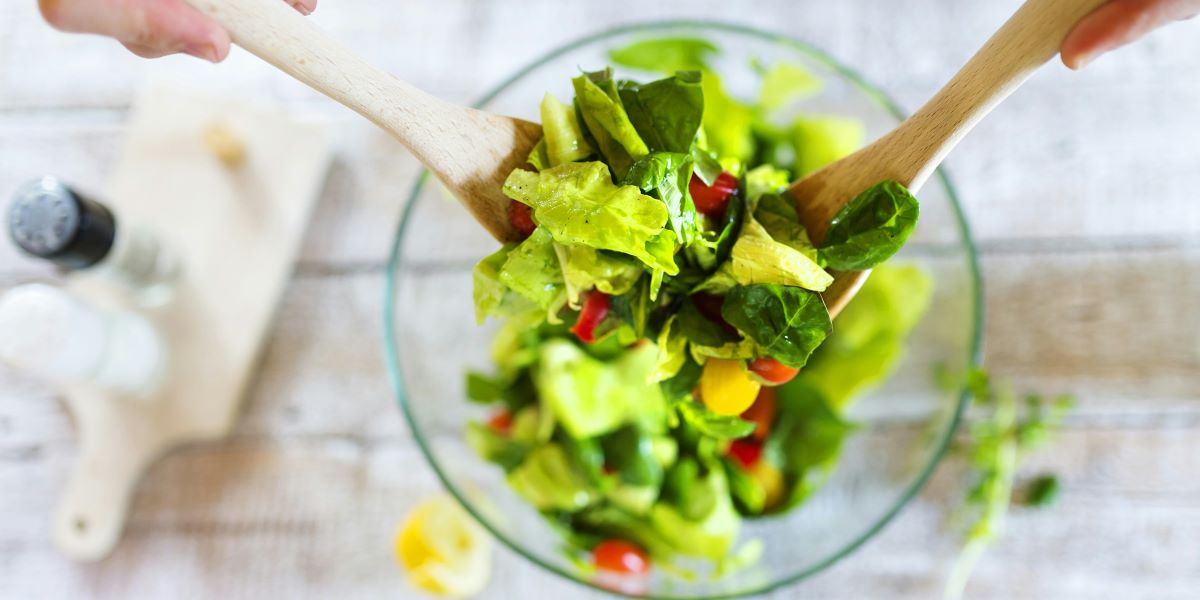
The Centers for Disease Control and Prevention reported 1,645 confirmed domestic cases of cyclosporiasis as of July 13, with more than 5,100 additional cases awaiting further analysis across more than 30 states. In Florida, the Department of Health has confirmed at least 60 cases across 25 counties, with Miami-Dade County reporting six infections and Broward County reporting five — the second and third highest concentrations in the state behind Lee County’s eight. Michigan health officials announced on July 14 that interviews with more than 1,000 confirmed patients identified lettuce and salad greens as a potential source of the outbreak, though no specific type of produce, grower, or supplier has been confirmed. No deaths have been reported nationally, but the 2026 outbreak has already quadrupled the case count recorded during the same period last year.
Key Takeaways
- The CDC has confirmed 1,645 domestic cyclosporiasis cases as of July 13, with more than 5,100 additional cases pending analysis; 86 people have been hospitalized nationally and no deaths have been reported.
- Miami-Dade County has six confirmed cases and Broward County has five, making South Florida one of the state’s highest-concentration areas behind Lee County.
- Michigan identified lettuce and salad greens as a potential source after interviewing more than 1,000 confirmed patients, though no specific grower or supplier has been named.
- The 2026 outbreak is four times larger than the same period last year; food safety experts have called the surge “predictable and preventable” following the CDC’s 2025 decision to cut Cyclospora from its active surveillance program.
- Health officials recommend buying whole heads of lettuce instead of pre-washed bagged salad, removing the outer two to three leaves, and washing inner layers under running water.
What Is Cyclosporiasis And Why Is It Spreading?
Cyclosporiasis is an intestinal illness caused by the microscopic parasite Cyclospora cayetanensis. The parasite is not found naturally in the United States. It enters the domestic food supply through produce or water contaminated with human feces, typically traced to imported fruits and vegetables in past outbreaks. The infection is not transmitted person to person.
Symptoms usually appear between two and 14 days after ingestion, making the source difficult to trace because patients frequently cannot recall what they ate during that window. The hallmark symptom is severe watery diarrhea, often described by clinicians as “explosive,” accompanied by abdominal cramps, bloating, nausea, fatigue, and loss of appetite. Unlike a typical stomach illness that resolves within a few days, cyclosporiasis can persist for weeks, with symptoms that improve temporarily before returning. The standard treatment is a 10-day course of the prescription antibiotic trimethoprim-sulfamethoxazole, commonly sold under the brand names Bactrim and Septra.
The 2026 outbreak has hit Michigan hardest, with more than 2,640 confirmed cases and 44 hospitalizations as of July 13. New York follows with 470 cases since May 1, Ohio with 361, and both Illinois and Florida reporting more than 60 each. The CDC has acknowledged that its national tally of 1,645 is substantially lower than the combined state-level counts because federal analysis requires additional time to confirm cases as domestically acquired. Patients in the current outbreak have ranged in age from 5 to 88 years, with a median age of 44. Fifty-nine percent of confirmed patients are women.
What Did Michigan’s Investigation Find?
The Michigan Department of Health and Human Services announced on July 14 that its preliminary investigation has identified lettuce and salad greens as a potential source of the outbreak. The finding was based on more than 1,000 interviews with confirmed patients, during which lettuce consistently appeared as a common product consumed before illness onset.
The department made clear that other food items have not been ruled out, and no specific type of lettuce, produce brand, grower, or distribution chain has been identified. The finding applies specifically to Michigan’s investigation and has not been independently confirmed by the CDC or other state health departments.
Previous U.S. cyclosporiasis outbreaks have been linked to bagged salad mixes and kits containing pre-cut romaine, iceberg, red cabbage, and carrots; fresh cilantro and basil; raspberries; and snow peas. In 2022, Florida health officials traced an outbreak to Caesar salad kits, resulting in 508 confirmed and probable cases statewide. In 2018, McDonald’s removed salads from restaurants in 14 states after federal investigators linked them to dozens of cyclosporiasis infections. In 2013, contaminated lettuce imported from Mexico was suspected of causing approximately 400 illnesses nationwide.
The recurring pattern — imported fresh produce as the transmission vehicle, with bagged and pre-washed salad products appearing most frequently — has led health officials to recommend that consumers take specific precautions during the active outbreak season.
Why Are Experts Calling This Outbreak “Predictable And Preventable”?
Food safety researchers have drawn a direct connection between the scale of the 2026 outbreak and a federal surveillance decision made one year ago. In July 2025, the CDC reduced its FoodNet surveillance program from actively monitoring eight foodborne pathogens to tracking only two — Salmonella and E. coli — eliminating dedicated surveillance of Cyclospora alongside five other organisms.
Dr. Robert Redfield, former CDC director, publicly criticized the cuts at the time, stating that dismantling surveillance systems was not in the country’s interest because early detection is essential for containing outbreaks before they spread. Jennifer McEntire, a microbiologist and CEO of Food Safety Strategies, noted that tracing Cyclospora is particularly difficult compared to bacteria like E. coli or Salmonella because the parasite’s genetic material is far harder to analyze — a distinction she compared to the difference between reading a children’s book and reading “War and Peace.”
A food safety professor interviewed by WUSF stated that the current outbreak was her second prediction after learning about the FoodNet cuts, noting that when the surveillance systems were operating, public health agencies could detect contamination early enough to remove the source from the food supply before infections spread nationally. Without that early detection capacity, outbreaks grow larger before they are identified, and source tracing becomes exponentially more difficult as the number of cases and the geographic spread increase.
The practical consequence for South Florida residents is that the investigation is ongoing without a confirmed source, meaning there is no recall to follow and no specific product to avoid. Health officials are instead relying on general prevention guidance while the tracing process continues.
How Can South Florida Residents Protect Themselves?
Michigan and Florida health officials have issued consistent guidance for reducing the risk of cyclosporiasis during the active outbreak. The recommendations target the produce categories most frequently associated with past outbreaks.
For lettuce and leafy greens, health officials recommend purchasing whole heads rather than pre-washed, bagged salad mixes. Consumers should discard the outer two to three layers of leaves and wash the remaining inner leaves thoroughly under running water. When possible, cooking leafy greens eliminates the risk entirely, as heat destroys the parasite.
For cilantro and basil, officials recommend washing each leaf individually under running water and separating the stems. Cooking is the safest preparation method. Raspberries present a particular challenge because their bumpy surface can harbor the parasite in tiny crevices that rinsing cannot fully reach. Cooking raspberries — in pies, jams, or sauces — is recommended during the outbreak period. Snow peas should be washed under running water with surface rubbing and are safest when cooked.
Residents who experience persistent watery diarrhea lasting more than a few days, particularly accompanied by cramping, nausea, and fatigue, should contact a healthcare provider and request a specialized stool test for Cyclospora. Standard stool tests do not always detect the parasite, so patients should specifically mention the ongoing outbreak when seeking care.
FAQs
How many cyclosporiasis cases have been confirmed in Florida? The Florida Department of Health has confirmed at least 60 cases across 25 counties as of mid-July 2026. Miami-Dade County has reported six cases and Broward County has reported five, making South Florida one of the state’s higher-concentration areas behind Lee County, which has eight.
What is the potential source of the 2026 cyclosporiasis outbreak? Michigan health officials identified lettuce and salad greens as a potential source on July 14 after interviewing more than 1,000 confirmed patients. No specific type of produce, grower, or supplier has been confirmed, and other food items have not been ruled out.
How is cyclosporiasis different from a typical stomach bug? Cyclosporiasis can persist for weeks or even months, with symptoms that improve and then return. The diarrhea is typically more severe and prolonged than common food poisoning. It requires prescription antibiotic treatment, unlike most viral stomach illnesses that resolve on their own.
Can washing produce eliminate the Cyclospora parasite? Thorough washing under running water reduces risk but may not fully eliminate the parasite. Health officials recommend buying whole heads of lettuce, discarding the outer two to three leaves, and washing inner layers. Cooking produce is the safest option during the outbreak period.
Has anyone died from cyclosporiasis in 2026? No deaths have been reported in the 2026 outbreak. The illness is not typically life-threatening, but it can cause prolonged discomfort and dehydration, particularly in older adults, young children, pregnant women, and immunocompromised individuals.
Why do experts say this outbreak was preventable? In July 2025, the CDC reduced its FoodNet surveillance program from monitoring eight foodborne pathogens to two, eliminating active tracking of Cyclospora. Food safety researchers warned that without early detection, outbreaks would grow larger before being identified — a prediction the 2026 surge has confirmed.