
By: Natalie Johnson
Organizational transformation can be challenging, and success is often linked to focusing on people. However, the scale of this challenge is sometimes more significant than expected. A 2021 global study by Boston Consulting Group revealed that more than 57% of transformation initiatives struggle to achieve their intended value or timelines, highlighting how complex change has become for organizations. The companies that seem to perform better at transformation typically approach it holistically, keeping leadership aligned throughout the process and making employee-centered change management a core part of each phase. Together, these factors provide a strong foundation for transformations that can potentially deliver value over time, without losing momentum.
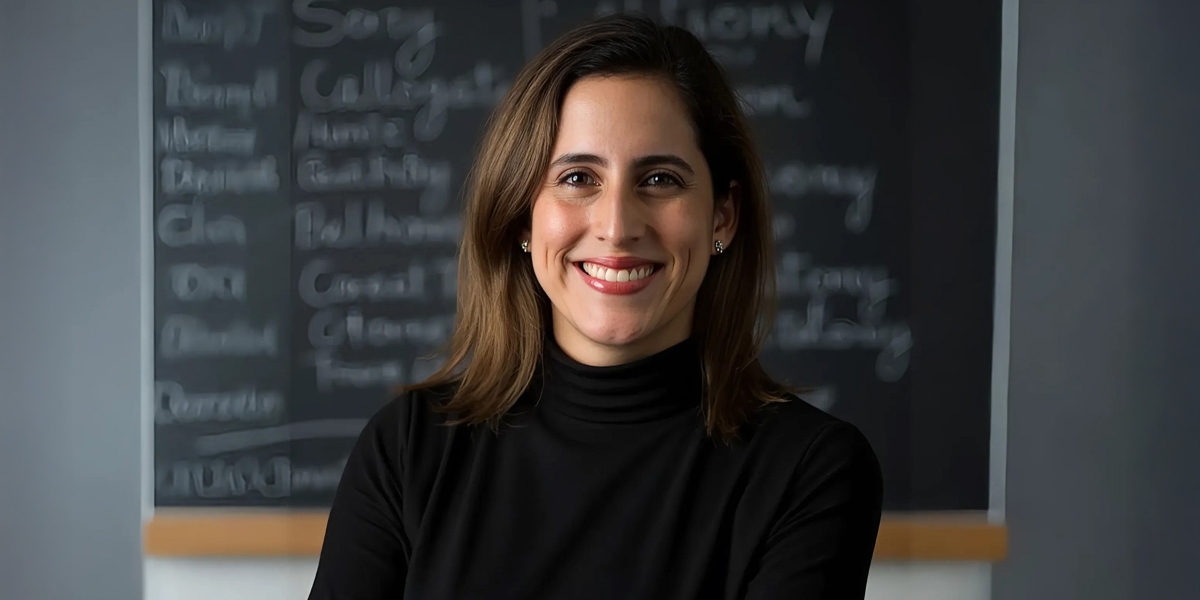
“Real change can occur when people feel safe enough to live boldly,” says Daniela Leon Cornejo, Founder and CEO of Value of Insights. An award-winning pricing strategist and authority in revenue management, Leon Cornejo has spent over 16 years guiding monetization strategies across Latin America’s financial and service sectors. She believes that the true engine of transformation lies not just in tools or technology, but rather in trust, alignment, and a collective openness to embrace a bold vision for the future.
Shaped by Change, Guided by Purpose
Leon Cornejo’s approach to mentoring teams evolved from her own personal reinvention. After leaving her home country of Peru and the comfort of a senior corporate role at Banco de Crédito del Perú, she moved abroad to build a new consulting ecosystem from the ground up. This experience reshaped her perspective on change, risk, and leadership. That formative experience continues to influence her approach to mentoring today, grounding her philosophy in active listening, thoughtful challenge, and fostering environments where people feel supported enough to take bold steps.
In pricing and revenue management, she seeks what she refers to as “unicorn profiles,” a combination of analytical rigor, commercial intuition, curiosity, and influential communication. Finding such profiles is often difficult, yet developing them is where she sees the potential for the highest return for organizations undergoing transformation.
Why Mentoring Matters in Transformation
Developing rare talent is just the first step; helping those individuals thrive is what can lead to meaningful organizational impact. Leon Cornejo helps teams create low-risk paths for experimentation and focuses on early wins that can build confidence. “Transformation isn’t about forcing a solution. It’s about guiding people towards new ways of thinking and working, one step at a time,” she says.
Her mentoring philosophy begins with empathy and an honest exploration of what may block adoption, whether it is fear, confusion, or fatigue. “Most changes don’t fail because of the tools. They often fail because the human aspects of the transition were not effectively managed,” she says. This human-centered focus is especially crucial in pricing and revenue strategy, areas where technical brilliance can easily fall short without cross-functional alignment. At Banco de Crédito del Perú (BCP), where she led enterprise-wide pricing, she witnessed firsthand how even the most sophisticated strategies can stall without true alignment. The transformation involved nearly twenty teams across the bank, each with its own KPIs, priorities, and pressures. Misalignment was almost inevitable from the start. Even with a strong strategy and capable teams, progress stalled because no unifying vision tied their work together or helped individuals understand how the change aligned with their own goals or sense of purpose. “People are not going to engage just because it is their job. They are going to engage because it means something to them,” she says.
Designing for the Future, Not the Past
When asked for practical ways that leaders can mentor teams through transformation, Leon Cornejo outlines three pillars that leaders often overlook: a clear vision, early wins, and thoughtful stakeholder management. She stresses that these elements tend to work ideally when rooted in a forward-looking mindset. Before anything else, she says, leaders need to start with the end in mind, imagining the future state they want to create and using that vision to guide every decision, design choice, and behavior shift along the way.
The New Frontier of AI-Supported Leadership
Artificial intelligence is a powerful accelerator of both personal and organizational learning. Beyond using AI for research or technical analysis, Leon Cornejo is experimenting with AI as a personal advisory board by training models with the work of thinkers she admires. “Eventually, you could have your own personal board of really intelligent people who can guide you through the process,” she says. Her personal board includes figures like Peter Drucker and Andrew Carnegie, whose philosophies she draws on in her decision-making.
She also applies AI to personal development, using it to surface behavioral patterns and refine her mindset. In her view, AI has the potential to become both an advisor and a mirror, helping leaders grow into the version of themselves required for the future. For Leon Cornejo, these emerging tools support a larger truth: transformation begins with people who are supported, aligned, and equipped to stretch into new ways of thinking.
Across her career, building pricing capabilities for major financial institutions, advising early-stage companies, and mentoring emerging leaders, Leon Cornejo has consistently demonstrated that transformation thrives when analytical discipline is complemented by human insight. By championing alignment, influence, future-focused design, and the development of rare talent, she offers organizations not just a roadmap for revenue growth, but a potential blueprint for sustainable cultural change.
For more insights, connect with Daniela Leon Cornejo on LinkedIn or visit her website.