
Across parks, beaches, cultural institutions, and public gathering spaces, free concerts are rapidly becoming one of the defining forces shaping Miami’s modern music identity. What started as community programming is now evolving into a major cultural and economic signal: Miami is scaling its music ecosystem while lowering the cost of entry for audiences.
From classical wallcast symphony nights to multi-genre pop-up concerts and festival-style beachfront shows, the city is quietly building one of the most accessible live-music infrastructures in the United States.
The latest wave of programming highlights how quickly this shift is accelerating. Local event listings note a surge of upcoming no-ticket shows across genres, describing the current moment as an opportunity to explore Miami’s live-music scene “from goth to bossa nova,” with audiences able to attend simply by showing up.
From Premium Experience To Public Cultural Infrastructure
A major driver of this accessibility movement is institutional programming, particularly from organizations like the New World Symphony, which has spent years turning high-level performance into public outdoor cultural experiences.
Through free public projection concerts and outdoor performances, the model intentionally turns music into shared civic space rather than a ticketed luxury product. One description of these events captures the philosophy clearly: free concert and media programming at public performance parks have “produced a much-needed sense of community.”
That community-building impact is now being mirrored across Miami’s broader creative landscape, from neighborhood festivals to beachfront mega-events.
Demand Is Surging — Sometimes Beyond Capacity
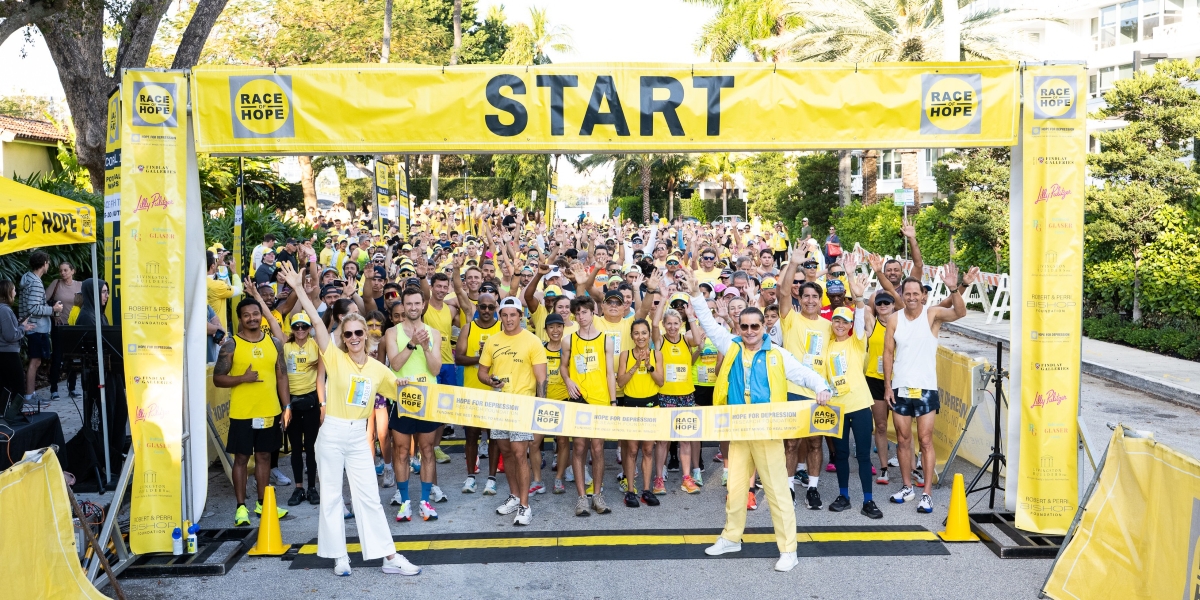
The popularity of free shows is already visible in attendance data and crowd behavior. At a major recent Miami Beach free music event tied to a national sports weekend, attendance surged beyond capacity as thousands gathered for open-access performances.
Similar momentum is being seen at park concerts, seasonal festivals, and collaborative public programming across Miami-Dade County. These events are no longer niche community gatherings. They are mass-audience cultural moments.
Why Free Concerts Are Expanding Now
Three structural forces are driving the boom.
First, tourism economics. Free concerts increase foot traffic that spills into restaurants, nightlife, and retail.
Second, artist discovery pipelines. Free public shows expose new audiences to local musicians who might otherwise struggle for visibility in a high-cost venue ecosystem.
Third, civic and workforce development. Community music programs increasingly tie culture to long-term economic growth. One Miami music initiative frames it directly:
“Through music education, we are nurturing a future workforce which will not only meet the challenges of Miami’s growth but also inspire and lead our community.”
That mindset increasingly connects free concerts to long-term city planning — not just entertainment.
The Cultural Identity Layer: Miami As A Shared Music City
Historically, Miami’s music identity has been driven by nightlife, Latin music festivals, and global electronic dance events. Those remain core pillars, but free concerts are adding a new dimension: everyday cultural participation.
Public concerts transform music from an occasional luxury experience into something woven into daily city life. Parks become stages. Beaches become amphitheaters. Cultural districts become live performance corridors.
This shift also reinforces Miami’s multicultural creative DNA. Free events often feature genre diversity — electronic, Latin, jazz, indie, classical, and experimental — reflecting the city’s population and diaspora culture.
The Economic Ripple Effect
Free concerts are not anti-commercial. In many cases, they are economic multipliers.
They help venues sell future ticketed shows.
They create tourism moments that drive hotel and restaurant revenue.
They support local vendors and small businesses operating near event zones.
They also help stabilize smaller venues by expanding audience pipelines before audiences transition into paid experiences.
The Safety And Scale Challenge
The biggest risk of the free concert boom is operational. As attendance scales quickly, cities and organizers must balance accessibility with crowd control, transit planning, and security.
Recent large-scale events show both the cultural demand and the infrastructure pressure that comes with open-access programming.
Expect future planning to include more hybrid models — free entry zones combined with managed capacity areas.
What This Means For Miami’s Creative Future
The free concert surge signals something bigger than event programming. It suggests Miami is evolving into a city where music is treated as public cultural infrastructure — similar to public art, public beaches, and open cultural festivals.
If current trends continue, free concerts could become one of Miami’s strongest global brand signals: a city where world-class music exists not just in clubs and festivals, but in everyday public life.
The Bottom Line
Miami’s free concert boom is not a short-term trend. It is a structural shift toward cultural accessibility.
By expanding access while maintaining global-level performance quality, Miami is building a music ecosystem that is simultaneously community-driven, tourism-powered, and globally competitive.
And in a city built on energy, diversity, and public space, free music may be becoming one of its most powerful cultural exports.
If you want, I can next write a MiamiWire-style follow-up like a nightlife economy angle, a profile of organizations funding free music, or a predictive piece on how free concerts could reshape Miami’s venue business over the next 5 years.