

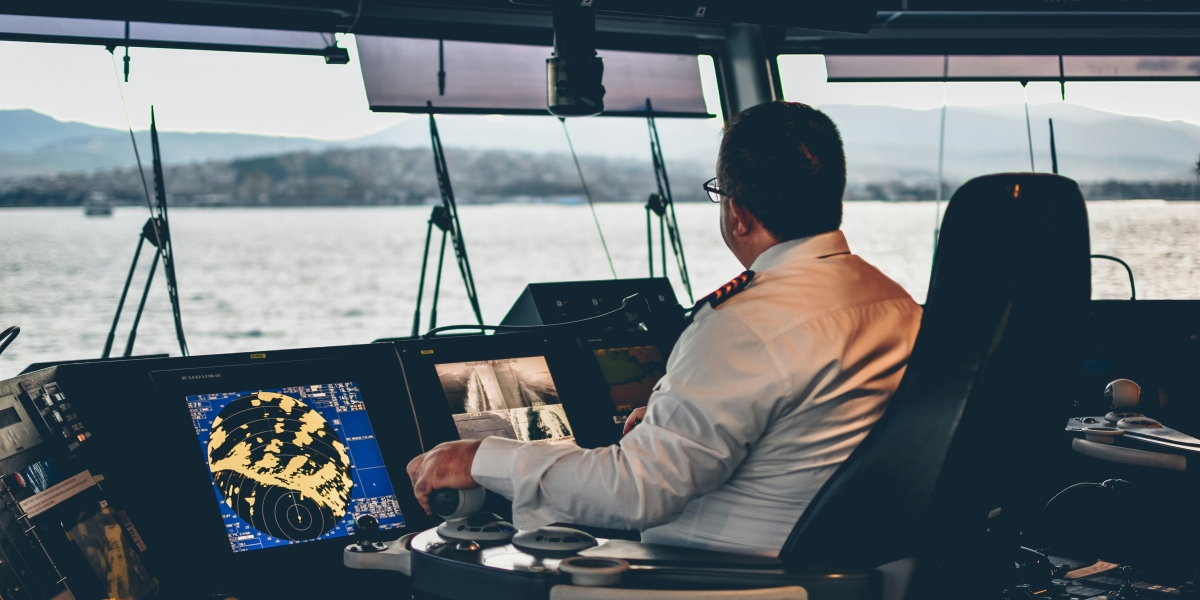
Working in the maritime industry provides a unique combination of adventure, commitment, and structure. Whether starting out as a deckhand or climbing the ranks to captain, crew members encounter a wide array of obligations that require discipline, practical knowledge, and adaptability. As detailed by Nick Hallahan, with global trade and offshore operations continuing to expand, demand for skilled maritime professionals remains steady. With the right training, mindset, and sea time, even an entry-level worker can progress to leadership roles.
Career Paths in the Maritime Industry
The maritime industry offers a wide range of career opportunities, both at sea and onshore. Positions on deck, in the engine room, and in hospitality roles support the operations of commercial vessels, cargo ships, ferries, and offshore platforms.
A deckhand typically serves as the starting point for those entering. This role plays a critical part in vessel maintenance, cargo handling, and supporting navigation tasks. Many individuals begin here before working their way up through higher-ranking roles on the board.
Maritime careers often follow a structured path, where experience and certifications lead to advancement. A person might spend years at sea, gradually progressing through the ranks while gaining technical knowledge and leadership skills. Some even transition to shoreside roles in logistics, port operations, or maritime training after their time at sea.
Responsibilities and Requirements of a Deckhand
A deckhand plays a vital hands-on role in the daily operation of vessels, handling everything from tying lines and cleaning the deck to assisting with docking and cargo operations. The work is physically demanding and often performed in all kinds of weather.
Basic entry into this role usually requires a high school education, a valid medical certificate, and completion of safety training in accordance with international standards such as STCW. Some employers may also seek candidates with prior experience on boats or familiarity with maritime equipment. In certain regions, knowledge of local waterways or languages can enhance a candidate’s prospects.
New deckhands quickly learn the value of teamwork and safety awareness. On busy working vessels, even small mistakes can have serious consequences, which is why attention to detail and solid communication skills are essential from day one.
Developing Skills and Earning Sea Time
Time spent at sea is more than just a job; it’s a way of life. Deckhands develop practical skills through emergency drills, vessel upkeep, and navigation assistance. Working alongside experienced crew members provides valuable mentorship that can’t be taught in a classroom. Crew rotations, tight quarters, and challenging conditions foster discipline and adaptability, both crucial traits for those looking to rise through the ranks.
Each voyage adds to a mariner’s sea time, which is required for future certifications and career advancement. The more varied the experience, the stronger the candidate becomes when applying for higher roles. Exposure to different vessel types and trade routes also broadens a mariner’s perspective.
Moving Up the Maritime Ladder
Progression in the maritime industry follows a structured path, often requiring a mix of experience, qualifications, and determination. A deckhand with enough sea time may move up to become an able seaman, then bosun, and eventually take on officer responsibilities. Each step brings new challenges and expectations, including formal training and exams.
Earning a promotion isn’t just about time served. Demonstrating leadership, mastering vessel operations, and maintaining a strong safety record all contribute to upward mobility. On larger vessels, the path to becoming a mate or chief mate may also involve advanced coursework and simulator training.
What It Takes to Become a Ship Captain
To reach the rank of captain, mariners must hold specific licenses and meet international requirements, including extensive sea time and successful completion of rigorous exams. Captains are ultimately responsible for the safety of the crew, cargo, and vessel itself. Their decisions affect every aspect of a voyage, from navigation and weather routing to crew management.
Beyond certifications, captains must possess strong leadership and crisis management skills. Whether navigating through heavy seas or coordinating with port authorities, their ability to stay composed under pressure is essential. Many captains spend over a decade at sea before reaching the bridge.
Networking plays a significant role in maintaining a steady career at sea. Crew agencies, maritime academies, and union affiliations can help mariners find better positions or transition to different types of vessels. Staying physically fit and mentally prepared is equally important, especially for those spending long stretches offshore in isolated conditions. A strong professional reputation often opens doors faster than a résumé alone.