

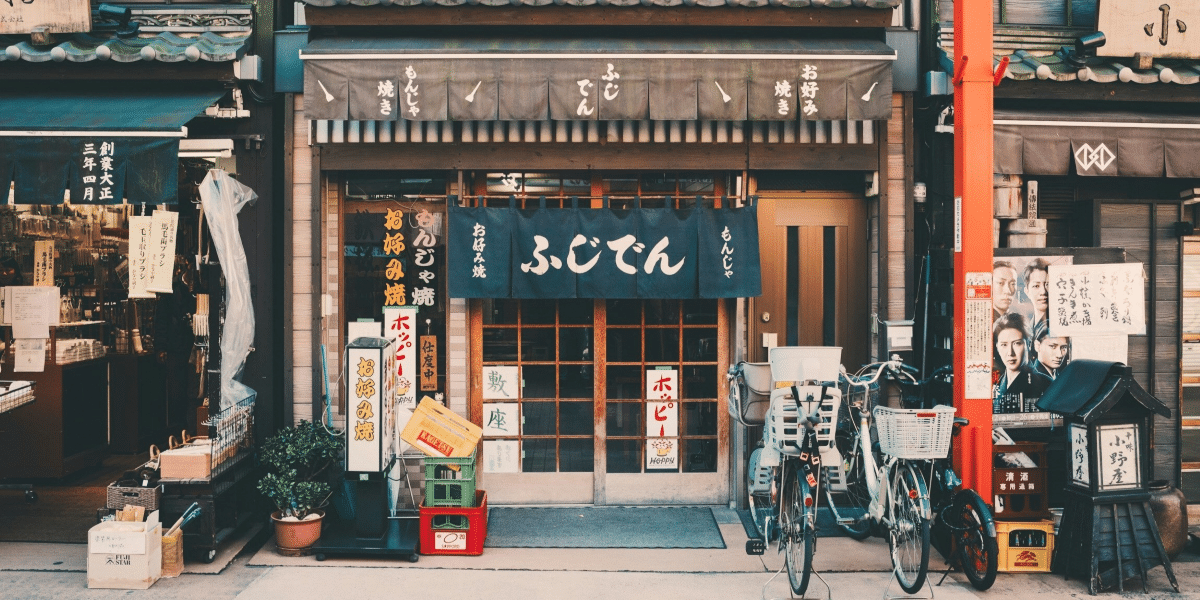
Creating a rustic and antique apartment in the heart of Tokyo might seem like a challenge, given the city’s ultra-modern vibe. Mixing classic wooden furniture with vintage decor can transform your urban apartment into a cozy, rustic retreat. Imagine stepping into a space that feels like a countryside cabin right in the middle of Tokyo’s bustling streets.
To start, look for reclaimed wood furniture and rustic metal fixtures at local flea markets or online stores. Add personality to antique finds like old maps, ornate mirrors, and vintage lamps. You can also incorporate earthy tones and natural textiles to give your apartment a warm, inviting feel.
Remember, the charm lies in the details. Decorate with handmade ceramics, weathered books, and woven baskets. Combining these elements with modern conveniences can make your apartment uniquely beautiful and authentically rustic.
Locating Your Ideal Tokyo Abode
Finding the right apartment in Tokyo involves various factors such as neighborhood choice, costs, apartment types, and understanding the rental process. Knowing these can make your search much smoother.
Navigating Tokyo’s Neighborhoods
Tokyo, a sprawling city with diverse neighborhoods, offers something for everyone. Areas like Shibuya and Shinjuku are bustling with activity and nightlife. In contrast, neighborhoods like Asakusa and Yanaka provide a more traditional feel, perfect for a rustic and antique vibe.
If you’re thinking about where to stay in Tokyo, it all depends on your priorities. If proximity to public transportation is important, consider areas near major train lines. Tokyo’s extensive subway and train network make commuting convenient, so living near a station can save you lots of time. Safety is another major consideration, so research the crime rates and community feel of any neighborhood you’re considering.
Understanding the Costs
Renting in Tokyo comes with several specific costs. Monthly rent can vary greatly depending on location and apartment size. In central Tokyo, rents are typically higher, while areas further out may be more affordable.
Additional costs include a deposit (usually 1-2 months’ rent), key money (a non-refundable gift to the landlord), and an agency fee (around one month’s rent). Be sure to budget for these upfront expenses and also consider ongoing utilities and maintenance fees.
Apartment Types and Sizes
Apartments in Tokyo come in various types and sizes, from studio apartments (known as “1R”) to larger multi-room units. If you’re looking for something rustic and antique, older buildings in historical areas might be suitable. These apartments often have traditional features like tatami mats and wooden beams.
Sizes can be much smaller compared to Western standards. A 1K apartment, for example, includes one room and a kitchen area, while a 2DK has two rooms, a dining area, and a kitchen. Make sure to visit potential apartments to get a feel for the space.
The Rental Process
Renting an apartment in Tokyo involves a few steps. First, you’ll need the necessary paperwork, such as a valid visa, ID, proof of income, and sometimes a Japanese guarantor. The rental process includes finding an apartment through an agency, paying the required fees, and signing a lease.
Be prepared for lots of paperwork and a formal application process. Language can be a barrier, so having a Japanese-speaking friend or hiring a bilingual agent can be incredibly helpful. Once approved, you’ll coordinate a move-in date and handle any final logistics.
Infusing Tradition into Modern Living
Combining rustic and antique elements with modern convenience can create an inviting and functional space. You can get some iron bed frames (Learn dating antique iron beds). By focusing on incorporating antique pieces and balancing aesthetics with practicality, you can achieve a unique interior design for a Tokyo apartment.
Incorporating Antique Elements
To bring a touch of tradition into your apartment, look for antique furniture and decorative items. Think of wooden chests for storage, vintage dining tables, and classic wooden chairs. These items add a rustic charm to your home.
Scour local markets and antique shops. In Tokyo, you’ll find gems that fit perfectly into a minimalist setting. Look for oriental rugs, handcrafted lamps, and old-style kitchenware. These pieces infuse the living areas with warmth and history.
Mix old and new without overcrowding your space. Integrate an antique bookshelf in your LDK (Living, Dining, Kitchen) area. It adds character and provides storage for books and decor items. Adding traditional pottery and tea sets also enhances the dining experience.
Balancing Aesthetics and Convenience
While incorporating rustic elements, ensure your apartment remains practical and comfortable. Choose furniture that serves dual purposes. For example, a wooden trunk can be used for both storage and as a coffee table.
Focus on comfort in the living areas. Use soft textiles and cushions with traditional patterns like ikat or shibori. These not only add to the aesthetic but also make your space cozy.
In the kitchen, integrate modern appliances while keeping aesthetics simple and minimalist. Use open shelving with traditional Japanese ceramics. Maintain a functional layout that makes cooking easy without compromising on style.
Japanese apartments often have limited space, so avoid over-cluttering. Select items that are visually pleasing but do not hinder everyday activities. By balancing style with functionality, you can create a harmonious living environment.
Exploring Local Amenities and Services
Living in the heart of Tokyo offers a range of conveniences, ensuring you have access to great food, reliable utilities, and vibrant entertainment options. Whether you are new to the city or a long-time resident, you will find plenty of amenities to suit your needs.
Food and Dining Options Nearby
Tokyo’s central districts are packed with a variety of dining options. For a quick and cheap meal, convenience stores like 7-Eleven, FamilyMart, and Lawson are everywhere, offering everything from onigiri to bento boxes.
If you prefer eating out, you’ll find numerous izakayas, ramen shops, and sushi bars. Places like Ichiran Ramen and Sushizanmai are popular choices. If you’re in the mood for international cuisine, options abound, including Italian, French, and American restaurants. Many eateries also provide English menus, making it easier for non-Japanese speakers to place orders.
Access to Internet and Utilities
Setting up utilities in Tokyo is straightforward. Internet providers like SoftBank, NTT Docomo, and Au offer various plans, including high-speed fiber optics. The service is reliable, ensuring you stay connected for work or leisure.
Electricity, gas, and water services are handled by companies such as TEPCO and Tokyo Gas. You can set these up either through your landlord or directly with the service providers. For newcomers, websites like GaijinPot offer guides to assist with the process. Be mindful of signing contracts, especially if your Japanese is limited; many companies offer English support.
Entertainment and Nightlife
Tokyo’s nightlife and entertainment scenes are some of the vibrant in the world. For live music and shows, head to neighborhoods like Shibuya and Roppongi. Clubs and bars like Womb and AgeHa offer a mix of local and international DJ sets.
If you prefer a quieter evening, visit the numerous cinemas or enjoy a night at a karaoke bar. The city also boasts a variety of cultural venues, including theaters showcasing traditional Kabuki performances. No matter your preference, Tokyo’s entertainment options ensure you’ll find something enjoyable to do every night of the week.
Embracing the Cultural Tapestry of Tokyo
When you immerse yourself in Tokyo’s vibrant culture, you’ll discover an enchanting mix of traditional and modern influences. From participating in seasonal festivities to exploring ancient temples and understanding everyday customs, there’s always something exciting to experience.
Seasonal Festivities and Nature Spots
Tokyo’s seasons bring unique festivities and beautiful nature spots that you’ll love. In spring, cherry blossoms burst into bloom, and locals gather in parks for hanami picnics. Don’t miss Shinjuku Gyoen and Ueno Park for the ideal views.
In summer, enjoy the colorful matsuri (festivals) like the Sumida River Fireworks Festival. Fall offers stunning foliage in places like Rikugien Garden. Winter illuminations turn spots like Roppongi Hills into sparkling wonderlands. Experiencing these seasonal events helps you connect with Japanese traditions.
Temples, Shrines, and Historical Sights
Exploring Tokyo’s temples and shrines gives you a glimpse into its spiritual and historical heritage. Start with the iconic Senso-ji Temple in Asakusa. Nearby, you’ll find smaller shrines like Asakusa Shrine, which is steeped in history.
Visit Meiji Shrine in Harajuku, a serene escape despite its central location. For a deeper dive, try the East Gardens of the Imperial Palace. Each site reflects different periods of Japan’s rich history. Don’t forget to pick up some unique souvenirs at temple markets.
Local Customs and Language Tips
Understanding local customs enhances your experience. Bowing is common in greetings, and it’s polite to remove your shoes when entering homes. Eating noodles loudly is seen as a compliment to the chef.
Learn a few phrases like “Arigatou” (thank you) and “Sumimasen” (excuse me/sorry). These small language efforts go a long way in building a positive connection. Joining a tea ceremony or dining in a traditional ramen shop deepens your appreciation for Japanese hospitality.
Published By: Aize Perez