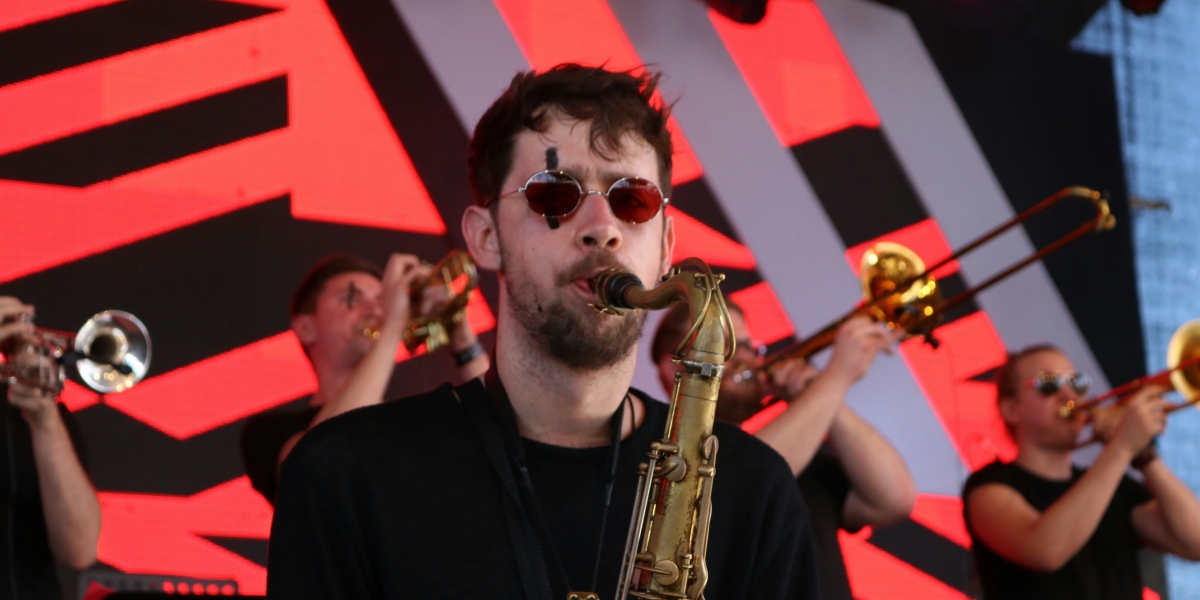
Miami’s jazz calendar is entering 2026 with uncommon momentum—an energetic convergence of global festivals, neighborhood concerts, historic tributes, and genre-blending performances. Taken together, the early-year lineup reinforces the city’s identity as both a crossroads of international jazz culture and a living incubator for local creativity.
One recent overview of Miami’s early-2026 programming describes the scene as absorbing Caribbean rhythm, global influence, and contemporary experimentation while still honoring jazz history—mirroring the city’s own diasporic character.
That hybridity is visible across the calendar: from intimate theater concerts to large outdoor festivals and community-centered celebrations spanning Miami Beach, Coconut Grove, Pinecrest, and Miami Gardens.
Global Prestige Meets Waterfront Miami
Among the most significant cultural arrivals is the Montreux Jazz Festival Miami, the U.S. extension of the legendary Swiss event often regarded as one of the world’s premier jazz gatherings.
The 2026 edition expands to five nights of programming from February 25 to March 1, opening with a Miles Davis centennial tribute and continuing with artists including Makaya McCraven, Jon Batiste, Trombone Shorty, Nile Rodgers & CHIC, TOTO, Bomba Estéreo, and Pedrito Martinez.
City officials framed the expansion as culturally meaningful, noting the festival’s global stature and the honor of hosting it locally.
Beyond headline concerts, Montreux’s Miami edition emphasizes intimacy, spontaneous collaborations, and cross-genre exchange, echoing the creative spirit that made the original festival famous.
Community Roots And Educational Legacy
While Montreux brings international prestige, Miami’s jazz ecosystem is equally defined by homegrown institutions.
The Melton Mustafa Jazz Festival, running February 26 through March 1, blends concerts, workshops, and student engagement across multiple venues—continuing a nearly three-decade tradition founded by Miami-born trumpeter Melton Mustafa Sr.
Programming ranges from dinner concerts to big-band showcases and culminates in a performance by the Melton Mustafa Orchestra, highlighting collaboration between professionals, educators, and emerging musicians.
This educational dimension underscores jazz’s enduring civic role in Miami: not just performance, but mentorship, preservation, and community memory.
Signature Festivals Celebrating Black Music And Culture
Few events embody jazz’s cultural breadth like Jazz in the Gardens, now approaching two decades as a multigenerational celebration of Black music rooted in jazz but spanning R&B, hip-hop, and soul.
The 2026 lineup expands that legacy with performers including Jhené Aiko, Ludacris, The Isley Brothers, Stephanie Mills, El DeBarge, Nelly, and Ashanti—illustrating how the festival treats jazz as a foundation rather than a boundary.
Intimate Stages, Timeless Voices
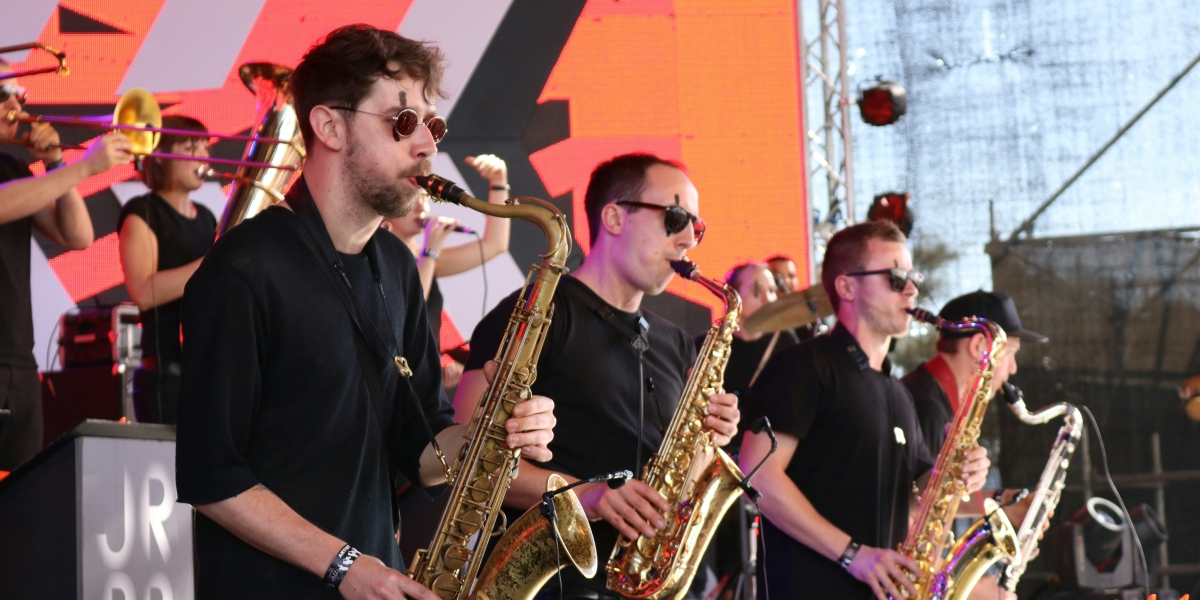
Not all defining moments arrive at festival scale.
Recent performances—from Diana Krall’s emotionally nuanced concert at the Arsht Center to theater-style vocal showcases—highlight Miami’s appetite for close listening and interpretive depth rather than spectacle alone.
Smaller venues and tribute productions further extend that intimacy.
For example, a live program honoring Frank Sinatra and Louis Armstrong reimagines classic standards in an open-air tropical setting designed for connection between musicians and audience.
Meanwhile, seasonal concert series at Pinecrest Gardens bring rising vocalists, genre-bending ensembles, and orchestral tributes into an acoustically rich amphitheater—bridging tradition with experimentation across Valentine’s Day, spring, and beyond.
Accessibility, Public Space, And Everyday Jazz
Miami’s jazz vitality also lives outside ticketed halls.
Free concerts across genres—from bossa nova to alternative sounds—expand public access to live music and reinforce the idea that jazz culture here is embedded in daily urban life, not confined to elite venues.
Events like the South Beach Jazz Festival, marking a milestone anniversary with performances across multiple venues, further demonstrate how the city blends world-class artistry with community inclusion.
Why Early-2026 Matters
Seen together, these festivals, concerts, and tributes reveal a defining pattern:
Miami is not merely hosting jazz—it is shaping its future geography.
International institutions choose the city as a U.S. home.
Local educators cultivate the next generation.
Community festivals reinterpret tradition through contemporary Black music.
Intimate venues preserve the emotional core of the art form.
In early 2026, Miami’s jazz season does more than entertain.
It tells a larger story—of migration, memory, experimentation, and cultural belonging—played out across waterfront stages, neighborhood parks, and midnight jam sessions.
And like jazz itself, the city’s rhythm keeps evolving.