
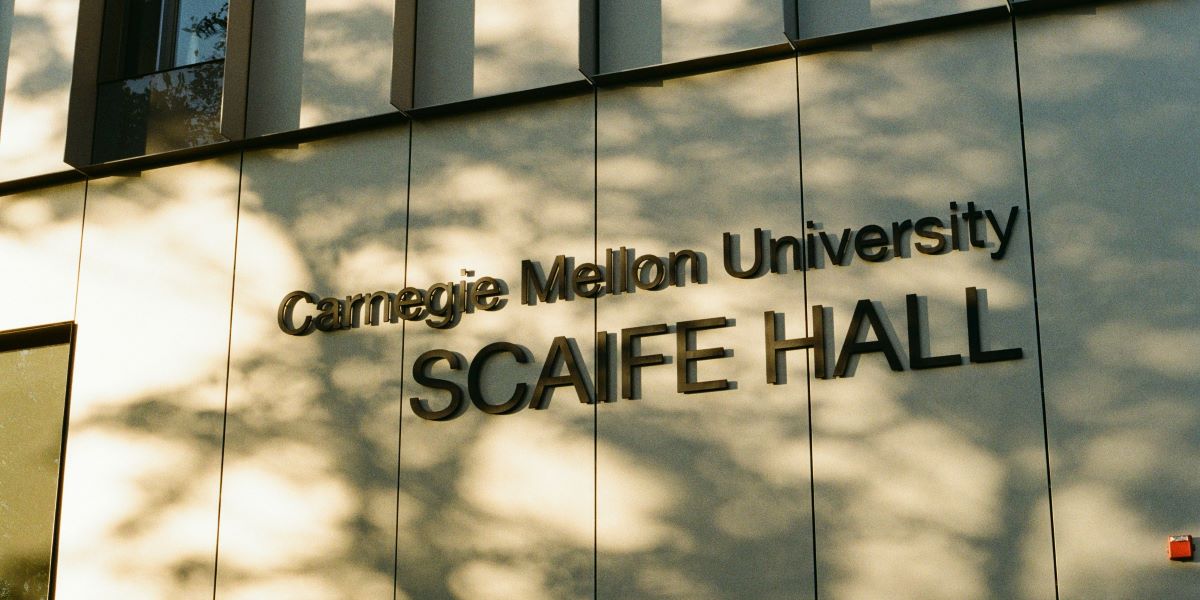
Carnegie Mellon University will open a 35-acre campus in Miami’s Wynwood neighborhood, funded by a $3 billion gift from Citadel founder and CEO Ken Griffin. Of that, $2 billion goes to Carnegie Mellon University Miami. Construction is expected to begin in 2027, the first students arrive in 2028, and plans call for eventually serving more than 3,500 students.
Key Takeaways
- The project includes a $1.1 billion purchase of several Wynwood parcels from developer Moishe Mana, who turned the former warehouse district into an arts hub.
- At full build-out, CMU Miami plans to support nearly 300 faculty and more than 600 staff, pending regulatory approvals.
- The other $1 billion goes to Pittsburgh. Half of it funds the School of Computer Science, which will be renamed the Kenneth C. Griffin School of Computer Science.
- Carnegie Mellon describes the gift as the largest by an individual in the history of higher education.
- Griffin has committed roughly $2.4 billion to South Florida causes since moving Citadel from Chicago to Miami in 2022, according to the university.
- The Miami campus will organize teaching and research around societal challenges rather than traditional academic majors.
Carnegie Mellon University Miami Lands in the Heart of the Arts District
Wynwood was not an obvious place for a research university. Two decades ago the neighborhood was mostly warehouses and empty lots. Then murals went up, galleries moved in, and venues like Mana Wynwood began hosting music festivals and art fairs. The neighborhood’s identity has been built on street art, nightlife, and creative businesses, not lecture halls.
Carnegie Mellon University’s arrival changes that. The 35-acre footprint will make the university one of the largest landholders in a neighborhood where open land is scarce and expensive. The land deal with Moishe Mana gives the developer most responsible for Wynwood’s cultural transformation a direct role in its next phase. Speaking to CBS Miami, Mana described the campus as a continuation of his vision for Wynwood as a place where art, music, and fashion thrive.
The university has not yet said which Mana parcels the campus will occupy or how existing cultural venues on those sites will be affected. Those details will shape how Wynwood’s arts community responds as plans move through regulatory approvals.
A Campus Built Around Challenges Instead of Majors
Carnegie Mellon University says the Miami campus will try a new model for higher education. Instead of organizing students into traditional majors, CMU Miami will build its programs around large societal questions, with interdisciplinary teams drawn from academia, industry, and government.
That approach could fit Wynwood better than a conventional campus would. The university’s announcement says the campus will emphasize creativity, responsibility, and an understanding of the human experience alongside emerging technology. Carnegie Mellon also runs a College of Fine Arts in Pittsburgh, so the university has some background connecting technical research with creative work. Whether CMU Miami builds formal partnerships with Wynwood’s galleries, studios, and music venues is one of the open questions as plans develop.
Carnegie Mellon President Farnam Jahanian has framed the expansion as a response to AI changing how knowledge is produced and how students learn. CMU’s programs in computer science, AI, cybersecurity, and software engineering will anchor the Miami academic offerings.
Miami’s Tech Scene Gets a Research Anchor
Miami’s tech growth over the past several years has come mostly from relocations, venture capital, and startup founders moving south. The city has not had a major research university closely tied to that growth. CMU Miami could help fill that gap by training engineers and researchers locally instead of recruiting them from elsewhere.
Wynwood has already drawn a growing number of tech companies and startups. A campus with nearly 300 faculty and thousands of graduate and undergraduate students would add a steady supply of researchers, potential founders, and new hires to that cluster. Carnegie Mellon’s announcement points to Miami’s role as a hub for finance, technology, global business, and the arts as a reason for choosing the city.
Ken Griffin has pointed to Miami’s community energy and its immigrant population as major reasons for the location. Griffin’s other South Florida commitments include $20 million to Miami Dade College for scholarships for more than 8,000 students from low-income households, along with major gifts to Baptist Health South Florida, the University of Miami Sylvester Comprehensive Cancer Center, and Nicklaus Children’s Hospital.
Wynwood Unveiling Sets the Timeline in Motion
Ken Griffin, Farnam Jahanian, and Governor Ron DeSantis spoke at Unlocked Wynwood on October 1, the day after the announcement. The next milestones are regulatory approvals, the start of construction in 2027, and the first class in 2028.
For Wynwood, the next two years will show how a neighborhood known for murals and music makes room for a major research institution, and whether the two will be connected or simply share the same streets.
FAQs
Where will Carnegie Mellon University Miami be located?
CMU Miami will be built on a 35-acre site in Miami’s Wynwood neighborhood, including land purchased from developer Moishe Mana for about $1.1 billion.
When will CMU Miami open?
Construction is expected to begin in 2027, and the first students are set to enroll in 2028, pending regulatory approvals.
How much did Ken Griffin give to Carnegie Mellon?
Ken Griffin committed $3 billion. Of that, $2 billion goes to launching CMU Miami and $1 billion supports the Pittsburgh campus, including $500 million for the School of Computer Science.
How many students will attend CMU Miami?
The campus is planned to eventually support more than 3,500 undergraduate, master’s, and PhD students, along with nearly 300 faculty and more than 600 staff.
What will students study at CMU Miami?
The university says CMU Miami will organize learning around societal challenges rather than traditional majors, drawing on Carnegie Mellon’s programs in computer science, AI, cybersecurity, and software engineering.