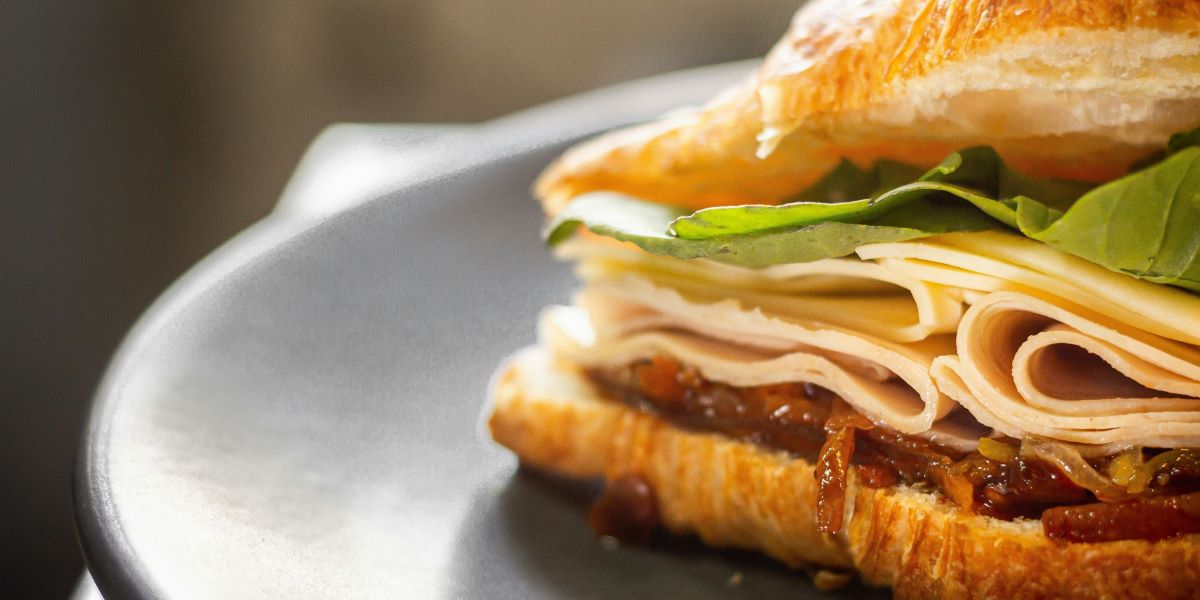
The medianoche sandwich isn’t just a Cuban sandwich on sweet bread. It’s a distinct Miami creation shaped by the city’s late-night culture, refined over decades in restaurants where kitchen shifts ended after midnight and workers needed something portable, satisfying, and fast. The slightly sweet egg bread, pressed until the cheese melts into the pork and ham, creates a balance that sets it apart from its daytime cousin.
Key Takeaways
- The medianoche sandwich uses pan suave, a sweet egg bread similar to challah, which differentiates it from the Cuban sandwich’s crusty pan Cubano.
- The sandwich emerged in Miami’s late-night restaurant culture during the 1970s and 1980s, designed for shift workers who needed quick, portable meals after midnight.
- A hot plancha press is essential to the medianoche, compressing the layers and melting the cheese while crisping the bread in two to three minutes.
- While the core recipe remains stable, the medianoche has found new relevance through food trucks, delivery services, and younger chefs adapting it for modern menus.
Understanding the medianoche requires recognizing that Miami’s food culture operates on two clocks: the daylight economy of cafecitos and croquetas, and the after-hours world where cooks, musicians, and hospitality workers gather once the tourists leave. The medianoche belongs to the second shift, and its construction reflects that practical origin.
What Makes the Medianoche Different From a Cuban Sandwich?
The bread defines the divide. A traditional Cuban sandwich uses crusty, savory pan Cubano that can stand up to hours on a warming shelf. The medianoche relies on pan suave, a soft egg bread similar to challah, with a hint of sweetness that contrasts with the salty pork and pickles inside.
That textural difference changes how the sandwich presses. The sweet bread compresses more easily under heat, creating tighter contact between layers and a chewier bite. The fillings are nearly identical: roasted pork, ham, Swiss cheese, pickles, and mustard, but the softer bread can’t support as much bulk, so proportions shift slightly lighter.

The name itself, meaning midnight, signals when and for whom the sandwich was made. It wasn’t designed for lunch counters or tourist menus. It emerged in the hours when clubs closed and kitchens stayed open for staff, a meal that could be assembled quickly and eaten on the way home.
How Did Late-Night Miami Culture Shape the Sandwich?
Miami’s restaurant and nightlife workers have always operated outside the standard nine-to-five rhythm. In the decades following the Cuban migration waves of the 1960s and 1970s, Little Havana and Hialeah became centers of round-the-clock activity. Cafeterias and diners stayed open late, serving employees from other restaurants, hotel staff, cab drivers, and musicians finishing gigs.
The medianoche fit that schedule perfectly. Sweet bread didn’t go stale as quickly as crusty loaves, and it could be sliced and filled in minutes. The sandwich became a staple of the post-shift meal, something cooks made for each other rather than for paying customers, though it eventually earned a permanent spot on menus across the city.
That late-night origin also explains why the medianoche never traveled as widely as the Cuban sandwich. It belongs to a specific moment in Miami’s daily cycle, less a tourist icon than a local ritual tied to the people who keep the city running after dark.
Why Does the Bread Matter so Much?
Pan suave isn’t interchangeable with other soft breads. The slight sweetness comes from a higher sugar and egg content, and traditional recipes call for lard, which gives the loaf a tender crumb and a faint richness that balances the mustard and pickles. Bakeries across Miami still make it fresh daily, and the quality of the bread determines whether a medianoche succeeds or falls flat.
When pressed, the bread caramelizes slightly on the outside while staying soft inside. That contrast, crisp exterior against yielding center, is what makes the sandwich work. If the bread is too dry, it shatters under the press. If it’s too fresh and moist, it turns gummy. Timing matters.

The bread also absorbs just enough of the pork’s juices and the melted cheese to hold the sandwich together without becoming soggy. A crusty loaf would repel moisture, keeping the layers separate. The medianoche’s architecture depends on that absorption, creating a unified bite rather than distinct strata.
Where Did the Sandwich First Appear?
Pinning down a single origin point is difficult because the medianoche evolved informally across multiple kitchens rather than being invented by one chef. Cafeterias in Little Havana and Westchester served versions in the 1970s, often to customers who requested something lighter than a full Cuban sandwich but more substantial than a pastelito.
What’s clear is that the sandwich didn’t arrive fully formed from Cuba. While sweet breads were common in Cuban baking, the specific combination of egg bread, pressed pork, and midnight service is a Miami adaptation. The city’s mix of Cuban culinary traditions, American diner efficiency, and shift-work culture created the conditions for the medianoche to take shape.
By the 1980s, the sandwich had a name and a reputation. It appeared on menus at spots frequented by musicians, stagehands, and hospitality workers, places where the kitchen stayed open past midnight and understood what people wanted after a long shift. The medianoche became shorthand for a certain kind of Miami experience: late, unhurried, and rooted in the rhythms of working life.
What Role Does the Press Play?
The plancha, or sandwich press, isn’t optional. It compresses the layers, melts the cheese, and crisps the exterior in one motion. Without that pressure and heat, the medianoche is just cold cuts on sweet bread. The press transforms it into something cohesive, where each ingredient melds into the next.
Traditional planchas are heavy cast-iron griddles with a weighted top plate. The sandwich sits on the hot surface, and the weight presses it down evenly, ensuring contact across the entire surface area. The result is a uniform golden-brown crust and interior heat that softens the cheese and warms the pork without drying it out.
Timing the press is a skill. Too short, and the cheese stays solid. Too long, and the bread burns before the center heats through. Most cooks aim for two to three minutes under steady pressure, flipping once to ensure even browning. The medianoche should emerge flat, compact, and hot enough that the first bite releases steam.
How Has the Medianoche Evolved in Miami’s Food Scene?
While the core recipe remains stable, the medianoche has found new audiences as Miami’s food culture has diversified. Restaurants outside traditionally Cuban neighborhoods now serve it, often with slight variations: jalapeños for heat, avocado for richness, or different cheese blends. Purists argue these changes miss the point, but they also signal the sandwich’s staying power.
Food trucks and late-night delivery services have given the medianoche a second wave of relevance. A sandwich designed for shift workers translates easily to the gig economy, where schedules are irregular and meals need to be portable. The medianoche fits into a car cup holder, can be eaten one-handed, and holds up well in a paper wrapper.
Miami Wire has tracked how younger chefs, many raised on medianoches from family-run cafeterias, now incorporate the sandwich into modern menus without stripping away its identity. The bread stays sweet, the press stays hot, and the midnight connection remains, even if the customers arrive at 11 p.m. instead of 1 a.m.
The medianoche endures because it solved a real problem for real people, and that utility never goes out of style. It’s a sandwich built for the end of a shift, the kind of meal that doesn’t need to impress but has to deliver every time. In a city that never quite shuts down, that reliability is its own kind of art.
FAQs
Can the Medianoche Be Made Without a Sandwich Press?
A heavy skillet with a weighted object on top can approximate a plancha’s pressure and heat, but the results won’t be as consistent. The even compression and direct contact with a hot surface are what create the characteristic crisp exterior and melted interior. Without a press, the sandwich will taste fine but lack the structural integrity that defines a proper medianoche.
Is Pan Suave Available Outside Miami?
Some Latin American bakeries in cities with Cuban populations bake pan suave or similar sweet egg breads, but it’s not as widely available as standard sandwich loaves. Challah can serve as a substitute in a pinch, though the flavor profile differs slightly. For the most authentic medianoche, sourcing bread from a Miami bakery or making it from scratch is the best option.
What’s the Best Time of Day to Eat a Medianoche?
Traditionally, the medianoche is an after-midnight meal, eaten by shift workers and night-owl diners. However, Miami cafeterias serve it all day, and there’s no rule against enjoying one for lunch or dinner. The sandwich’s identity is tied to late-night culture, but its flavor works at any hour.
How Long Does a Pressed Medianoche Stay Fresh?
A medianoche is best eaten immediately after pressing, while the bread is still crisp and the cheese is melted. Wrapped in paper, it can hold for an hour or two without significant quality loss, making it ideal for takeout. After that, the bread softens and the sandwich loses its textural contrast.
Do Any Miami Restaurants Specialize Exclusively in Medianoches?
Most Miami cafeterias and Cuban restaurants serve the medianoche alongside other traditional dishes rather than focusing on it exclusively. The sandwich is a menu staple, not a standalone concept, and is typically offered wherever Cuban sandwiches are made. Its strength lies in its ubiquity across the city’s dining landscape.
What Pickles Work Best in a Medianoche?
Dill pickles are the standard choice, providing acidity and crunch that cut through the richness of the pork and cheese. Some cooks use bread-and-butter pickles for a sweeter profile, but that shifts the flavor balance considerably. The pickles should be sliced thin and layered evenly to avoid overpowering the other ingredients.