As February 2026 comes to an end, Miami is hosting several major events to celebrate Black history and culture. These gatherings have seen a large turnout, bringing together residents and visitors to enjoy music, dance, and community spirit. The city’s schedule is packed with activities that range from high-energy dance parties to relaxed jazz markets.
Dancing at the Botanical Garden Groove
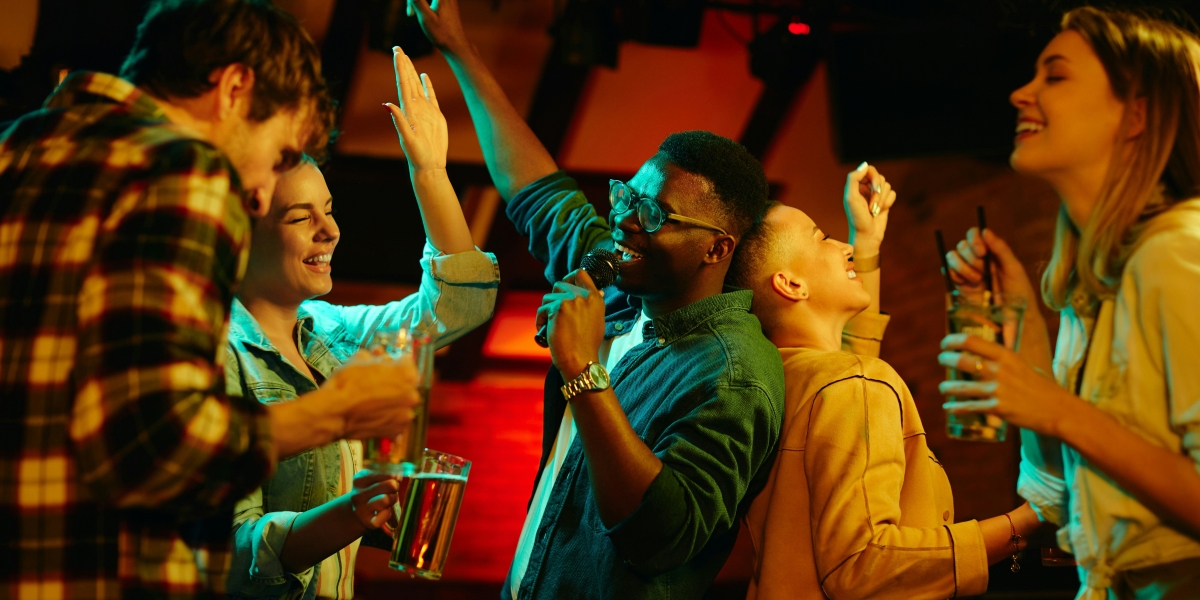
One of the most popular events to close out the month is the Botanical Garden Groove. Held at the Miami Beach Botanical Garden on February 27, this event focuses on the history of Black dance music. It features an exciting lineup of producers and DJs, including Suzi Analogue and local favorites like Natalie Foucauld.
The event is more than just a party; it is a celebration of the evolution of music. Guests can listen to house music, footwork, and club beats while surrounded by the beauty of the garden. Beyond the music, there are creative activities for everyone. People can customize their clothes at a local print shop or take professional photos in a special outdoor studio.
“Close out Black History Month in style with an exciting second edition of Black dance music inside Miami Beach’s Botanical Garden.” — Event Organizers
This gathering shows how modern electronic music is deeply rooted in Black history. By bringing these sounds into a public garden, the city makes the culture accessible to people of all ages.
Five Years of “We Belong Here”
At Historic Virginia Key Beach Park, the “We Belong Here” music festival is celebrating its fifth anniversary. This three-day event, running from February 27 to March 1, has become a staple of the Miami music scene. It is known for its “community-first” design, where the focus is on the environment and the connection between the artists and the dancers.
This year’s festival features famous names like Tiësto, Lane 8, and Kaskade. The location is especially meaningful because Virginia Key was once the only beach in Miami where Black residents were allowed. Today, the festival uses that history to create a space where everyone feels they belong.
“We are ecstatic to reunite on the beautiful Historic Virginia Key Beach Park… This is a place to celebrate, heal, and connect — a place where your true self belongs.” — We Belong Here Team
The festival does not use large LED screens. Instead, it uses soft lighting that matches the natural beach setting. This choice helps guests focus on the music and the people around them rather than just a stage. It is a boutique experience that many people prefer over larger, more crowded festivals.
Community Markets and Live Jazz
For those who enjoy a slower pace, the city also hosted a large community celebration at Charles Hadley Park on February 28. This event, led by local leaders, honors “A Century of Black History Commemorations.” Since 2026 marks 100 years since the start of national Black history celebrations in the United States, the atmosphere is especially festive.
The park event includes a local vendor market where small business owners sell handmade goods, art, and food. Live jazz music plays in the background, creating a relaxed and welcoming environment for families. This market allows the community to support Black entrepreneurs while enjoying the rich musical heritage of the city.
In Miami Beach, the focus has also been on how Black-owned businesses have built the city’s economy. From hotels to retail shops, these businesses are a vital part of what makes Miami unique. Celebrating this history helps ensure that these contributions are recognized by the next generation of residents.
A Century of Tradition
The high turnout for these events is no surprise. For 100 years, the community has worked to keep these stories alive. What started as a small week of recognition in 1926 has grown into a month-long celebration of art, music, and progress.
Organizers of these Miami events point out that the goal is not just to look at the past. It is also about building a better future. By hosting festivals and markets, the city provides a platform for new artists and business owners to grow. The theme of 2026, “A Century of Black History Commemorations,” reflects this long journey of resilience.
“The American Negro must remake his past in order to make his future.” — Arthur A. Schomburg
This quote, often shared during the month, reminds people that understanding history is the key to moving forward. Miami’s events do exactly that by mixing historical education with modern entertainment.
As the final notes of jazz fade and the dance floors at the botanical garden close, the impact of these events remains. The strong turnout proves that people are eager to connect with culture in meaningful ways. Whether through a large beach festival or a local park market, Miami has shown that Black history is a living, breathing part of the city’s identity.
These gatherings provide more than just entertainment. They offer a space for people to learn, share, and support one another. As the city moves into March, the spirit of community and ownership seen throughout February will likely continue to influence the local culture.