Miami residents visiting Panama City for the first time often notice the resemblance before they leave the airport road: a dense waterfront skyline, international banks, a busy restaurant scene and a steady stream of foreign buyers. The comparison has become common among investors watching Panama’s growth. The people who sell property there are more measured about it.
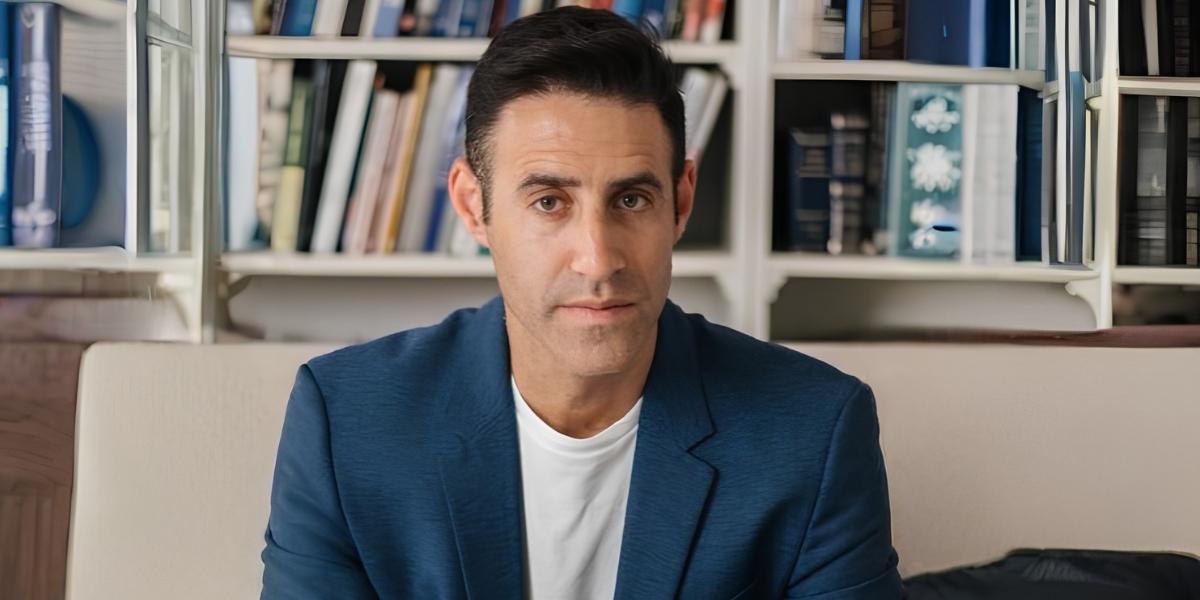
“Miami will always be Miami,” says Jeff Barton, Managing Partner of Panama Sotheby’s International Realty, who moved to Panama in 2007 from Miami. “That needs to be clear.”
Even so, he sees real parallels, along with some meaningful differences that Miami buyers tend to overlook.
Shared Fundamentals
The similarities go beyond the skyline. Both cities run on the US dollar, both serve as financial gateways between North and Latin America, and both have built a reputation for nightlife and dining. Panama City’s banking sector is one of the strongest in the region, and its role as a logistics hub has brought in regional corporate headquarters, much as Miami drew Latin American business over the past few decades.
Both cities’ luxury residential markets also depend heavily on international buyers. In Panama’s case, those buyers come from the US and Canada, from Colombia and other Latin American countries, and increasingly from Europe.
Geography
Panama’s sharpest departure from Miami is geographic. The city sits on the Pacific, and the Caribbean coast is close enough to reach in the same day. Mountain towns with cooler climates are a short drive away.
“You can be in Panama City and quickly be in the Pacific Ocean, the same day in the Caribbean Sea, and you can be up in the mountains,” Jeff says.
The city itself has no swimming beaches, which surprises many first-time visitors. The Pacific beach communities sit roughly 90 minutes west, and buyers frequently start with a city condo before adding or moving to a beach property.
Where Panama Is Ahead
Jeff argues that Panama’s clearest advantage is how easily foreigners can relocate. Residency programs are streamlined and relatively inexpensive, and the country is broadly open to foreigners who want to live there or run businesses. For a Miami resident weighing a second base or a business relocation, that openness lowers the barrier to entry.
Price is the other gap. Oceanfront condominiums with full amenity packages in neighborhoods such as Punta Pacifica can cost half or less of comparable units in Miami.
Where It Trails
Hospitality is where Miami still leads. Its hotel and restaurant service culture is mature, while Panama’s is still developing. Jeff sees investment heading in that direction but says it will take significant resources to close the gap.
The pace of life is also different. Transactions, permits and daily errands move more slowly than many Americans expect, and Panama City’s traffic runs on what Jeff calls “organized chaos.” He says the city has fewer fender benders than most US cities, though newcomers usually need some time to adjust.
Neighborhoods, Not Just Buildings
Like Miami, Panama City divides into distinct lifestyles. The modern city around Punta Pacifica offers oceanfront towers and amenity-heavy living. Nearby Ocean Reef Islands consists of two private, low-rise islands with single-family homes and a marina of more than 100 slips. Casco Viejo, the historic old town, has become the city’s cultural and entertainment district, with walkable streets, cafes, bars and boutique hotels. Some buyers want to live in the middle of that. Others prefer to visit for an evening and go home to a quieter tower.
A Different Stage of Growth
The most useful part of the Miami comparison may be timing. Miami’s international transformation is largely complete, while Panama’s is still underway, and the remaining room for growth is narrowing in specific places. In Punta Pacifica, only two oceanfront lots remain for development, and new projects across the city are launching at double or more the price of buildings completed 10 to 15 years ago.
For Miami buyers, Panama City offers a market with familiar features at an earlier stage, with the trade-offs that come with that stage.
About the Expert: Jeff Barton is Managing Partner of Panama Sotheby’s International Realty in Panama City, Panama, operating through PanamaSothebysRealty.com. With nearly 20 years in Panama’s real estate market, Jeff and his team work with international buyers and investors across Panama City, Casco Viejo, and the Pacific beach communities.
This article is based on information provided by the expert source cited above. It is intended for general informational purposes only and does not constitute legal, financial, or real estate advice. Readers should conduct their own research and consult qualified professionals before making any real estate or financial decisions.