

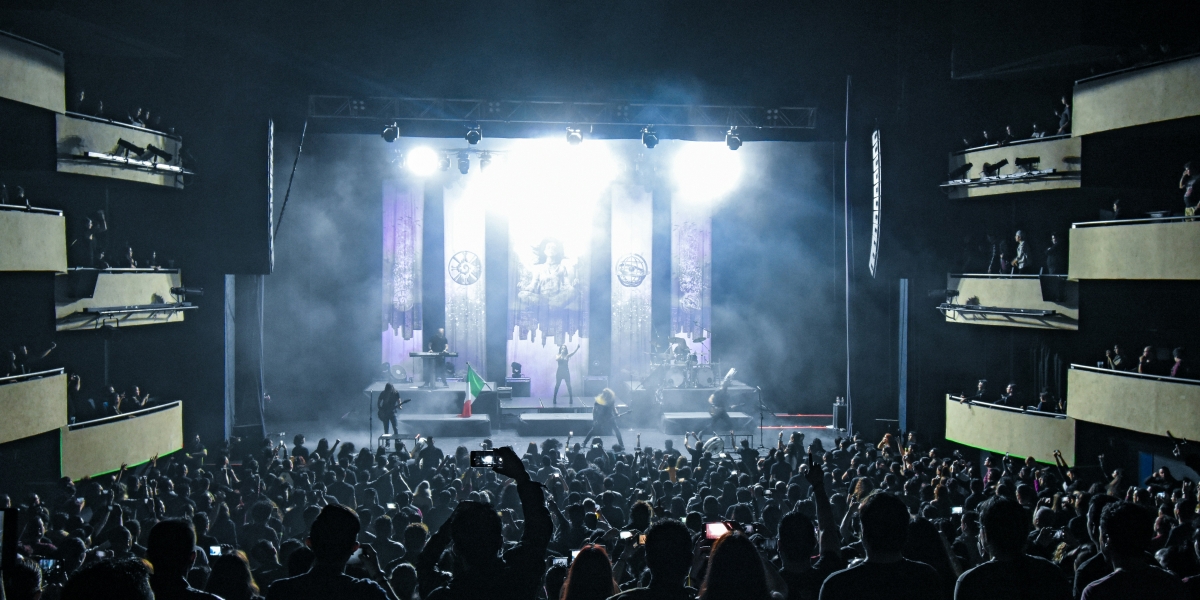
Live entertainment continues to be a vital part of the American economy, generating billions in revenue and supporting countless jobs across the country. Concerts draw large crowds to cities and towns, benefiting local businesses such as hotels, restaurants, and transportation services. Recent years have seen a shift toward immersive experiences, with audiences seeking more than just music—they want interactive elements and memorable visuals. As Kevin Blase notes, major tours by artists like Taylor Swift and Beyoncé illustrate how well-produced concerts can become cultural events, driving ticket sales and boosting related industries.
Planning and Budgeting for Concert Success
Event organizers must define clear objectives and know their target audience, which shapes everything from artist selection to marketing strategies. Allocating funds wisely ensures that every aspect of the show, from production to promotion, is properly resourced. When planning a major event, unforeseen expenses can arise, so building flexibility into the budget is essential. Iconic festivals like Coachella thrive through precise financial management, enabling them to deliver top-tier experiences year after year.
Securing Artists and Venues
Choosing the right artist is crucial, as their popularity and performance style directly impact ticket sales and audience satisfaction. Organizers often negotiate contracts that address not only fees but also technical and hospitality needs. Finding a venue that matches the concert’s scale and fits logistical requirements can be a complex process. In cities with limited large-capacity spaces, creative solutions sometimes come into play, such as transforming outdoor parks or repurposing historic theaters. The synergy between artist and venue sets the stage for a memorable concert experience.
Technical and Logistical Coordination
Behind every seamless concert lies a network of skilled professionals orchestrating lighting, sound, and staging. Coordinating these technical elements requires detailed schedules and clear communication among crews. Event staff must anticipate challenges such as equipment malfunctions or weather disruptions, particularly at outdoor venues. Large-scale productions like those seen at major sports arenas rely on precise timing and backup systems to ensure the show goes on without a hitch.
Marketing, Promotion, and Audience Engagement
Getting the word out about a concert demands a creative, multi-faceted approach. Social media campaigns, targeted advertising, and partnerships with influencers can spark excitement and drive ticket sales. Some promoters have found success by building interactive online communities that encourage fans to share their anticipation and experiences. In today’s digital age, a single viral moment can transform an event’s trajectory, turning a local concert into a must-see phenomenon. Additionally, collaborations with local businesses and pop-up events can build momentum and enhance the overall buzz surrounding the concert.
Event Execution and Performance Review
On event day, attention to detail is critical. Teams must be ready to adapt quickly, whether addressing technical glitches or managing crowd flow. After the last encore, organizers often analyze feedback from attendees and staff to refine their processes. Evaluating financial outcomes and audience satisfaction not only measures success but also informs future events, helping producers continuously raise the bar.