Miami Luxury Moves Toward Intention
Miami’s luxury residential market is entering a more mature phase. Buyers are no longer looking only for polished finishes or dramatic visual statements. They are paying closer attention to architecture, construction quality, long-term value, and how a home supports daily life.
That shift has created space for designers who understand both the creative and technical sides of residential living. Karina Elias, founder of Lupa Design, represents that intersection. Her work connects architectural design, interior direction, construction execution, and personalization in a way that speaks to where Miami luxury is heading.
Lupa Design is a Miami-based residential design studio specializing in high-end custom homes and upscale developer residences. The studio approaches each project as a complete living environment, where architecture, interiors, materials, lighting, and execution work together from the beginning.
A Studio Built Around a Complete Residential Vision
For many luxury homes, design can become fragmented. Architecture may be handled separately from interiors. Construction decisions may come later. Personal details may be added near the end. Karina’s approach is different.
Through Lupa Design, she brings all layers into a single cohesive process. The studio considers how a residence will look, how it will be built, how it will age, and how the client will experience it over time. That level of coordination is especially important in Miami, where high-end homes must respond to both lifestyle expectations and the demands of quality construction.
Karina developed part of her perspective at Strang Design, a respected Miami architecture firm where she built a strong foundation in architectural discipline and construction intelligence. That experience continues to influence her work today. She understands that a beautiful concept must still translate into a home that feels natural, durable, and carefully resolved.
Lupa Design uses that understanding to guide projects from early concept development through final execution. The result is a more controlled process, with fewer gaps between design intent and the finished residence.
The Rise of Refined Developer Residences
Miami’s developer market has become more sophisticated. Buyers evaluating upscale residences now expect more than a clean floor plan and expensive materials. They want homes with a distinct point of view, strong architectural identity, and a sense of permanence.
Lupa Design works with developers to bring market awareness and design discipline to elevated speculative residences. These projects must appeal to a buyer without feeling generic. They need enough restraint to feel timeless and enough character to feel memorable.
Karina’s strength lies in balancing both needs. Developer residences are approached with architectural cohesion, controlled materials, and thoughtful spatial planning. The goal is not to create a home that overwhelms the buyer. The goal is to create a home that feels considered, livable, and lasting.
This approach reflects a broader change in Miami luxury. The market is becoming less dependent on excess and more focused on refinement. Buyers are responding to homes that feel intentional rather than overdone.
Custom Homes Designed Around Real Lives

Private residences require a different kind of listening. A custom home must reflect how a client lives, not just what they admire visually. It should support routines, preferences, privacy, entertaining, family life, rest, and personal expression.
Lupa Design builds custom residences through a deeply personal process. Karina studies the homeowner’s identity, lifestyle, aspirations, and relationship with space. Those details shape the layout, materials, lighting, and emotional tone of the home.
The result is a residence that feels tailored without becoming overly decorated. A room may feel quiet, but still carry depth. A material palette may appear restrained, but still feel warm and specific. A detail may seem simple, but it reveals care through proportion and execution.
This is where Karina’s design philosophy becomes clear. The home is not treated as a showroom. It is treated as a place that should continue to feel meaningful long after the first impression.
Restraint Luxury as a Design Philosophy
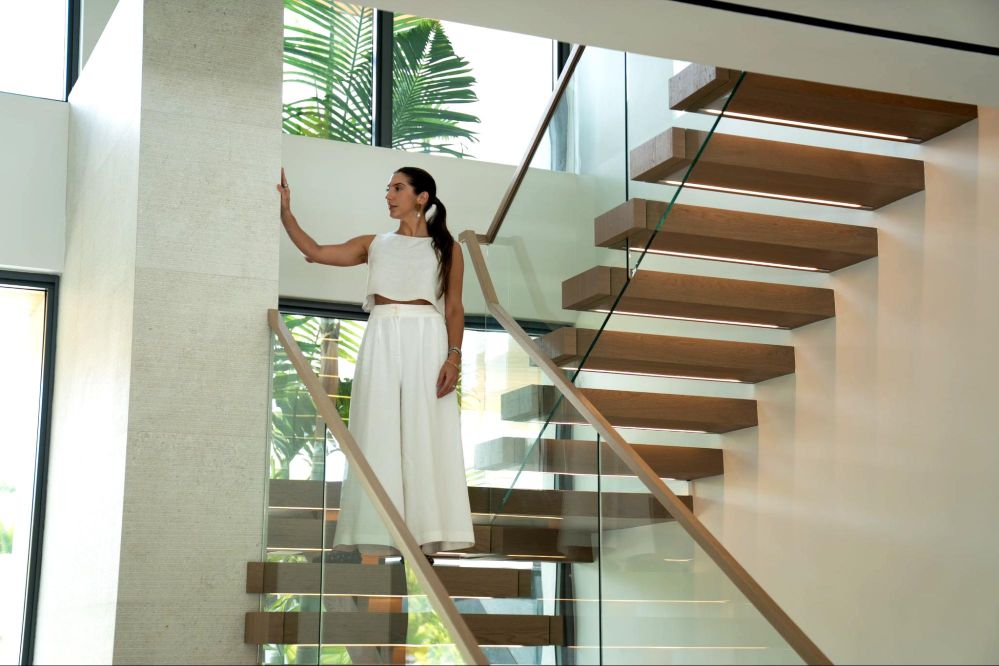
“Luxury doesn’t need to be loud to be felt.”
That quote sits at the heart of Lupa Design and its philosophy of Restraint Luxury. The idea challenges a common view of luxury as something defined by scale, shine, or accumulation. For Karina, luxury is found in clarity, discipline, and emotional connection.
The studio focuses on controlled palettes, natural materials, intentional lighting, and carefully selected architectural moments. Nothing is added just to fill space. Each decision needs a reason. Each detail needs to serve the home’s experience.
This kind of restraint requires confidence. It asks the designer to remove what is unnecessary and protect what matters. It also requires a strong understanding of proportion, construction, and material behavior. A quiet space leaves little room for careless execution.
Lupa Design uses restraint not as a limitation, but as a way to create strength. A home can feel warm, personal, and visually rich without relying on excess. That balance is especially relevant in Miami, where the next chapter of luxury living is becoming more refined.
Architecture, Interiors, and Construction Working Together
One of the defining qualities of Karina’s work is the way she connects design vision with construction execution. A luxury residence succeeds when the concept survives the building process. That requires coordination, technical understanding, and steady decision-making.
Lupa Design operates with that reality in mind. The studio does not treat architecture and interiors as separate conversations. Materials, lighting, built elements, furniture, and spatial flow are considered part of the same design language.
This integrated method helps create consistency. It also helps preserve the home’s emotional tone. A strong concept can lose power when details are disconnected. Karina’s process keeps the residence aligned from the first idea to the final layer.
For homeowners and developers, that matters. A refined home is not created by one dramatic feature. It is built through many careful decisions that support one another.
The Curatorial Layer Behind the Work
Beyond architecture and interiors, Lupa Design brings a curatorial sensibility to residential design. The studio draws from art, collectible design, travel, and global influences to shape homes that feel personal and complete.
This layer does not compete with the architecture. It deepens it. Art and objects are considered in relation to scale, mood, texture, and the way people move through a space. The result is a home that feels collected over time, even when the design process is highly intentional.
Karina’s approach allows each residence to carry its own identity. A developer project may need broad appeal, while a private home may call for a more intimate expression of the client’s life. In both cases, the curatorial layer helps the space feel finished without feeling forced.
A More Mature Vision for Miami Living
Miami continues to attract global buyers, new development, and design-focused homeowners. As the city grows, its residential market is becoming more selective. Luxury is no longer measured only by size or visibility. It is measured by how well a home is planned, built, and experienced.
Lupa Design fits that moment by offering a quieter and more architectural point of view. The studio’s work reflects a move toward permanence, precision, and personal meaning. Karina Elias is helping define a version of Miami luxury that feels sophisticated without being excessive.
For clients seeking custom residences, the studio offers a process rooted in listening and personalization. For developers, it offers a design perspective that understands market expectations without sacrificing architectural integrity.
That balance is what makes Lupa Design relevant to the next phase of Miami’s residential growth. It reflects a city that is still bold, still ambitious, and increasingly drawn to homes with depth, restraint, and lasting value.