

By: Casey Tibut
Why Restraint and Experience Still Matter
There is a moment when effort stops asking for recognition.
It happens quietly. No announcement. No explanation. Something simply works the way it should, and then steps out of the way. In a culture built on volume, that restraint can feel unusual. Almost disarming.
This is a story about that kind of restraint.
Living Without the Need to Perform
Modern life tends to reward visibility. The loudest ideas often receive attention. The flashiest packaging may earn the click. Even opinions can feel padded, stretched, and repeated until they break through the noise.
The result can be fatigue.
Against that backdrop, there is something oddly calming about encountering work that does not seem interested in applause. No urgency. No inflated language. No pressure to react immediately.
It just exists. Confident enough to wait.
When Experience Shapes Behavior
People who have spent time inside demanding systems tend to carry themselves differently afterward. They plan before acting. They choose words carefully. They value process over presentation.
That mindset doesn’t always stay confined to one chapter of life. It tends to spill into whatever comes next.
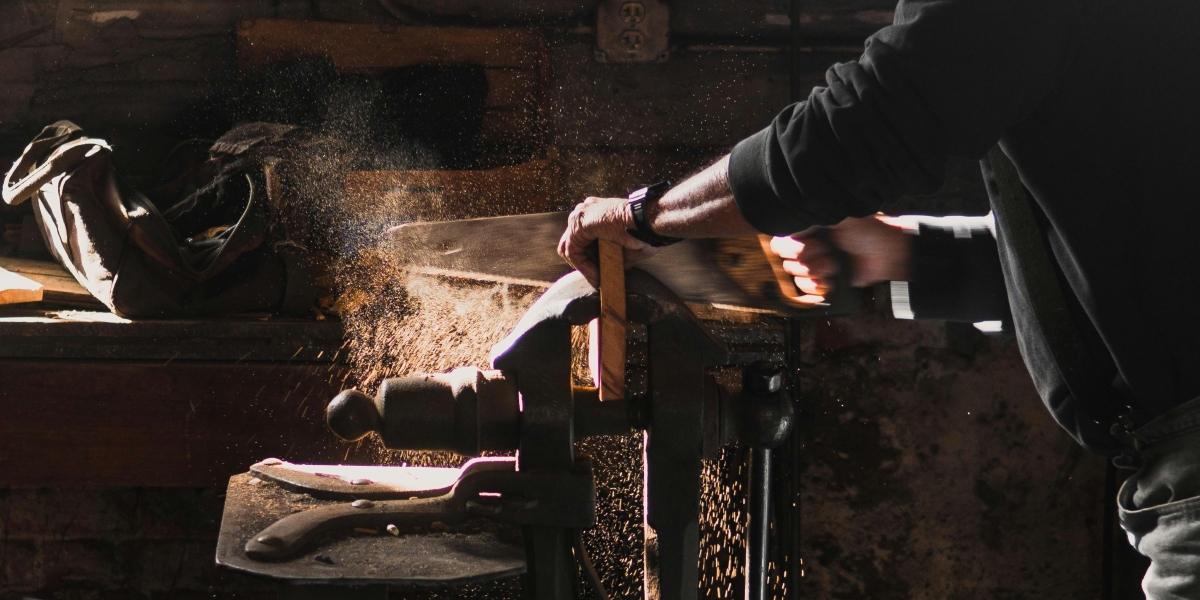
You see it in how they approach craftsmanship. How they resist shortcuts. How they trust consistency instead of novelty. These habits are not always theoretical. They are learned under pressure, refined through repetition, and maintained because they tend to work.
Over time, those traits leave a residue.
The Subtle Mark of Discipline
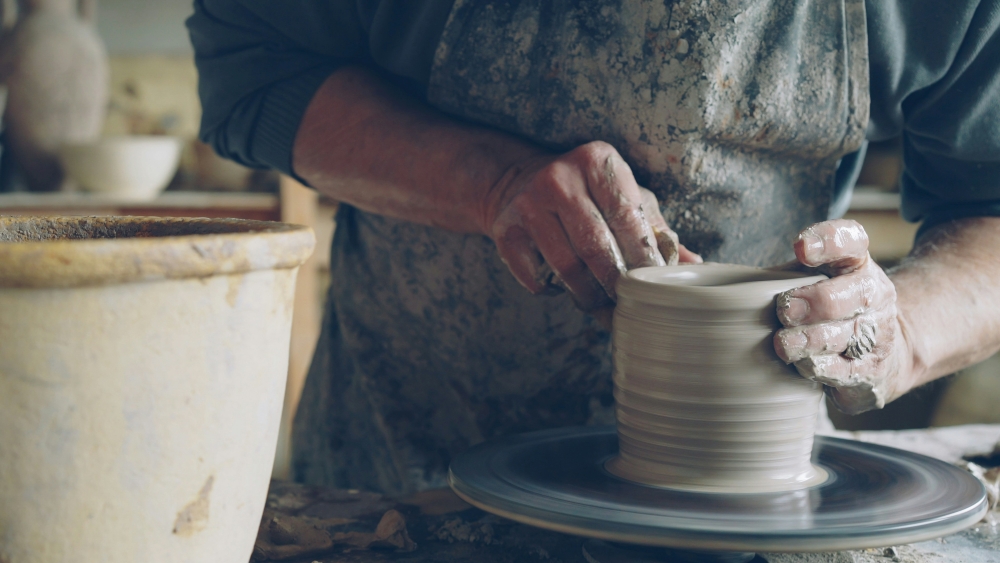
Discipline does not always announce itself. In fact, it often does the opposite.
It shows up as balance. As restraint. As the absence of excess. Things can feel intentional without being rigid. Purposeful without being loud.
This kind of discipline can often be felt even when it is not named. It can show up in projects that feel finished rather than fussed over. In choices that seem settled instead of performative.
Observers might notice it only after the fact, when they realize something has been quietly holding their attention longer than expected.
Discovering Craft in Unexpected Places
Not all examples of thoughtful craft come from traditional spaces. Sometimes they emerge from small, veteran-founded projects built without a marketing playbook or a need for spectacle.
One such example appears in the form of a quietly built military whiskey brand that surfaces less through promotion and more through reputation. It doesn’t position itself as a statement. It behaves more like a byproduct of shared experience, created by people who already understand the cost of doing things poorly.
The appeal doesn’t come from novelty. It comes from the sense that someone cared enough to get the details right and then stop.
That difference might be subtle, but it matters.
Why Restraint Feels Rare Right Now
Restraint does not always travel well on social feeds. It doesn’t often spike metrics. It doesn’t lend itself to bold headlines or viral clips.
But it can endure.
- It shows up in decisions that may age well.
- In products that can remain useful after trends move on.
- In work that feels grounded instead of reactive.
There is a calm embedded in that approach. A sense of order that can feel increasingly scarce. People may not articulate it immediately, but they recognize it when they encounter it.
Often with surprise. Sometimes with relief.
Craft Without the Sales Pitch
The word “craft” has been stretched thin. It appears everywhere, attached to things that might feel rushed, outsourced, or overexplained.
Real craft behaves differently.
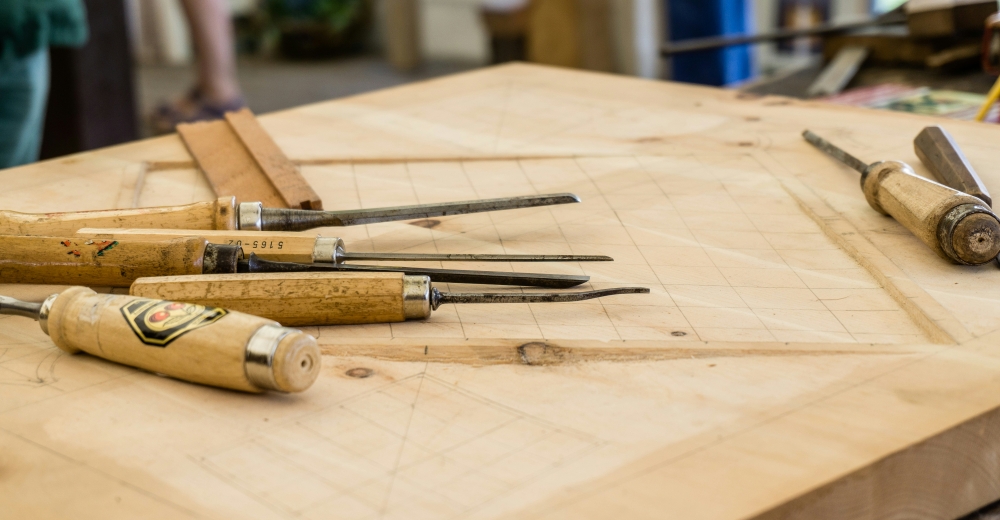
It assumes the result will speak for itself. It doesn’t always require constant justification. It doesn’t feel the need to narrate every decision.
Instead, it relies on coherence. On balance. On the confidence that comes from knowing the work holds up even when nobody is watching.
That confidence can read clearly to those paying attention.
Reliability as a Form of Comfort
Some things are designed to impress on first contact. Others are designed to be returned to.
The second category tends to reveal itself slowly. Appreciation deepens over time. Familiarity doesn’t always breed boredom. It can build trust.
There is comfort in that reliability. In knowing something might meet expectations without demanding effort in return. Especially in a landscape filled with constant updates, rebrands, and reinventions.
Consistency can become its own quiet luxury.
Why This Resonates Now
Many people are increasingly tired of being marketed to. They may crave signals of authenticity, even if they wouldn’t necessarily describe it that way.
They tend to gravitate toward work shaped by lived experience rather than committee decisions. Toward things that feel earned instead of engineered.
When something appears grounded, intentional, and free of unnecessary noise, it tends to stand out precisely because it does not try to.
That recognition may arrive later. After the initial encounter. When the work lingers in memory without having asked for space.
The Things That Stay With You
The most lasting impressions are rarely announced as such.
They arrive quietly. They blend into the background. They reveal their weight over time.
Eventually, it becomes clear that the absence of spectacle was the point. That the work was built to endure rather than perform.
In a world optimized for speed and visibility, that approach can feel almost countercultural.
Which raises a simple question worth sitting with for a moment:
How many well-made things are overlooked every day simply because they are not asking to be noticed?