By: Z-Tech
Expanding a real estate portfolio often feels like progress until the subtle slowdowns become apparent. More properties bring more emails, more meetings, more software, and more opportunities for details to slip through the cracks.
The work still gets done, but moving information from one place to another takes longer, and it becomes harder to see what is actually happening across the portfolio.
At first, teams may be able to adapt by adding another tool, process or method to stay organized. Over time, however, those quick fixes can start to overlap and create even more complexity.
Information spread across multiple places delays decisions, allowing small inefficiencies to compound into larger operational challenges.
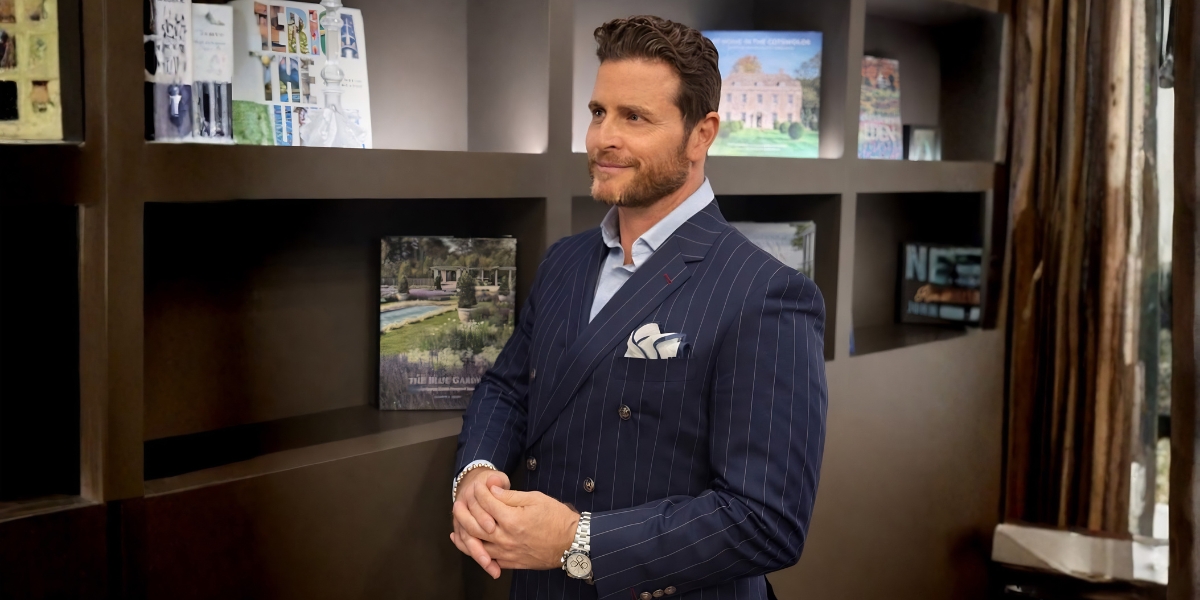
Tim Bratz has faced many of these challenges himself while building his career in multifamily real estate. As the founder of Legacy Wealth Holdings, he manages a significant portfolio of commercial real estate, including rental units across multiple states.
That firsthand experience did more than reveal inefficiencies. It led Bratz to build a solution designed to address them directly.
Smart Management, an AI-enhanced platform he co-founded, consolidates leasing, communication, expenses, tasks and reporting into a single hub, removing the need for teams to juggle disconnected systems.
For Bratz, growing a portfolio is not just about adding more properties. It is about maintaining control over information, ensuring decisions are based on accurate data, and enabling teams to respond quickly when something requires attention.
The Spark That Started Smart Management
Managing thousands of rental units across several different states leaves little room for missed details. When small concerns are not addressed right away, they rarely stay contained to one property.
As Bratz scaled his portfolio, he saw how those minor issues led to missed lease renewals, inconsistent payroll processes, and budgeting problems. In some cases, decisions were being made on instinct rather than data, especially when teams lacked full visibility across the portfolio.
These challenges are common when operations grow faster than the systems supporting them.
Bratz saw how those gaps were connected. Scattered information means one team may work from one set of details while another relies on something else, preventing alignment.
The problem is not effort, but lack of shared visibility. As portfolios grow, managing that gap without piecing together multiple sources becomes harder, and the cost of delay tends to show up later in performance.
“Bad property management accounts for a greater loss in an operator’s bottom line than all of the other external factors that affect rental real estate combined,” Bratz said.
Brian Fast, an investor in one of Bratz’s deals, began sitting in on routine management meetings and noticed a pattern. Instead of making decisions, much of the discussion was spent aligning information across disconnected systems.
“I was approached by one of our investors asking if there was a better way to solve the problems in the way property management is handled,” Bratz explained.
At the time, there was not. Teams relied on multiple software platforms that did not communicate with each other, making coordination harder than necessary.
“Most of our management zoom calls were spent getting everyone on the same page, as opposed to solving problems,” Bratz said.
Without a system that could unify operations, he realized that the only way to solve the problem was to build one.
Smart Management: Where Everything Comes Together
When Tim Bratz and his team designed Smart Management, the goal was to eliminate the need to jump between systems for basic tasks that should already be connected. The platform brings marketing, leasing, task management, expenses, communication, and reporting into one place.
Teams no longer have to switch between tools to understand what is happening on a property or across an entire portfolio.
More importantly, it changes how information flows across an organization. When communication is centralized, decisions can be tracked from beginning to end without losing context. Leadership, on-site teams, and contractors all operate within the same system, reducing friction and minimizing the risk of miscommunication.
“Smart Management takes every aspect of property management and puts it all under one umbrella so that there’s one centralized hub for everyone,” Bratz noted.
That includes every level of the organization, from executive leadership to those handling maintenance on a unit.
With that level of alignment, teams no longer need to dig through emails or switch between platforms to find answers. Communication becomes transparent, consistent and accessible, removing uncertainty around where information lives and who can see it.
“You don’t have to have multiple tabs open, you don’t have to pay for multiple softwares, and you don’t have to wonder if a former employee has something in Gmail that would solve the issue,” Bratz added. “It takes all of the guesswork out of how and where things are communicated and solved.”
Bringing Engineering Expertise Into Property Management
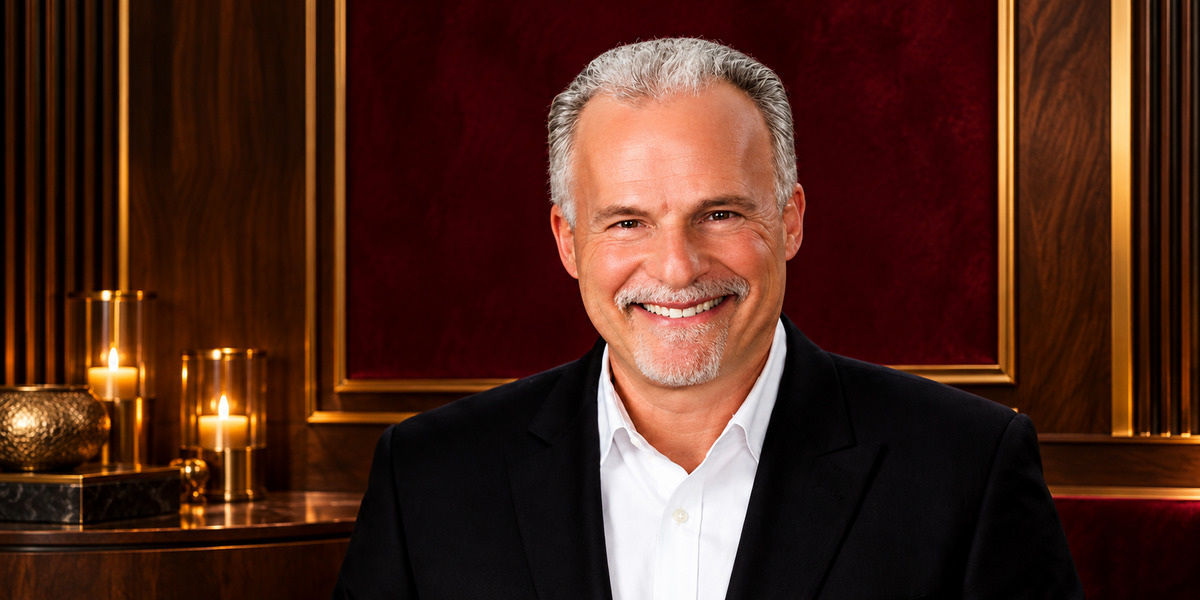
Smart Management’s technical development has been led by Brian Fast, whose background in software engineering spans decades. His experience includes senior roles at top companies such as Northrop Grumman, where he worked on troubleshooting highly complex missile defense systems.
Property management may not operate at that level of technical intensity, but it presents a similar kind of challenge. When teams use multiple disconnected tools, even small inconsistencies can make it harder to stay aligned and respond efficiently.
After seeing those challenges firsthand as an investor, Fast stepped into a more direct role, becoming the lead engineer behind Smart Management and taking responsibility for its technical direction and execution.
From the start, the focus was not on adding more features, but building something teams would actually use.
“Every major feature in Smart Management exists because we experienced those issues ourselves and wanted a better way to spot them sooner,” Bratz said. “The software is built to surface trends and problems early so operators can fix issues before they show up as lost NOI.”
That philosophy shaped how the platform was built. If a system is too complicated to understand or not something teams want to log into, it will not create value, no matter how advanced it may be.
Smart Management emphasizes clarity and usability, with each tool and workflow designed to serve a specific purpose.
When it comes time to onboard, the process is phased and tailored to each portfolio’s daily operations, allowing teams to adopt the system without disrupting how they already work. It also helps teams uncover process improvements they may not have recognized before.
“We’re onboarding early users slowly and intentionally because the goal is long term success, not quick installs,” Bratz explained.
This careful approach has made the platform transformative for users.
“Many of them have said they didn’t realize how fragmented their systems were until everything was finally connected,” he added.
Where Smart Management Is Headed Next
Smart Management’s adoption has been driven in part by Bratz’s broader network of real estate operators and entrepreneurs.
Many were introduced to the platform through his work with Legacy Wealth Holdings and the Legacy Family Mastermind community, then brought it into their own portfolios after running into the same operational challenges at scale.
That early traction has created built-in momentum, where firsthand experience, not promotion, continues to carry the platform forward.
As Smart Management evolves, the focus remains on improving visibility and making information easier to act on. Upcoming updates are aimed at deepening automation, improving alerts and giving teams a more complete view of both operational and financial performance.
AI-driven tools are also in development to help operators spot risks, trends and inefficiencies before they turn into problems.
Property management is where that work begins, but it is not where it ends. The long-term plan is to support owners, operators, investors, and lenders across multiple asset types.
At a practical level, the impact comes down to speed and clarity. For Tim Bratz, the goal is for Smart Management to become the operating platform that closes the gap between what owners think is happening and what is actually happening across their portfolios.
When teams have real-time visibility into performance, staffing, renewals, and expenses, decisions get made faster and problems are addressed earlier. Over time, that clarity brings operations back into focus and gives teams a stronger sense of control as they continue to grow.