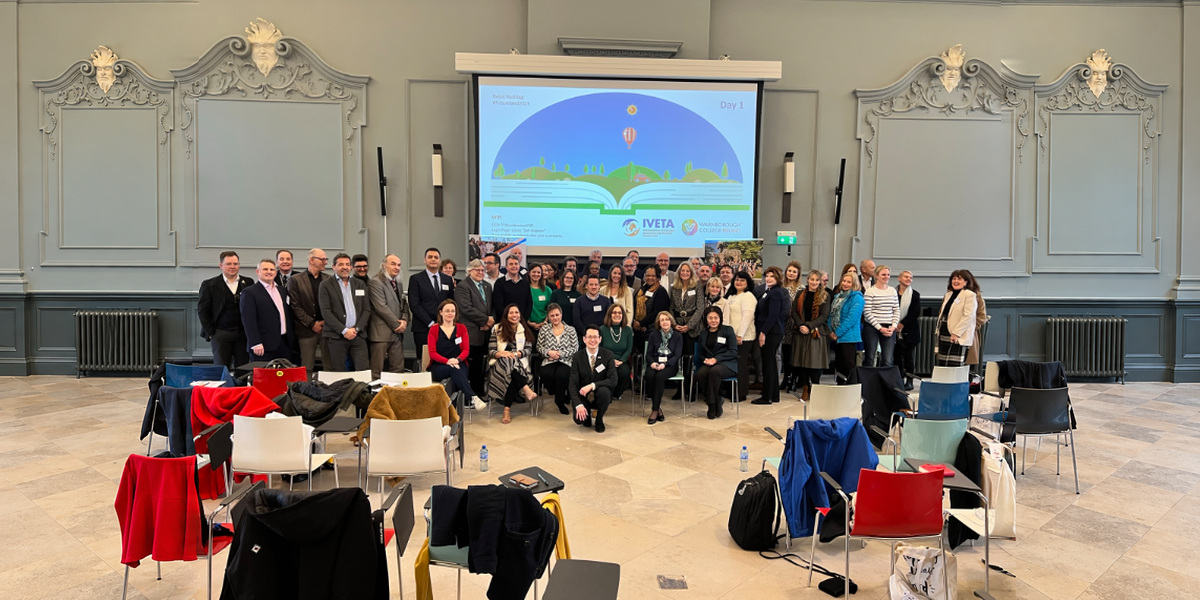
As education continues to evolve beyond traditional geographic boundaries, institutions around the world are increasingly exploring how to build scalable international teaching systems capable of delivering consistent learning experiences across cultures and regions. Liberty / Meridian Institute of Technology University has introduced a structured initiative aimed at training more than 200 global instructors as part of its expanding education ecosystem. Guided by the leadership vision of Dr. Sarah Sun Liew, the initiative represents a strategic effort to combine structured professional education with cross-border collaboration, reflecting broader trends toward decentralized learning networks and globally connected classrooms.
The emergence of international instructor networks reflects a changing reality in higher education and professional training. With the rise of remote learning technologies and distributed workforces, institutions are no longer limited to a single campus or regional audience. Liberty / MIT University’s approach emphasizes the development of a unified instructional framework that allows educators from diverse countries to deliver curriculum aligned with shared standards. This structure is designed not only to maintain educational consistency but also to encourage instructors to bring local cultural perspectives into the learning process, fostering a balance between global coherence and regional relevance.
Dr. Sarah Sun Liew has often emphasized that building a global education network requires intentional leadership development rather than rapid expansion alone. The instructor training program focuses on cultivating communication skills, ethical facilitation practices, and collaborative teaching methods that enable educators to guide learners through complex professional topics. Participants are introduced to structured modules that explore classroom dynamics, digital engagement strategies, and culturally responsive teaching approaches. By emphasizing adaptability alongside structure, the initiative aims to prepare instructors to operate effectively in multicultural learning environments.
One of the defining aspects of the global instructor initiative is its emphasis on mentorship. Experienced educators collaborate with emerging instructors to provide guidance on instructional clarity, participant engagement, and leadership presence. These mentorship relationships extend beyond technical training, encouraging reflective dialogue about teaching philosophy and professional growth. Dr. Liew frequently describes mentorship as a cornerstone of sustainable education, emphasizing that instructors who receive ongoing support are likely to be better equipped to foster meaningful learning experiences for their students.
Technology integration plays a central role in enabling the expansion of this international network. Digital learning platforms allow instructors to participate in remote training sessions, access shared curriculum resources, and collaborate on program development regardless of geographic location. Virtual classrooms and interactive communication tools create opportunities for instructors to exchange ideas in real time, strengthening the sense of community within the network. Observers note that this technology-driven approach aligns with broader global trends in education, where digital infrastructure enables institutions to scale educational access without sacrificing quality.
The initiative also introduces structured certification pathways that aim to help ensure instructional consistency across regions. Instructors engage in staged assessments designed to evaluate their ability to deliver curriculum effectively while maintaining ethical teaching standards. These certification processes are intended to reinforce accountability while allowing educators to adapt content to local cultural contexts. By balancing standardized expectations with flexibility, Liberty / MIT University seeks to create a system that supports both quality assurance and innovation.
Another important dimension of the program involves preparing instructors to facilitate experiential learning environments. Rather than relying solely on lecture-based instruction, educators are encouraged to guide participants through collaborative exercises, real-world case studies, and reflective discussions. This approach reflects Dr. Sarah Sun Liew’s broader educational philosophy that learning becomes most impactful when participants actively engage with ideas rather than passively receive information. Instructors are trained to function as facilitators who encourage dialogue, problem-solving, and critical thinking within diverse professional contexts.
Supporters of the global instructor network argue that empowering educators worldwide can potentially enhance accessibility to professional training. By establishing instructor hubs in different regions, Liberty / MIT University aims to create learning environments that feel culturally relevant while remaining connected to a shared educational mission. This decentralized model allows participants to learn from instructors who understand local challenges and opportunities, fostering a sense of relatability that can help improve engagement and retention.
At the same time, critics have raised questions about maintaining consistent quality across a rapidly expanding international network. Liberty / MIT University has addressed these concerns by implementing structured workflows, documentation standards, and continuous evaluation processes. Instructors are encouraged to participate in regular feedback sessions that allow them to refine their teaching methods while aligning with institutional guidelines. This commitment to ongoing improvement reflects the organization’s effort to balance scalability with educational integrity.
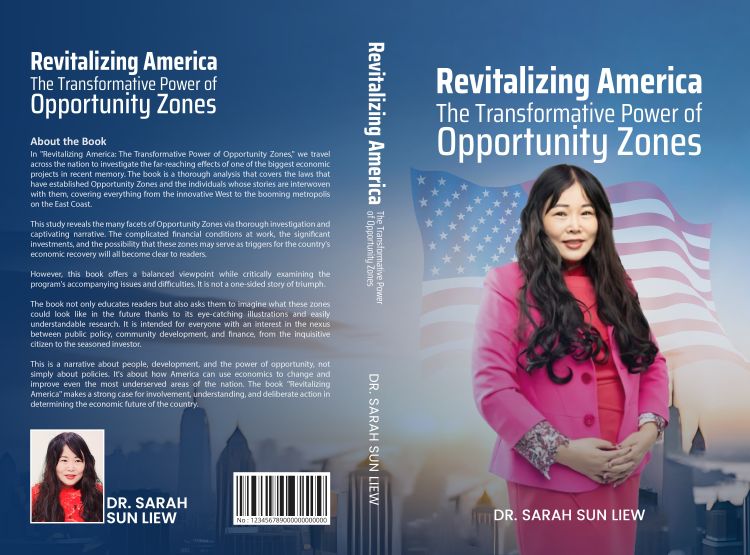
Leadership development remains a central focus throughout the instructor training journey. Workshops explore how educators can cultivate confidence, empathy, and clarity in their communication, emphasizing that effective teaching requires both technical knowledge and interpersonal awareness. Dr. Liew has often highlighted that instructors play a pivotal role in shaping the learning experience, serving not only as content experts but also as mentors who inspire participants to pursue professional growth with purpose and resilience.
The initiative also reflects a broader shift in how institutions view the role of educators within modern professional training environments. Rather than functioning solely as authoritative figures, instructors are encouraged to act as collaborators who guide participants through shared learning experiences. This perspective aligns with evolving educational models that prioritize dialogue, adaptability, and co-creation of knowledge. By empowering instructors to facilitate rather than dictate, Liberty / MIT University seeks to foster a culture of mutual learning that benefits both educators and students.
Global collaboration opportunities further enrich the instructor experience. Through virtual conferences and cross-regional discussions, instructors can exchange insights about teaching methodologies, cultural considerations, and emerging industry trends. These interactions help create a dynamic network where knowledge flows in multiple directions, reinforcing the idea that global education thrives on collective wisdom rather than centralized authority.
Ethical leadership remains an essential theme throughout the program. Training modules encourage instructors to approach their roles with humility, transparency, and a commitment to fostering inclusive learning environments. Discussions often explore how ethical considerations influence communication, curriculum design, and participant engagement, reflecting Dr. Sarah Sun Liew’s belief that education must be grounded in integrity to achieve lasting impact. By embedding values-based leadership into instructor development, the initiative aims to cultivate educators who prioritize both professional excellence and community responsibility.
Technology-supported evaluation tools also play a role in sustaining the network’s growth. Digital dashboards allow instructors to track learning outcomes, reflect on participant feedback, and collaborate with peers to refine their instructional strategies. These tools help ensure that the program remains adaptable to evolving educational needs while maintaining a clear structure for continuous improvement. Observers suggest that such systems represent a forward-thinking approach to managing large-scale education initiatives in a rapidly changing global landscape.
The interdisciplinary nature of the curriculum further enhances the instructor training process. Educators are introduced to topics that span business development, communication strategy, leadership principles, and cultural awareness, allowing them to develop a holistic understanding of the learning ecosystem. By integrating multiple perspectives, the program prepares instructors to address complex professional topics with nuance and adaptability, reflecting the multifaceted nature of modern education.
Looking toward the future, the initiative to train more than 200 global instructors represents a significant milestone in Liberty / MIT University’s broader expansion strategy. The creation of a structured international education network demonstrates how institutions can leverage mentorship, technology, and collaborative leadership to scale educational access responsibly. Dr. Sarah Sun Liew’s vision emphasizes that global education should not be defined by geographic reach alone but by the ability to cultivate meaningful connections that empower both instructors and learners.
Ultimately, the development of a global instructor network reflects an evolving understanding of how education can transcend traditional boundaries while maintaining shared values and standards. By combining structured training pathways with opportunities for cultural exchange and professional growth, Liberty / MIT University aims to build an ecosystem where knowledge is continuously shared, refined, and expanded. As international collaboration becomes increasingly central to the future of education, initiatives like this could play a pivotal role in shaping learning environments that are inclusive, adaptive, and grounded in ethical leadership.

Media Features
AP News Press Release
The US Journal Feature
Author Profile
https://wikitia.com/wiki/Dr._Sarah_Sun_Liew
Direct Contact
(424) 343-7025 / info@meridianwish.com
Learn More
Liberty & MIT (Meridian Institute of Technology)