
Coconut Grove has a new anchor. And it is not a restaurant, a gallery, or a boutique hotel. It is a cybersecurity and AI company that moved to Miami less than a year ago and just tripled its footprint in one of the city’s most coveted neighborhoods.
Iru — an AI-powered IT security and management platform formerly known as Kandji — inked a lease for nearly 92,000 square feet at the Mayfair in the Grove complex, a mixed-use property at 3390 Mary Street and 2901 Florida Avenue in Coconut Grove. According to Savills’ first-quarter 2026 office report, cited by Commercial Observer, this is the largest office lease in Miami recorded so far this year. The deal was confirmed by Mayfair Real Estate Advisors Senior Vice President Chris Dekker, who handles leasing for the property.
The Deal
Iru signed two leases within the mixed-use Mayfair in the Grove complex: 78,000 square feet at 3390 Mary Street and 13,959 square feet at 2901 Florida Avenue, according to a first-quarter 2026 quarterly report from Savills. The combined footprint makes Iru the dominant office tenant in the complex, taking up the majority of its remaining available space.
Iru took most of the remaining office space at the 288,000-square-foot Mayfair in the Grove, a three-building mixed-use asset owned by Palm Beach-based Whalou Properties Management. Carlyle Coffin and Shay Pope of Stream Realty Partners represented Iru in the transaction.
The expansion follows a rapid South Florida growth arc. The lease comes about a year after Iru first opened its East Coast headquarters at Agave Holdings’ The Plaza Coral Gables, where it leased 30,000 square feet. Going from 30,000 square feet in Coral Gables to nearly 92,000 square feet in Coconut Grove — in under twelve months — is not a routine expansion. It is a company making a statement about where it is planting its long-term flag.
Why Coconut Grove, Why Now
The choice of Coconut Grove over Brickell or Wynwood is deliberate and tells a story about how Miami’s tech class is thinking about workspace. Coconut Grove is not Miami’s financial core, and it is not its nightlife district. It is a neighborhood with genuine creative density — surrounded by independent restaurants, the waterfront, and a business community that runs from music industry operators to digital agencies to boutique law firms.
Mayfair in the Grove — also known as Streets of Mayfair — was originally a mall complex known as the Shoppes at Mayfair, but it was converted to Class-A office space. It now houses advertising agencies, recording labels, and the Coconut Grove Arts Festival.
That last tenant is worth noting. The Coconut Grove Arts Festival — one of the oldest and most attended outdoor fine arts festivals in the country — operates out of the same complex where Iru is now headquartered. The cultural texture of the building is part of the pitch to employees.
The new leases came just a month after Mayfair in the Grove nabbed a $114 million refinancing loan after completing a $37 million renovation. At the time of the debt transaction, the 283,000-square-foot property was 98 percent leased, with leases averaging just over eight years. Iru’s arrival filled the remaining inventory, effectively making the complex fully committed.
Who Is Iru?
Iru is a company that provides IT and security solutions, offering a platform that integrates identity, endpoint, and compliance management. The company’s offerings include workforce identity for app access, endpoint management, and compliance automation. It serves sectors that require IT security and compliance, such as financial services and technology companies. Iru was formerly known as Kandji. It was founded in 2018 and is based in San Francisco.
Iru has raised a total of $288.69 million, with investors including General Catalyst, Amazon Web Services, First Round Capital, Greycroft, and Okta Ventures.
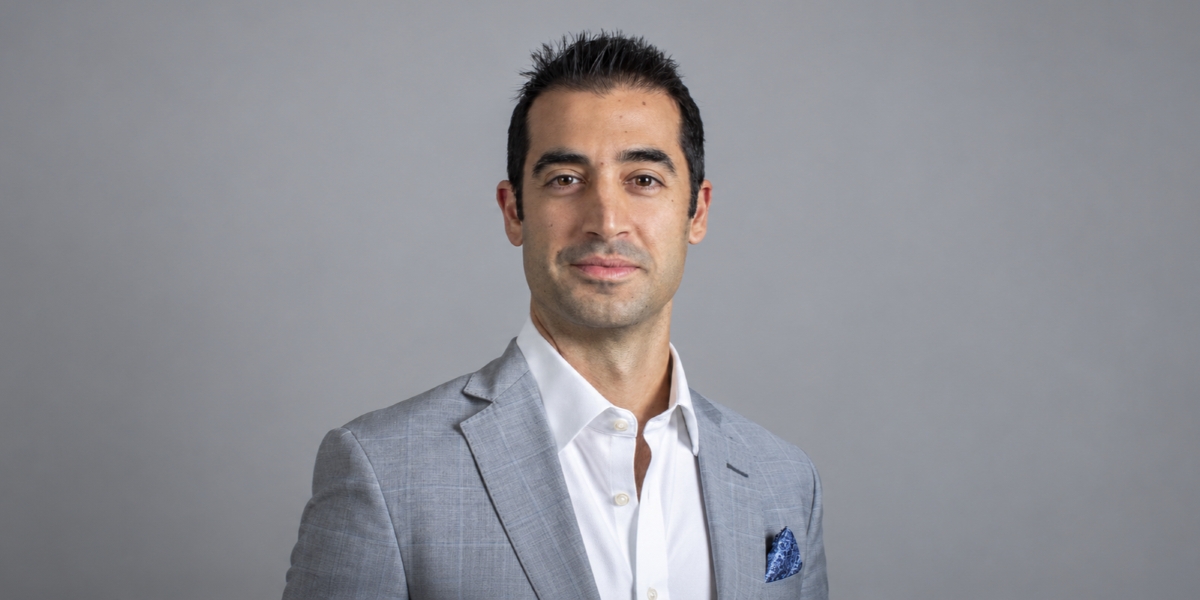
The rebranding from Kandji to Iru in late 2025 coincided with the company’s push to establish a serious East Coast presence — and Miami was the deliberate choice. Iru CEO Adam Pettit said: “Miami has quickly become one of the fastest-growing and leading technology hubs with a thriving entrepreneurial ecosystem, leading the nation in tech job growth and migration.”
That is not boosterism for its own sake. It is an operational calculation. Miami’s lack of state income tax, its proximity to Latin American markets, and its growing pool of technology and finance talent have created a real competitive advantage for companies recruiting at the senior and mid-level simultaneously.
The Broader Signal
Also in April, Adaptive Security — an AI-driven cybersecurity firm — completed a 51,000-square-foot sublease in downtown Miami, absorbing a sizable block of available space. The transaction reflects both the rise of AI-focused companies and the gradual tightening of sublease inventory, a key factor in stabilizing the broader office market.
In Miami’s Brickell district, private equity firm KKR expanded its presence, reinforcing the area’s standing as a financial hub. In Coral Gables, Terrabank committed to approximately 40,000 square feet in a long-term lease, while flexible workspace provider Industrious expanded with a 23,000-square-foot deal.
The pattern across all of these transactions is consistent: companies that arrived in Miami during the 2021–2022 migration wave are now in their second phase — converting their initial exploratory leases into serious, long-term commitments. Iru’s move is the most visible example of that trend in 2026. Much of the hype is now over another influx of tech firms, partly fueled by Florida’s looser data-mining regulations compared with blue states. The Sunshine State’s lack of personal income tax has also turned it into a magnet for high-level executives who are buying mansions here and are expected to open company offices nearby.
What It Means for the Grove
Coconut Grove has spent years navigating its identity — a neighborhood with deep roots in Miami’s bohemian past that has been steadily absorbed into the city’s luxury residential and commercial present. The arrival of a well-capitalized AI company as the anchor tenant of its most prominent mixed-use complex accelerates that transition in a specific direction: toward a tech-adjacent creative district that competes with Wynwood for talent while offering a calmer, more residential-feeling environment.
For Iru’s employees commuting to 3390 Mary St., the pitch is straightforward. The complex sits five miles from Downtown, a short walk from the bayfront, and surrounded by the kind of neighborhood infrastructure — independent coffee shops, galleries, the Arts Festival — that has become a recruiting tool in its own right.
Miami’s tech story has been told in Brickell boardrooms and Wynwood warehouse conversions. The Iru lease suggests its next chapter might be written in Coconut Grove.