
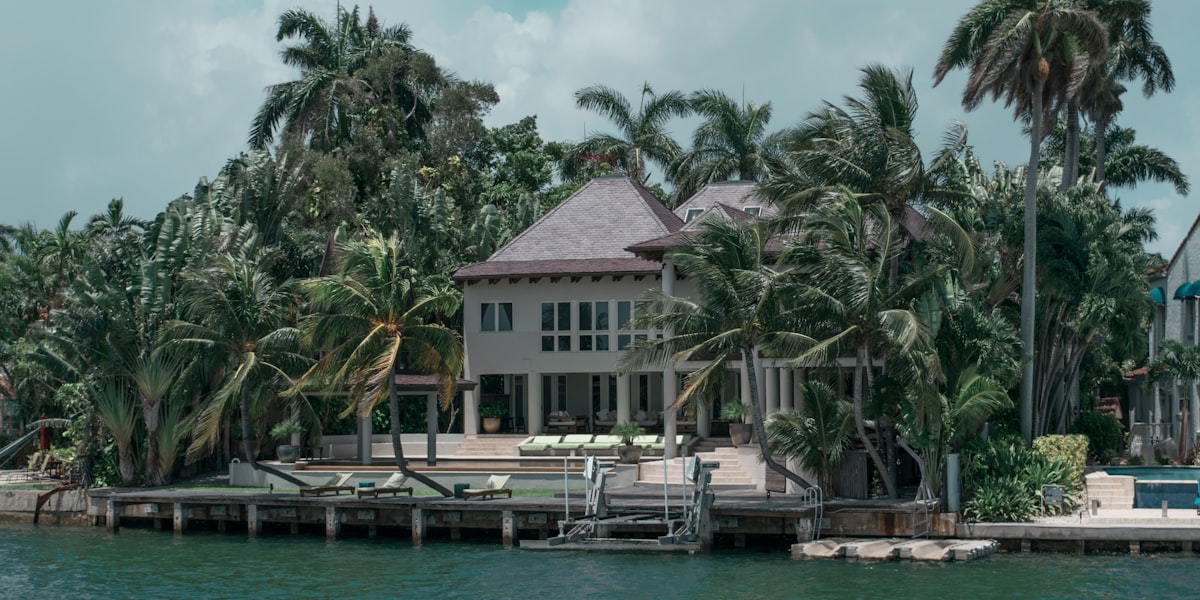
Miami homeowners insurance costs have climbed sharply over the past five years, placing financial pressure on residents across the region. Hurricanes, rising construction expenses, and a shrinking pool of insurers operating in Florida have combined to push premiums to record levels. Understanding the forces behind these increases and the strategies residents are adopting can help homeowners navigate this challenging market.
What’s Driving the Surge in Premiums?
Hurricane risk sits at the center of the insurance crisis. Miami’s coastal location makes it one of the most vulnerable metro areas in the country for tropical storms and hurricanes. Insurers have paid billions in claims following storms like Irma in 2017 and Ian in 2022. Those losses translate directly into higher premiums for policyholders.
Construction costs have also spiked. Rebuilding a home after a major loss now costs significantly more than it did a decade ago, driven by supply chain disruptions, labor shortages, and the price of materials like lumber and concrete. Insurers adjust their rates to reflect these replacement costs, which means policies renew at higher prices even when no storm has occurred.
Reinsurance, the insurance that insurance companies buy to protect themselves, has become far more expensive. Global reinsurers have reduced their exposure to Florida. This forces state-based carriers to pay more for coverage or retain more risk themselves. That increased cost gets passed on to homeowners in the form of higher Miami homeowners insurance costs.
Why Are Insurers Leaving Florida?
More than a dozen property insurers have exited the Florida market or become insolvent since 2022. The reasons are financial. Losses from hurricanes and the rising cost of litigation in Florida have made it unprofitable for many carriers to continue writing policies in the state.
Florida has one of the highest rates of insurance litigation in the country. Homeowners file lawsuits over claim denials or underpayments at rates far exceeding other states. Those legal battles drive up operating costs for insurers. Many carriers decided to withdraw entirely rather than continue absorbing those losses.
The departure of private insurers has pushed more homeowners into Citizens Property Insurance Corporation, the state-backed insurer of last resort. Citizens was designed as a safety net, but it now covers more than a million policies statewide. That concentration of risk creates concerns about the state’s ability to handle claims if a major hurricane strikes.
How Are Residents Responding?
Homeowners are taking several steps to manage Miami homeowners insurance costs. One of the most common is raising deductibles. A higher deductible reduces the monthly premium, though it also means paying more out of pocket if a claim occurs. Many residents accept that trade-off to keep their policies affordable.
Shopping around has become standard practice. Premiums can vary significantly between carriers for the same coverage, so comparing quotes from multiple insurers often yields savings. Some residents work with independent insurance agents who can access a wider range of carriers and policy options.

Upgrading home features to meet wind mitigation standards can lower premiums. Installing impact-resistant windows, reinforcing roof attachments, and adding storm shutters all reduce the risk of damage during a hurricane. Insurers offer discounts for these improvements. The Florida Building Code requires many of these features in new construction.
Bundling policies is another strategy. Combining homeowners insurance with auto or umbrella coverage through the same carrier often unlocks multi-policy discounts. The savings can be substantial, especially for households with multiple vehicles or high-value assets.
What Role Does the State Play?
Florida lawmakers have passed several reforms aimed at stabilizing the insurance market. Recent legislation limited certain types of lawsuits against insurers and created new funding mechanisms to help carriers access reinsurance. The goal is to make the market more attractive to private insurers and reduce the number of policies held by Citizens.
The state also runs programs to help homeowners strengthen their properties. The My Safe Florida Home program offers grants for wind mitigation inspections and retrofits, though funding is limited and subject to legislative appropriations. These programs aim to reduce overall risk and, in turn, bring down Miami homeowners insurance costs over time.
Citizens itself has raised rates in recent years to reduce its exposure and encourage homeowners to move back to the private market. The state views Citizens as a temporary solution, not a long-term replacement for private insurance. Policyholders who receive offers from private carriers are often required to accept them, even if the premium is higher.
Are There Alternative Coverage Options?
Some residents have turned to surplus lines insurers, also known as non-admitted carriers. These companies are not subject to the same rate regulations as admitted insurers. This means they can charge higher premiums but also offer coverage when standard carriers decline. Surplus lines policies do not have the same consumer protections, so homeowners need to review the terms carefully.
Others have reduced their coverage limits or dropped optional endorsements to lower costs. This approach carries risk. If a major loss occurs, the payout may not fully cover the expense of rebuilding. Underinsuring a home to save on premiums can lead to significant financial hardship after a disaster.
A smaller number of homeowners have opted to self-insure, especially those who own properties outright without a mortgage. This strategy requires substantial financial reserves to cover potential losses and is not feasible for most households. For properties with a mortgage, lenders require proof of insurance, making self-insurance impossible.
What Should Homeowners Expect Going Forward?
Miami homeowners insurance costs are unlikely to drop sharply in the near term. Hurricane activity, construction expenses, and reinsurance pricing all remain elevated. Experts expect premiums to stabilize rather than decline, with future increases tied to inflation and storm activity.
Climate projections suggest that hurricane intensity may increase over the coming decades, which could keep upward pressure on rates. Insurers are incorporating these long-term forecasts into their pricing models. That means Miami homeowners may continue to see higher costs even in years without major storms.
Legislative reforms and market competition could bring some relief. If more private insurers return to Florida and Citizens shrinks its policy count, competition may help moderate premium growth. Homeowners who stay informed about policy changes, compare quotes regularly, and invest in risk-reducing home improvements will be best positioned to manage their insurance expenses.
The insurance landscape in Miami remains challenging, shaped by forces both local and global. Residents who understand the drivers of rising costs and take proactive steps to reduce their exposure can navigate the market more effectively, even as premiums continue to climb.