South Florida’s World Cup era opened Monday evening with a Group H contest that delivered the kind of late drama the tournament has already become known for, as Uruguay’s Maxi Araújo salvaged a point in the second half to deny Saudi Arabia another signature upset on the sport’s largest stage.
A Debut Night Built on Drama and a Late Equalizer
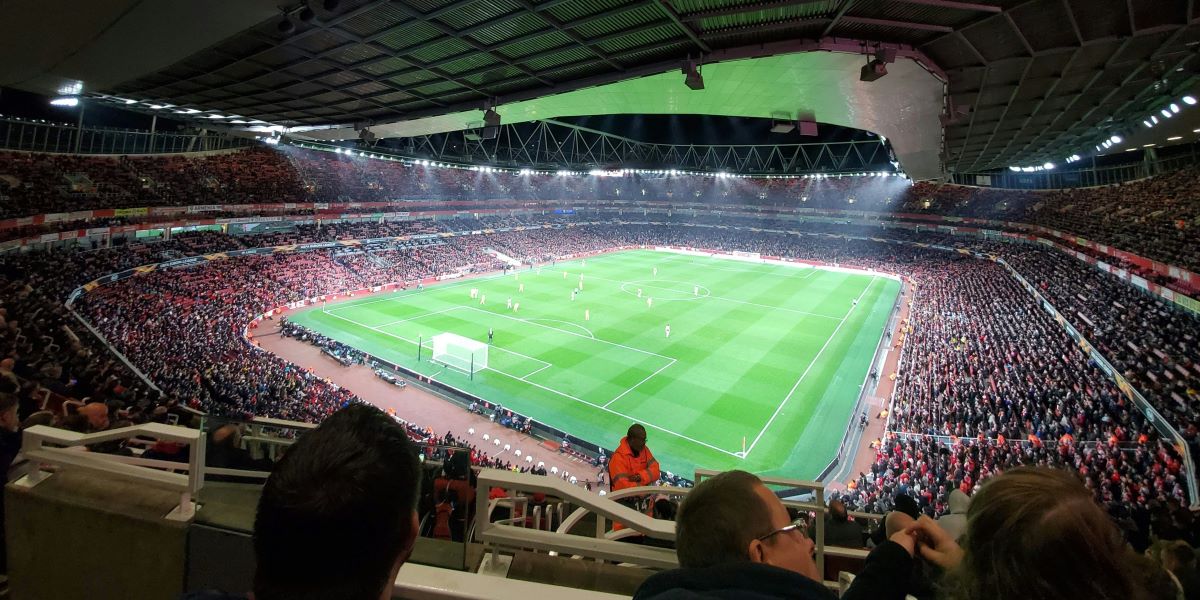
The first FIFA World Cup match in Miami history kicked off at 6 p.m. at Hard Rock Stadium in Miami Gardens — temporarily renamed Miami Stadium under FIFA’s commercial naming policy — before a crowd of approximately 74,916. The venue, home to the Miami Dolphins and a regular host of Super Bowls and international friendlies, took on a different character entirely as Saudi and Uruguayan flags filled sections of the stadium and chants in Arabic and Spanish competed for volume across the lower bowl.
Saudi Arabia took the lead in the 41st minute through center-back Abdulelah Al-Amri, who reacted fastest to a rebound after Uruguay goalkeeper Fernando Muslera had initially saved Mohamed Kanno’s header from a corner kick. Al-Amri turned the loose ball into the net from close range to give the Saudis a halftime advantage that their disciplined defensive structure had earned. For a team that stunned eventual champions Argentina 2-1 in the opening match of the 2022 World Cup in Qatar, holding a lead against two-time World Cup winners Uruguay carried echoes of a growing pattern of Saudi competitiveness at the tournament level.
Uruguay dominated possession throughout — recording 67 percent, the highest figure for any Uruguayan side in a World Cup match since tracking began in 1966 — but struggled to translate territorial control into clear chances during a frustrating first half. Head coach Marcelo Bielsa introduced substitutes in search of creativity, and the pressure eventually told. In the second half, a header that Saudi goalkeeper Mohammed Al Owais failed to hold cleanly fell to Araújo, who buried the rebound to level the match and register Uruguay’s first goal of the 2026 tournament.
The final minutes belonged to Uruguay. Federico Valverde unleashed a shot toward the bottom corner in stoppage time that Al Owais stretched to save, and substitute Brian Rodríguez curled an effort from the edge of the box narrowly wide. Nicolás de la Cruz also forced Al Owais into another late stop as Uruguay pushed for a winner that never arrived. The final whistle confirmed a 1-1 draw — and with Spain having been held 0-0 by debutants Cape Verde earlier in the day in Atlanta, all four teams in Group H opened with a single point.
Seven Matches, a Bronze Final, and a City Transformed
Monday’s draw was the first of seven matches that Hard Rock Stadium will host through July 18, giving Miami one of the most prominent match slates of any U.S. venue in the tournament. The remaining group-stage schedule features Uruguay vs. Cape Verde on June 21, Brazil vs. Scotland on June 24, and Colombia vs. Portugal on June 27 — a match that could bring Cristiano Ronaldo to Miami Gardens in what many expect to be his final World Cup. The venue will then host a Round of 32 fixture on July 3, a quarterfinal on July 11, and the Bronze Final on July 18.
The economic footprint is substantial. The Miami World Cup Host Committee, co-chaired by Rodney Barreto and NBCUniversal executive Beau Ferrari, reports that short-term rental bookings on Airbnb have surged more than 200 percent compared to the same period in 2025. Barreto has described the ripple effect as beginning at Miami International Airport and extending outward through ride-share services, hotels, restaurants, and retail across Miami-Dade County.
Stadium logistics reflected the scale of the undertaking. Parking at Hard Rock Stadium was sold out well in advance, and no general-admission parking was available on match day. The host committee operated free game-day shuttles from four designated transportation hubs for verified ticket holders, while Brightline offered service from its Aventura Station. The City of Miami Gardens implemented extensive road closures around NW 199th Street, NW 27th Avenue, and Don Shula Drive, with strict no-stopping enforcement zones and pedestrian-only corridors that will remain active for all six remaining match days.
Bayfront Park Emerges as Miami’s Second Stadium
Beyond the stadium, the tournament’s presence in downtown Miami is concentrated at the official FIFA Fan Festival at Bayfront Park, which opened June 13 and will run for 23 consecutive days through July 5. The free, 436,000-square-foot waterfront activation features live broadcasts of all 104 World Cup matches on giant screens, a 10,000-capacity concert amphitheater, international food vendors, interactive attractions, and — in a touch unique to the Miami installation — water-powered jet pack demonstrations over Biscayne Bay.
Opening weekend drew thousands of fans from dozens of countries. Pitbull headlined the Saturday launch, and city leaders have embraced the venue as a central gathering point for the tournament’s five-week run. Miami Commissioner Eileen Higgins called the site “Miami’s second stadium” during a preview event, and organizers anticipate up to 30,000 visitors per day during peak periods. The event is funded primarily by Miami-Dade County at an estimated cost of $15 million, with additional contributions from the host committee and corporate sponsors.
After the Fan Festival closes on July 5, the host committee plans to organize public watch parties across Miami-Dade County for the venue’s three remaining matches — the quarterfinal on July 11, the Bronze Final on July 18, and remote broadcasts of the World Cup Final at MetLife Stadium on July 19.
What Comes Next
Uruguay returns to Miami Stadium on June 21 to face Cape Verde, while Saudi Arabia continues its Group H campaign at a separate venue on the same day against Spain. The June 24 fixture — Brazil vs. Scotland — is expected to be the highest-demand match of Miami’s group-stage slate and the first appearance of five-time World Cup champions Brazil in South Florida.
Monday’s result leaves Group H wide open. All four teams sit on one point apiece after matchday one — a congested table that ensures the remaining fixtures in Miami will carry genuine competitive stakes.