
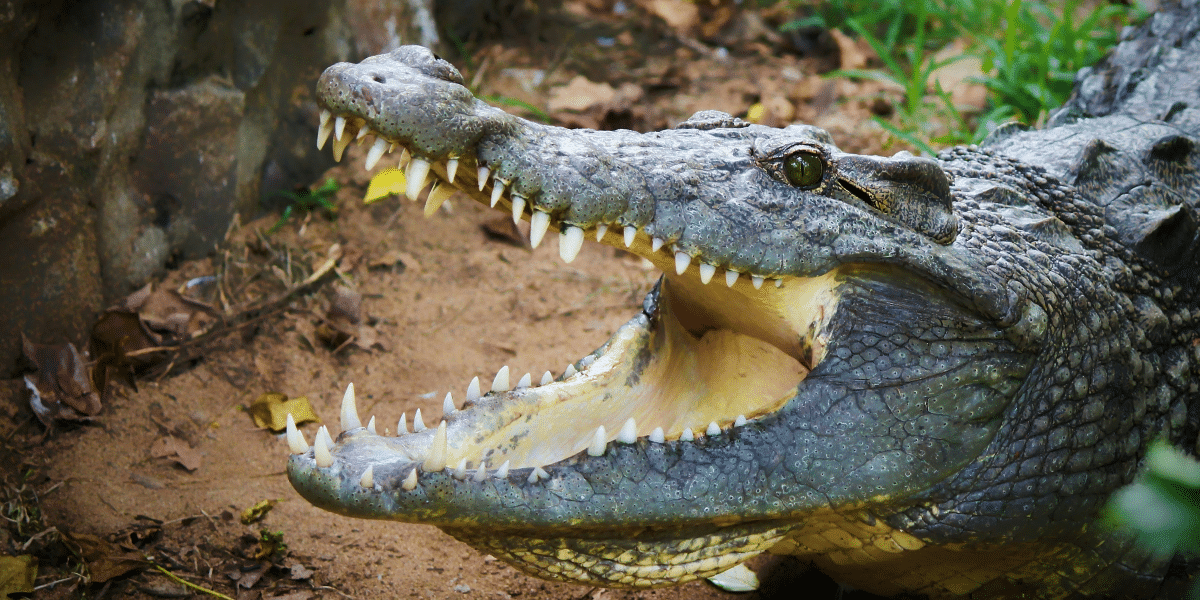
There is a stretch of the South Florida calendar when a sunrise jog along a canal, a glance into the backyard pool, or a drive past a retention pond can come with a prehistoric surprise. This is alligator season, and in greater Miami it is less a curiosity than a recurring fact of life, the predictable consequence of building a sprawling metropolis at the doorstep of the Everglades.
For Miamians, the question is rarely whether a gator will turn up somewhere it is not expected. It is when, and how calmly the neighborhood will handle it.
A Season of Roaming Reptiles
The timing is not random. According to the Florida Fish and Wildlife Conservation Commission, courtship behaviors begin in early April, with mating occurring in May or June, a period when male alligators become more territorial and may displace smaller ones, pushing them into unfamiliar areas. The result is more animals on the move, and sightings in urban areas multiply at dawn and dusk through May and June.
The season does not end with courtship. Females typically lay between 32 and 46 eggs in late June or early July, with hatchlings arriving from mid-August into early September, a nesting stretch when protective females near the water’s edge add another reason for caution. For roughly half the year, in other words, South Florida’s waterways are demonstrably busy.
Why Miami? Geography Is Destiny
The deeper explanation is geography. Florida is home to approximately 1.3 million alligators spread across all 67 counties, with high density in Sarasota, Tampa, Miami, and the Everglades. Miami’s modern footprint was carved from wetlands and laced with canals, lakes, and engineered ponds that double as ideal gator habitat. Golf courses, master-planned subdivisions, and drainage systems all sit within reach of water, and the working assumption among wildlife officials is that any body of water in the region could hold an alligator.
That reframes the dynamic. The animals did not invade the suburbs so much as the suburbs grew into territory the alligators already occupied. Coexistence, then, is not an accident; it is the design.
The Knock at the Door
The encounters that go viral capture the absurd charm of it all. In one widely shared episode this spring, deputies in the Tortuga community responded to reports of an alligator literally appearing to knock at residents’ front doors before it was secured and turned over to a licensed trapper. In another, officers removed a 10-foot alligator found resting beneath a parked car. Pools, porches, and driveways all make the seasonal highlight reel.
Ron Magill, the longtime communications director and wildlife expert at Zoo Miami, has framed the behavior plainly, noting that alligators “operate on instinct, not as much on intelligence.” During mating season, that instinct sends roaming males across roads and lawns in search of territory, which is how a reptile ends up somewhere a homeowner least expects.
How Risky Is It, Really?
For all the dramatic footage, the day-to-day danger is low. The FWC puts the odds of a Florida resident suffering a serious unprovoked alligator attack at roughly one in 3.1 million. Most encounters end with an animal sunning itself, ignoring passersby, or slipping back into the water.
The behavior that changes that math is feeding. When people offer food, alligators lose their natural wariness and begin associating humans with an easy meal, which is precisely why feeding wild alligators is illegal in Florida. A fed gator is a dangerous gator, and a relocated or euthanized one soon after.
Living the Gator Life
South Floridians have absorbed a practical etiquette for the season, the wildlife equivalent of stocking up before a hurricane. Officials advise keeping a respectful distance, never feeding the animals, swimming only in designated areas during daylight, and keeping pets leashed and away from the water’s edge, since small dogs near a canal can look like prey. Dawn and dusk call for extra awareness.
When an animal turns genuinely threatening, the response is built in. Residents can call the FWC’s Statewide Nuisance Alligator Hotline at 866-FWC-GATOR, which dispatches contracted trappers to remove the animal. The system runs often enough that, for many longtime locals, a gator in the cul-de-sac is a story to tell, not a crisis.
That blend of vigilance and shrug is its own kind of Miami fluency. The city has always defined itself by its proximity to the wild, and for a few months each year, the wild simply returns the visit, settling onto a pool deck or a front step as a reminder of whose backyard this was first.