
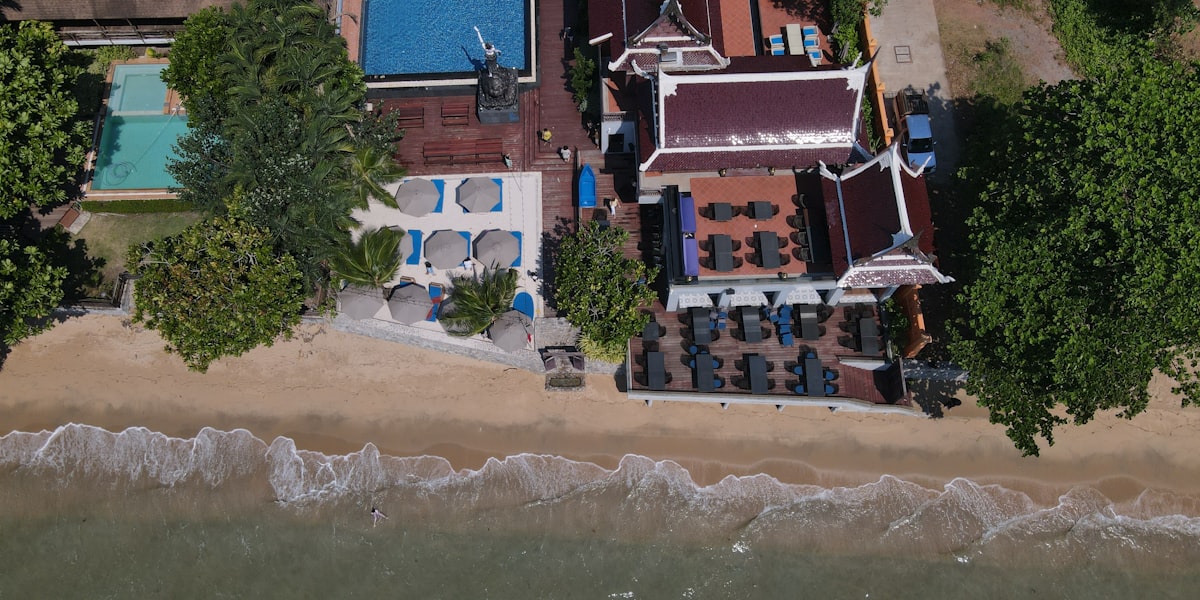
The W South Beach at 2201 Collins Avenue will close on August 20 for a full-property conversion into Waldorf Astoria Miami Beach, marking the luxury brand’s first hotel in the city and eliminating 337 jobs in the process. Hilton and property owner Reuben Brothers announced the management agreement on July 7, confirming that the 20-story oceanfront resort will exit Marriott’s portfolio, undergo building-wide renovations designed by Avenue Interior Design, and reopen under Hilton’s flag in winter 2027.
Key Takeaways
- Hilton and Reuben Brothers will convert the W South Beach into Waldorf Astoria Miami Beach, the brand’s first property in the city, with a planned winter 2027 reopening
- The hotel filed a WARN Act notice on June 18 documenting the permanent termination of 337 non-union employees effective August 19, with no guarantees of rehire
- Reuben Brothers acquired the property in late 2024 for $425 million from RFR Realty and Tricap and has submitted renovation plans to the Miami Beach Historic Preservation Board
- The board partially approved the project in April but denied the proposed private club, a members-only valet canopy on 23rd Street, and the partial demolition of a nightclub wall
- The conversion adds another ultra-luxury flag to a Collins Avenue corridor already home to Four Seasons, Faena, and Edition
What Does The Conversion Signal About Collins Avenue’s Hospitality Market?
The Waldorf Astoria conversion is not happening in isolation. Collins Avenue’s hospitality corridor has been quietly repositioning for years, shedding mid-market and boutique identities in favor of ultra-luxury brands capable of commanding premium rates from international wealth. The site at 2201 Collins Avenue has already lived through this arc once — it was a Holiday Inn before being demolished in 2006 and rebuilt as the W South Beach, which brought a design-forward aesthetic to a stretch of beach that had been dominated by family-oriented hotels. Now, less than two decades later, the W identity is being stripped away in favor of a brand positioned above it.
The pattern reflects a structural shift in how Miami Beach hotel owners think about revenue. Revenue per available room — the metric that drives hospitality investment decisions — rises substantially when a property moves from an upper-upscale flag like W to an ultra-luxury flag like Waldorf Astoria. Reuben Brothers paid $425 million for the property in late 2024, acquiring it from Aby Rosen’s RFR Realty and David Edelstein’s Tricap. At that price point, the math only works if the renovated hotel can charge rates competitive with the Four Seasons Surf Club, the Faena Hotel, and the Miami Beach Edition — properties that routinely command $1,000-plus per night in peak season. The Waldorf Astoria name is the mechanism for justifying those rates.
Hilton is building density in the market. Beyond the Miami Beach conversion, a separate Waldorf Astoria is under development in downtown Miami with a projected 2028 opening. Hilton already operates more than 520 properties across Florida. For Reuben Brothers, the conversion extends a pattern — the firm is simultaneously developing Waldorf Astoria London at Admiralty Arch, set to open this fall, and recently reopened the Chesterfield Hotel in Palm Beach as The Vineta under the Oetker Collection. The firm also holds a 25% stake in the JW Marriott Miami Turnberry Resort and Spa in Aventura, co-owned with billionaire developer Jeffrey Soffer.
What Happens To The 337 Workers Losing Their Jobs?
The workforce impact is the sharpest edge of this conversion. On June 18, 2026, W South Beach and Residences filed a Worker Adjustment and Retraining Notification Act letter with the Florida Department of Commerce confirming the permanent termination of 337 non-union employees effective August 19. The WARN Act notice, signed by Alexandra Ain, the hotel’s director of human resources, stated that the affected workers have no bumping rights — meaning they cannot claim positions held by other employees at the property.
The layoff is one of the larger single-site hospitality workforce reductions in Miami Beach in recent years, and it follows a similar pattern earlier in 2026 when Highgate announced it would cease operations and lay off more than 100 workers at the Goodtime Hotel nearby. The back-to-back closures underscore a tension in Miami Beach’s hospitality market: the repositioning that owners pursue to capture higher revenue per key requires property closures that displace workers who have no structural path back to employment when the renovated hotel reopens under a different operator.
Reuben Brothers has said the company is working with Hilton to support affected employees and explore opportunities for them to return or pursue other roles. The language has remained deliberately noncommittal. No hiring timeline, staffing levels, or compensation terms for the reopened resort have been disclosed. Hilton has not announced workforce plans for Waldorf Astoria Miami Beach. Law firm Strauss Borrelli PLLC has opened an investigation into whether the required 60-day advance notice under the WARN Act was properly provided ahead of the layoffs.
What Renovation Plans Have Been Approved And Denied?
The scope of work extends well beyond cosmetic upgrades. Reuben Brothers submitted plans to the Miami Beach Historic Preservation Board in early 2026 outlining a full renovation of the property’s 348 suites, the lobby, the 48,000-square-foot pool deck, the pool bar, and all public spaces. The redesigned lobby will introduce Peacock Alley, Waldorf Astoria’s signature gathering space. A new spa and wellness center, an enhanced fitness center, revitalized event spaces, and a patisserie with an outdoor courtyard are all part of the plan. Restaurant and bar seating capacity will increase by more than 700 seats across the property.
The board reviewed the plans at an April 14 hearing and voted to approve a certificate of appropriateness for the renovation — with conditions and limitations. Three elements were denied: a proposed private members-only club, a members-only valet canopy and drop-off entrance on 23rd Street, and the partial demolition of an interior nightclub wall intended to open the space to the outside. Reuben Brothers withdrew the application for those elements and has indicated it intends to refile with revised plans.
The property sits within the Collins Waterfront Historic District, which imposes preservation requirements on exterior modifications and new construction. Any resubmission will need to satisfy those standards before the Miami Beach Planning Board, which has not yet reviewed the project. Delays at either board level could push the winter 2027 reopening target further into 2028.
Why Are Neighbors Opposing The Project?
Residents of the Roney Palace condominium, which sits immediately adjacent to the hotel, have pushed back against several elements of the renovation plan. Concerns center on increased noise, vehicle congestion on 22nd Street and Collins Avenue, and late-night activity associated with the proposed members-only club and the expanded restaurant and bar seating. The 23rd Street drop-off proposal, which would have created a dedicated entrance for club members, drew particular opposition for the additional traffic it would direct into a residential block.
The neighborhood resistance is not surprising given the scale of what Reuben Brothers is proposing. Adding 700-plus restaurant and bar seats to a single property in a historic district fundamentally changes the volume and character of activity on the surrounding streets. The denied elements — the private club, the valet canopy, the wall demolition — were precisely the features most likely to generate late-night traffic and noise spillover into the Roney Palace’s residential corridors.
Reuben Brothers will need to navigate that opposition through the resubmission process while simultaneously maintaining the renovation timeline. The property underwent a $30 million renovation as recently as 2020 under its previous ownership, making the current $425 million acquisition and full-building renovation an order-of-magnitude escalation in investment — and in the expectations placed on the project’s return.
The site at 2201 Collins Avenue has now cycled through three identities in two decades — Holiday Inn, W, and soon Waldorf Astoria — and each transition has come with workforce displacement, regulatory friction, and neighborhood tension, a pattern that is becoming a defining feature of Miami Beach’s accelerating push toward ultra-luxury hospitality.
FAQs
When Will The W South Beach Close And Waldorf Astoria Miami Beach Open? The W South Beach will close on August 20, 2026, and Marriott will cease operating the hotel on that date. Waldorf Astoria Miami Beach is scheduled to reopen in winter 2027, though the project still requires Miami Beach Planning Board approval and Reuben Brothers must refile certain denied renovation elements with the Historic Preservation Board. Delays at either stage could push the reopening into 2028.
How Many Employees Are Being Laid Off In The Conversion? The hotel filed a WARN Act notice on June 18 documenting the permanent termination of 337 non-union employees effective August 19, 2026. Affected workers have no bumping rights and no guarantees of rehire. Reuben Brothers has said the company is exploring opportunities for workers to return when the hotel reopens under Hilton but has provided no specific timeline or hiring commitments.
Who Owns The W South Beach Property? Reuben Brothers, a British investment firm, acquired the property in late 2024 for $425 million from Aby Rosen’s RFR Realty and David Edelstein’s Tricap. The property comprises 175 hotel rooms and 173 private condos totaling 348 units. Reuben Brothers also holds a 25% stake in the JW Marriott Miami Turnberry Resort and Spa in Aventura and recently reopened the Chesterfield Hotel in Palm Beach as The Vineta under the Oetker Collection.
What Renovation Plans Were Denied By The Historic Preservation Board? The Miami Beach Historic Preservation Board approved a certificate of appropriateness for the core renovation on April 14, 2026, but denied three elements: a proposed private members-only club, a members-only valet canopy and drop-off on 23rd Street, and the partial demolition of an interior nightclub wall. Reuben Brothers withdrew those portions of the application and intends to refile with revised plans.
What Amenities Will Waldorf Astoria Miami Beach Offer? The renovated property will feature 348 ocean-view suites with private balconies, a redesigned lobby with Peacock Alley, a new spa and wellness center, an upgraded 48,000-square-foot pool deck with private cabanas, a patisserie with outdoor courtyard, expanded restaurant and bar seating, and revitalized event spaces. A members-only club remains planned but requires resubmission and board approval.
How Does This Conversion Affect Marriott Bonvoy Members? The property will exit the Marriott Bonvoy loyalty program permanently when it closes on August 20. Marriott’s website no longer shows the hotel as bookable after August 17, 2026. When the hotel reopens as Waldorf Astoria Miami Beach, it will participate in Hilton Honors instead. The W South Beach was widely considered one of the most sought-after points-redemption options in Marriott’s U.S. portfolio.
What Other Ultra-Luxury Hotels Compete On Collins Avenue? Waldorf Astoria Miami Beach will compete directly with the Four Seasons Surf Club, the Faena Hotel, and the Miami Beach Edition, all of which operate on or near Collins Avenue and command premium nightly rates. A separate Waldorf Astoria property is also under development in downtown Miami with a projected 2028 opening.