In the discourse on health, aging, and physical function, conventional wisdom often imposes limitations on what aging individuals can accomplish. The expectations of society often narrow with age, particularly in tasks that are physically challenging or competitive. Nevertheless, research increasingly suggests that older people can achieve significant gains in strength, flexibility, and endurance through sustained training. Daily exercise, according to the World Health Organization, has been shown to reduce the risk of chronic disease and may enhance quality of life well into old age. However, fewer people above the age of 60 choose to engage in high-level sport or even discover new physical arts. In that context, reports that challenge assumptions of age often appear and may shatter directives that dictate the limits of the human form.
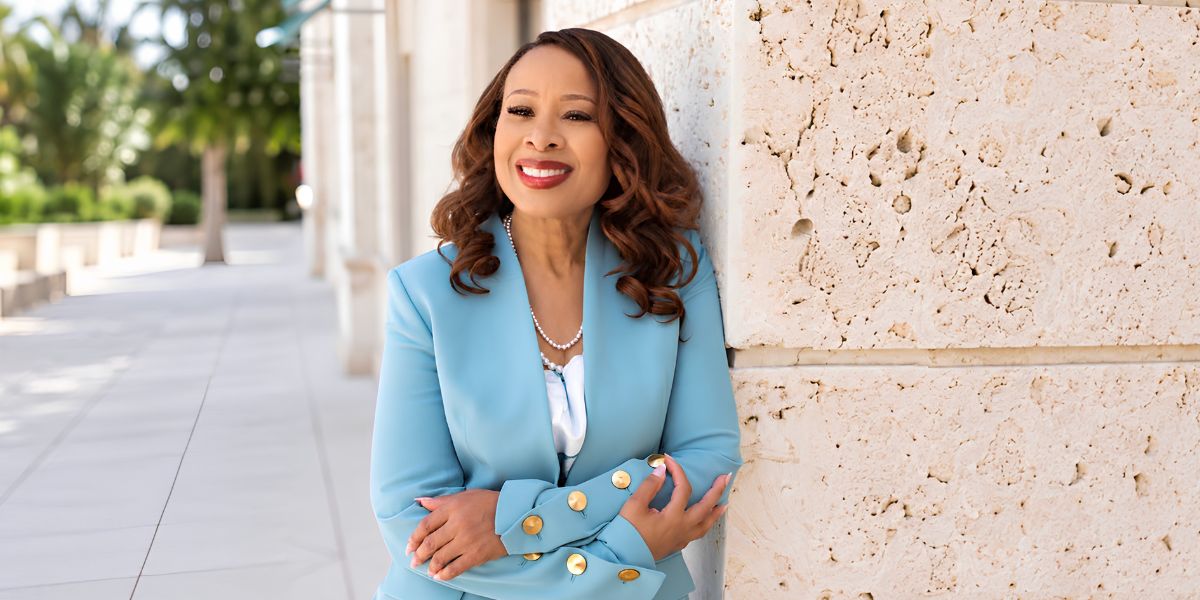
Wendy Ida’s career in the gym is a testament to that space, not outside the rule, but as evidence that athleticism and discipline remain attainable even as time passes. Her fitness success spans generations, encompassing formal awards, certifications, and world records. She was recognized by Guinness World Records in 2012 for completing 37 burpees in one minute, a feat that required explosive power and cardiovascular stamina. Burpees demand coordination and stamina that typically decline with advancing age, but Ida achieved it in her 60s. The same organization later rewarded her with yet another title, one that recognized her as the most senior working fitness teacher to instruct in more than one discipline — further evidence that she remains active in the fitness field through multiple modalities.
Among Ida’s credentials are certifications in personal training, nutrition, TRX, core stabilization, and Zumba, among many others. Her model for health is not solely based on a single path, but instead includes strength training, body mechanics, and movement-based art. In recent years, she has begun to incorporate Tai Chi and Qigong into her practice. Although Tai Chi is generally regarded as a slow, meditative style of movement, its underlying philosophy and structure are quite technical. Ida not only instructs the form; she is also an active student of it, practicing several times daily on her way to greater levels of proficiency. She complements this practice with Qigong, a closely related art form based on breath and body energy. Both practices are derived from ancient Chinese medicine and are believed to enhance balance, flexibility, and mental clarity.
Tai Chi is typically categorized into three layers of sophistication: form, internal energy flow, and martial application. Mastery here is generally measured in terms of decades of practice and layered comprehension. In the case of Ida, her involvement with the art has evolved, transcending superficial understanding. She practices three to four times a day, balancing her teaching with her constant learning. This ongoing dedication places her not just as a practitioner but as someone committed to the long-term development process. The dual identity of teacher and student is not unusual in traditional Eastern martial arts, and Ida’s involvement illustrates that path.
In addition to her foray into internal martial arts, Ida is a titleholder in bodybuilding. In her very first competition at age 56 (just two weeks before turning 57), she won three prestigious trophies: first place in the 45 and over division, second place in the 35 and over division, and second place in the 18 and over age category. She has since been an eight-time national figure competitor and winner, a division that emphasizes muscle symmetry, tone, and overall appearance. This sort of competition requires intense training cycles, careful nutrition, and strict discipline. Passing not only in physique but also in attitude, confidence, and accuracy of presentation demands a high degree of conditioning that must be maintained year after year. That is an indication of physical consistency and mental commitment.
Her training schedule revolves around physical maintenance and development. On average, bodybuilders with professional training at her level perform resistance exercises, cardio, and mobility training daily. Ida’s current routine includes swimming — which she learned at age 70 and now practices by swimming 25 laps three times a week — as well as walking, hiking, strength training, Tai Chi, and Qigong. Research indicates that combining high-intensity movement with meditative practices, such as Tai Chi and Qigong, can amplify both physical and mental benefits, including reduced cortisol levels and improved proprioception. That equilibrium appears to be an intentional part of Ida’s long-term exercise routine.
Ida’s transition into the fitness universe did not come easily. Her formative years were filled with diverse experiences, such as a formal etiquette class at a charm and modeling school operated by her aunt. She did not make the change toward health and wellness until later in her life. Her movement into this arena was motivated, in part, by a desire for personal redemption and regeneration, with each step marking a new level of commitment. Her entry into fitness instruction and competition bodybuilding came after a move to California in 1984, an experience which she has related as a turning point in her life.
Ida’s fitness is both her professional and personal forum. Industry-standard organizations have validated her, and she has appeared on television media as both a guest specialist and presenter. The Guinness awards, years apart, represent sustained performance rather than a flash in the pan. Her subsequent additions of Tai Chi and Qigong indicate a focus on longevity and internal strength, as opposed to external performance.
These all add up to a story of change and consistency that is not dependent on any one physical feat. Instead, it is born of the extended intermingling of a variety of disciplines, each successive chapter in her career path a redirection of approach, intent, and fervor. The professional credentials, competitive record, and daily training regimen of Ida highlight broader themes in sports science, including adaptation, aging, and performance throughout the life cycle.
Her journey is perhaps one of a kind in terms of its progression, but its premise — the potential for redefinition at any age — only grows more popular across disciplines of health, wellness, and sports education. Only 28% of adults aged 65 and older meet the aerobic and muscle-strengthening activity guidelines set by the CDC. Ida’s trajectory is a single data point against that trend, not to emphasize the contrast, but to show what continued engagement in physical health can look like when supported by habit, education, and intention.
Beyond her fitness career, Wendy Ida is also a published author. Her 2013 book Take Back Your Life! My No-Nonsense Approach to Health, Fitness, and Looking Good Naked combines personal narrative with wellness guidance and is accompanied by an Action Guide. She has also contributed to or authored titles such as Fit, Fierce, and Fabulous at 40, 50, 60 and Beyond (2015), The Wendy Ida Energy Plan (2018), Stronger Every Day (2021), and Unbreak Me: Push Beyond Fear, Gain Resilience, and Reclaim Your Strength. These works further expand her message of resilience, healthy aging, and self-empowerment beyond physical fitness.
In addition to her solo works, Ida contributed to the anthology Habits of Success: What Top Entrepreneurs Routinely Do in Business and in Life, joining a diverse group of leaders in sharing practical strategies for achieving lasting success. Her chapter reiterates many of the principles she lives by—discipline, perseverance, and mindset shifts—underscoring that transformation is possible at any stage of life.
Wendy Ida’s career is a work in progress. Official certification in competitive fitness, teaching credentials in multiple formats, and continued research into ancient movement systems are all part of a professional path that is as much concerned with longevity as it is with flexibility. Each step, whether onto a bodybuilding stage or through a session of Tai Chi, contributes to a body of work — one that improves over time, with not despite it.