Miami is a city of distinct pockets, but few areas carry the historical weight and sensory energy of Little Havana. This neighborhood serves as the symbolic and cultural heart of the Cuban-American community. Walking down its main artery, Southwest Eighth Street, known to locals as Calle Ocho, provides a window into a story of exile, resilience, and the preservation of heritage.
The Story of a Community in Exile
The identity of Little Havana took shape following the 1959 Cuban Revolution. As waves of exiles arrived in Florida seeking safety and new opportunities, they settled in the Riverside and Shenandoah areas. What was once a quiet residential district quickly transformed into a bustling enclave where Spanish became the primary language and Cuban traditions took root.
This history is visible throughout the neighborhood. At the Bay of Pigs Monument on Southwest 13th Avenue, an eternal flame burns in memory of those who participated in the 1961 invasion. For many residents, the neighborhood is not just a place to live, but a “community in exile.” This perspective influences everything from local politics discussed over coffee to the murals that depict scenes of Cuban history and hopes for the future.
The Social Hub of Calle Ocho
Calle Ocho is where the daily life of the neighborhood unfolds. The street is lined with open-air markets, art galleries, and restaurants. One of the most famous spots is Maximo Gomez Park, popularly known as Domino Park. Here, retirees gather daily at covered tables to play dominoes. The games are competitive and governed by strict social rules, often accompanied by the scent of cigars and the sound of fast-paced Spanish commentary. While the tables are reserved for members, visitors often stand by the perimeter to watch the matches.
Nearby, the Calle Ocho Walk of Fame honors Latin celebrities who have made significant impacts on the arts. Pink marble stars embedded in the sidewalk feature names like Celia Cruz and Gloria Estefan. Standing near these stars, you can often hear music spilling out from storefronts, ranging from traditional son cubano to modern salsa.
A Journey Through Cuban Flavors
Food serves as a primary way for the community to maintain its connection to the island. To understand the neighborhood, you have to experience the ventanita culture. These are walk-up windows attached to restaurants where locals stand to drink a cafecito (a strong, sweet espresso) and exchange news.
-
Versailles Restaurant: Often called the most famous Cuban restaurant in the world, Versailles has served as a political and social gathering spot since 1971. Its ornate mirrors and chandeliers provide a backdrop for traditional dishes like ropa vieja (shredded beef) and moros y cristianos (black beans and rice).
-
Sanguich de Miami: This modern spot focuses on the craft of the Cuban sandwich. They press their bread with lard and prepare their own ham and pickles, resulting in a version of the classic sandwich that draws consistent crowds.
-
Los Pinareños Fruteria: For a taste of the Cuban countryside, this open-air fruit market offers fresh-pressed sugarcane juice, known as guarapo. The market is filled with tropical fruits like mamey and papaya, offering a rustic contrast to the urban surroundings.
-
Azucar Ice Cream Company: This artisanal shop creates flavors inspired by South Florida and the Caribbean. Their trademark flavor, Abuela Maria, mixes vanilla ice cream with guava, cream cheese, and Maria cookies.
Art and Artistry
The neighborhood is a hub for visual arts. The Futurama 1637 Art Building houses several creative studios where you can watch artists at work. The walls of Little Havana act as a gallery themselves, with massive murals covering many buildings. These artworks often feature tropical motifs, roosters—which are a symbol of the neighborhood—and portraits of iconic Cuban figures.
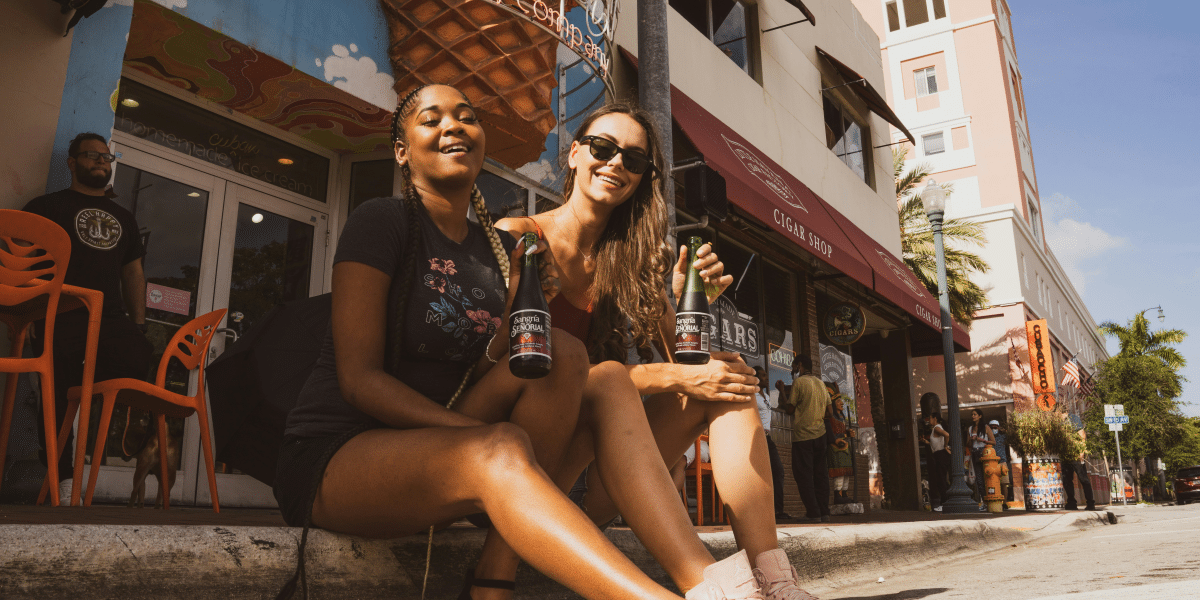
Cigar rolling is another art form preserved here. Along Calle Ocho, shops like El Titan de Bronze employ rollers who have practiced their craft for decades. Visitors can watch the methodical process of selecting leaves and hand-rolling cigars using techniques passed down through generations.
The Rhythm of the Night
As the sun sets, the energy of the neighborhood shifts toward its bars and lounges. Ball & Chain is a historic venue that dates back to the 1930s. It features a stage shaped like a giant pineapple and hosts live jazz and salsa bands. The wood-beamed ceilings and vintage posters provide a glimpse into the Miami of the mid-20th century.
Another cultural anchor is the Cubaocho Museum & Performing Arts Center. This space functions as a bar, a gallery, and a research center. It houses a significant collection of Cuban art from the 1800s to the mid-1900s, allowing you to sip a mojito while surrounded by museum-quality paintings.
Annual Traditions and Events
If your visit aligns with local festivals, you will see the neighborhood at its most energetic.
| Event | Timing | Description |
| Calle Ocho Music Festival | March | One of the largest Hispanic festivals in the country, featuring stages of live music and food vendors. |
| Viernes Culturales | Last Friday of each month | A “Cultural Friday” gallery walk with outdoor stages, art exhibits, and dancing in the streets. |
| Miami Art Week Events | December | While centered in other districts, Little Havana hosts satellite shows and mural reveals during this international art week. |
Practical Tips for Visitors
Little Havana is located just west of Downtown Miami. While it is a residential neighborhood, the primary tourist activities are concentrated on Calle Ocho between 12th and 17th Avenues.
-
Parking: Street parking is available but can be difficult to find during weekends. There are public lots located a block or two off the main street.
-
Walking: The best way to see the area is on foot. Wear comfortable shoes as you will be traversing several blocks of shops and galleries.
-
Language: While English is widely spoken, knowing a few basic Spanish phrases is appreciated and can help when ordering at a ventanita.
While Little Havana remains deeply rooted in its Cuban origins, it is also evolving. Today, you will find influences from Central and South American immigrants, adding new layers to the culinary and social scene. Modern galleries and high-end cocktail bars now sit alongside decades-old cafeterias. This blend of the old and the new ensures that the neighborhood remains a living, breathing part of Miami rather than a static historical site.
Exploring Little Havana allows you to move beyond the beaches and high-rises to find a place where history is kept alive through food, music, and conversation. It is a neighborhood defined by the pride of its people and the enduring strength of their cultural identity.